A Culture of Peaceful Coexistence — Ekmeleddin İhsanoğlu
A Culture of Peaceful Coexistence
Ekmeleddin İhsanoğluIRCICA
A Culture of Peaceful Coexistence
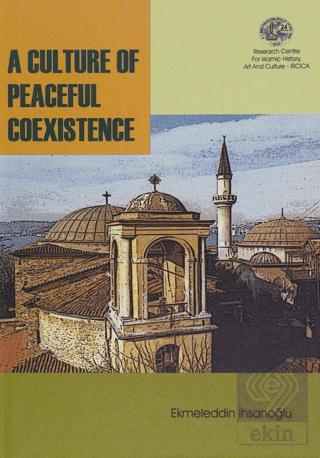
Ekmeleddin İhsanoğluThis treatise is a revised and expanded version of a lecture presented at the East West Forum organized by the US based East West Institute s Eurasia Strategy Group and IRCICA and held on 19 October 2002 at IRCICA Istanbul This study focuses on the Islamic culture of peaceful coexistence with particular reference to the history of Islamic civilization and especially the Ottoman world In the introductory chapter the author deals with the conceptual framework and the philosophy behind the religious cultural pluralism in the Islamic tradition The following chapter demonstrates the tolerant attitude of Islam towards Jews and Christians the Ahl al Kitab by quoting the relevant Qur anic verses and pointing out that the members of some other religions such as Zoroastrians Hindus Buddhists etc were considered as protected minorities after the Islamic expansion In this study one also finds a brief discussion of the earliest example of pluralism in Islam i e the Medina Constitution which was promulgated by the Prophet after his emigration from Mecca to Medina in 662 A D The following chapter gives examples of pluralism during the period of the four caliphs as well as citing the views of the major schools of Islamic jurisprudence on this subject The following chapters of the treatise deal with subjects such as the responsibilities of non Muslims the payment of the jizyah kharaj and trade tax as financial obligations a discussion of the millet system and its application in different periods of Ottoman rule through examples the developments that occurred after the declaration of the Imperial Rescript of Tanzimat in 1839 and the rights and responsibilities of non Muslims The last chapter of the work gives three living examples of religious cultural pluralism and peaceful coexistence of various faiths and cultures from Istanbul Here the author firstly dwells on the Darülaceze Complex secondly and thirdly the Kuzguncuk and Ortaköy districts where religious buildings of peoples of different faiths stand next to each other In the epilogue the study underlines the significance of the peaceful coexistence of peoples of different faiths and cultures for today s world where there is a great need for peace This work has a total of 26 colored and black and white illustrations
IRCICA
This treatise is a revised and expanded version of a lecture presented at the East West Forum organized by the US based East West Institute s Eurasia Strategy Group and IRCICA and held on 19 October 2002 at IRCICA Istanbul This study focuses on the Islamic culture of peaceful coexistence with particular reference to the history of Islamic civilization and especially the Ottoman world In the introductory chapter the author deals with the conceptual frameworkandthephilosophybehindthereligious culturalpluralism in theIslamic tradition Thefollowingchapterdemonstrates thetolerant attitudeof Islam towards JewsandChristians the Ahlal Kitab byquotingtherelevant Qur anic versesandpointingout that the membersof someother religions such as Zoroastrians Hindus Buddhists etc were considered as protected minorities after the Islamic expansion In this study one also finds a brief discussion of the earliest example of pluralism in Islam i e the Medina Constitution which was promulgated by the Prophet after his emigration from Mecca to Medina in 662 A D The followingchaptergives examplesofpluralism duringtheperiodof the four caliphs as well as citingthe viewsof the major schoolsof Islamic jurisprudenceon this subject The followingchaptersof the treatisedeal with subjects such as the responsibilities of non Muslims the payment of the jizyah kharaj and trade tax as financial obligations a discussion of the millet system and its application in different periods of Ottoman rule through examples the developments that occurred after the declaration of the Imperial Rescript of Tanzimat in 1839 and the rights and responsibilities of non Muslims The last chapter of the work gives three living examples of religious cultural pluralism and peaceful coexistence of various faiths and cultures from Istanbul Here the author firstly dwells on the Darülaceze Complex secondly and thirdly the Kuzguncuk and Ortaköy districts where religious buildings of peoples of different faiths stand next to each other In the epilogue the study underlines the significance of thepeaceful coexistence ofpeoples ofdifferent faiths andcultures for today s world where there is agreat needforpeace