AI Assisted Language Teaching Theory Practice and Classroom Implementation — Mehmet Ekizoğlu
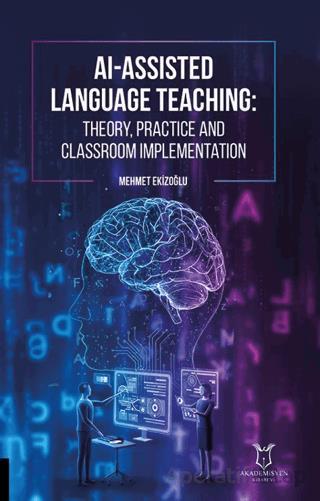
AI Assisted Language Teaching Theory Practice and Classroom Implementation
Mehmet EkizoğluAkademisyen Kitabevi
AI Assisted Language Teaching Theory Practice and Classroom Implementation
Mehmet EkizoğluMehmet Ekizoğlu tarafından kaleme alınan AI Assisted Language Teaching Theory Practice and Classroom Implementation Akademisyen Kitabevi eseri olarak okurlarla buluşuyor AI Assisted Language Teaching Theory Practice and Classroom Implementation Mehmet Ekizoğlu Kitap Özeti CHAPTER 1 FOUNDATIONS OF AI IN ENGLISH LANGUAGE TEACHING ELT 1 1 What is Artificial Intelligence 1 1 1 Definitions and Key Concepts 1 1 2 Types of AI 1 2 AI Technologies in Language Learning 1 2 1 Natural Language Processing NLP 1 2 2 Machine Learning and Adaptive Learning Systems 1 2 3 Speech Recognition and Speech Synthesis 1 2 4 Chatbots and Virtual Assistants in Language Learning 1 3 Theoretical Foundations of AI in Language Learning 1 3 1 SLA Theories and AI 1 3 2 AI and Personalized Learning Pathways CHAPTER 2 PRACTICAL APPLICATIONS OF AI IN ENGLISH LANGUAGE CLASSROOMS 2 1 Personalized Learning Environments 2 2 Automated Assessment and Feedback 2 3 AI Powered Language Practice Tools 2 4 1 Overview of AI Tools for Teachers and Their Classroom Uses 2 5 Classroom Management and Administration 2 4 AI in Content Creation and Lesson Plannin CHAPTER 3 CASE STUDIES AND REAL WORLD EXAMPLES 3 1 Successful Implementations 3 1 1 Case Study 1 AI in a High School English Class 3 1 2 Case Study 2 AI in a University ESL Program 3 2 Lessons Learned 3 2 1 Best Practices for AI Implementation 3 2 2 Common Pitfalls and Challenges 3 2 3 Ethical Considerations in AI Powered Language Learning 3 3 Teacher and Student Perspectives 3 3 1 Educator Perspectives 3 3 2 Student Perspectives 3 3 3 Balancing AI and Traditional Teaching CHAPTER 4 CHALLENGES AND ETHICAL CONSIDERATIONS IN AIASSISTED LANGUAGE LEARNING 4 1 Technical Challenges in AI Integration 4 1 1 System Compatibility and Infrastructure Issues 4 1 2 Reliability and Accuracy of AI Tools 4 2 Ethical Considerations in AI Driven Language Learning 4 2 1 Data Privacy and Security 4 2 2 Bias and Fairness in AI Algorithms 4 3 Access and Equity in AI Assisted Language Learning 4 3 1 The Digital Divide 4 3 2 Inclusive AI for Students with Disabilities 4 4 Teacher Readiness and AI Training 4 4 1 Professional Development for Educators 4 4 2 Overcoming Resistance to AI Adoption 4 5 Future Directions and Policy Considerations 4 5 1 Ethical AI Development 4 5 2 The Role of Policymakers and Institutions REFERENCES Yayınevi Akademisyen Kitabevi Yazar Mehmet Ekizoğlu Sayfa 101 Sayfa Kağıt 1 Hamur Boyut 21 00x21 00 cm Basım Yılı Nisan 2025 Barkod 9786253754150 Kategori Dil Öğrenimi Yapay Zeka
Akademisyen Kitabevi
CHAPTER 1FOUNDATIONS OF AI IN ENGLISH LANGUAGE TEACHING ELT 1 1 What is Artificial Intelligence 1 1 1 Definitions and Key Concepts1 1 2 Types of AI1 2 AI Technologies in Language Learning1 2 1 Natural Language Processing NLP 1 2 2 Machine Learning and Adaptive Learning Systems1 2 3 Speech Recognition and Speech Synthesis1 2 4 Chatbots and Virtual Assistants in Language Learning1 3 Theoretical Foundations of AI in Language Learning1 3 1 SLA Theories and AI1 3 2 AI and Personalized Learning PathwaysCHAPTER 2PRACTICAL APPLICATIONS OF AI IN ENGLISHLANGUAGE CLASSROOMS2 1 Personalized Learning Environments2 2 Automated Assessment and Feedback2 3 AI Powered Language Practice Tools2 4 1 Overview of AI Tools for Teachers and Their Classroom Uses2 5 Classroom Management and Administration2 4 AI in Content Creation and Lesson PlanninCHAPTER 3CASE STUDIES AND REAL WORLD EXAMPLES3 1 Successful Implementations3 1 1 Case Study 1 AI in a High School English Class3 1 2 Case Study 2 AI in a University ESL Program3 2 Lessons Learned3 2 1 Best Practices for AI Implementation3 2 2 Common Pitfalls and Challenges3 2 3 Ethical Considerations in AI Powered Language Learning3 3 Teacher and Student Perspectives3 3 1 Educator Perspectives3 3 2 Student Perspectives3 3 3 Balancing AI and Traditional TeachingCHAPTER 4CHALLENGES AND ETHICAL CONSIDERATIONS IN AIASSISTEDLANGUAGE LEARNING4 1 Technical Challenges in AI Integration4 1 1 System Compatibility and Infrastructure Issues4 1 2 Reliability and Accuracy of AI Tools4 2 Ethical Considerations in AI Driven Language Learning4 2 1 Data Privacy and Security4 2 2 Bias and Fairness in AI Algorithms4 3 Access and Equity in AI Assisted Language Learning4 3 1 The Digital Divide4 3 2 Inclusive AI for Students with Disabilities4 4 Teacher Readiness and AI Training4 4 1 Professional Development for Educators4 4 2 Overcoming Resistance to AI Adoption4 5 Future Directions and Policy Considerations4 5 1 Ethical AI Development4 5 2 The Role of Policymakers and InstitutionsREFERENCES
Akademisyen Kitabevi
CHAPTER 1 FOUNDATIONS OF AI IN ENGLISH LANGUAGE TEACHING ELT 1 1 What is Artificial Intelligence 1 1 1 Definitions and Key Concepts 1 1 2 Types of AI 1 2 AI Technologies in Language Learning 1 2 1 Natural Language Processing NLP 1 2 2 Machine Learning and Adaptive Learning Systems 1 2 3 Speech Recognition and Speech Synthesis 1 2 4 Chatbots and Virtual Assistants in Language Learning 1 3 Theoretical Foundations of AI in Language Learning 1 3 1 SLA Theories and AI 1 3 2 AI and Personalized Learning Pathways CHAPTER 2 PRACTICAL APPLICATIONS OF AI IN ENGLISH LANGUAGE CLASSROOMS 2 1 Personalized Learning Environments 2 2 Automated Assessment and Feedback 2 3 AI Powered Language Practice Tools 2 4 1 Overview of AI Tools for Teachers and Their Classroom Uses 2 5 Classroom Management and Administration 2 4 AI in Content Creation and Lesson Plannin CHAPTER 3 CASE STUDIES AND REAL WORLD EXAMPLES 3 1 Successful Implementations 3 1 1 Case Study 1 AI in a High School English Class 3 1 2 Case Study 2 AI in a University ESL Program 3 2 Lessons Learned 3 2 1 Best Practices for AI Implementation 3 2 2 Common Pitfalls and Challenges 3 2 3 Ethical Considerations in AI Powered Language Learning 3 3 Teacher and Student Perspectives 3 3 1 Educator Perspectives 3 3 2 Student Perspectives 3 3 3 Balancing AI and Traditional Teaching CHAPTER 4 CHALLENGES AND ETHICAL CONSIDERATIONS IN AIASSISTED LANGUAGE LEARNING 4 1 Technical Challenges in AI Integration 4 1 1 System Compatibility and Infrastructure Issues 4 1 2 Reliability and Accuracy of AI Tools 4 2 Ethical Considerations in AI Driven Language Learning 4 2 1 Data Privacy and Security 4 2 2 Bias and Fairness in AI Algorithms 4 3 Access and Equity in AI Assisted Language Learning 4 3 1 The Digital Divide 4 3 2 Inclusive AI for Students with Disabilities 4 4 Teacher Readiness and AI Training 4 4 1 Professional Development for Educators 4 4 2 Overcoming Resistance to AI Adoption 4 5 Future Directions and Policy Considerations 4 5 1 Ethical AI Development 4 5 2 The Role of Policymakers and Institutions REFERENCES
Akademisyen Kitabevi
CHAPTER 1FOUNDATIONS OF AI IN ENGLISH LANGUAGE TEACHING ELT 1 1 What is Artificial Intelligence 1 1 1 Definitions and Key Concepts1 1 2 Types of AI1 2 AI Technologies in Language Learning1 2 1 Natural Language Processing NLP 1 2 2 Machine Learning and Adaptive Learning Systems1 2 3 Speech Recognition and Speech Synthesis1 2 4 Chatbots and Virtual Assistants in Language Learning1 3 Theoretical Foundations of AI in Language Learning1 3 1 SLA Theories and AI1 3 2 AI and Personalized Learning PathwaysCHAPTER 2PRACTICAL APPLICATIONS OF AI IN ENGLISHLANGUAGE CLASSROOMS2 1 Personalized Learning Environments2 2 Automated Assessment and Feedback2 3 AI Powered Language Practice Tools2 4 1 Overview of AI Tools for Teachers and Their Classroom Uses2 5 Classroom Management and Administration2 4 AI in Content Creation and Lesson PlanninCHAPTER 3CASE STUDIES AND REAL WORLD EXAMPLES3 1 Successful Implementations3 1 1 Case Study 1 AI in a High School English Class3 1 2 Case Study 2 AI in a University ESL Program3 2 Lessons Learned3 2 1 Best Practices for AI Implementation3 2 2 Common Pitfalls and Challenges3 2 3 Ethical Considerations in AI Powered Language Learning3 3 Teacher and Student Perspectives3 3 1 Educator Perspectives3 3 2 Student Perspectives3 3 3 Balancing AI and Traditional TeachingCHAPTER 4CHALLENGES AND ETHICAL CONSIDERATIONS IN AIASSISTEDLANGUAGE LEARNING4 1 Technical Challenges in AI Integration4 1 1 System Compatibility and Infrastructure Issues4 1 2 Reliability and Accuracy of AI Tools4 2 Ethical Considerations in AI Driven Language Learning4 2 1 Data Privacy and Security4 2 2 Bias and Fairness in AI Algorithms4 3 Access and Equity in AI Assisted Language Learning4 3 1 The Digital Divide4 3 2 Inclusive AI for Students with Disabilities4 4 Teacher Readiness and AI Training4 4 1 Professional Development for Educators4 4 2 Overcoming Resistance to AI Adoption4 5 Future Directions and Policy Considerations4 5 1 Ethical AI Development4 5 2 The Role of Policymakers