Animals and People in the Ottoman Empire — Suraiya Faroqhi
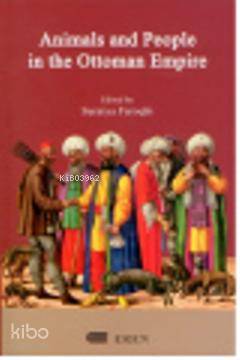
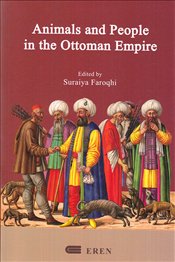
Animals and People in the Ottoman Empire
Suraiya FaroqhiEren Yayıncılık ve Kitapçılık
Animals and People in the Ottoman Empire
Suraiya FaroqhiSimilarly to members of other pre industrial and industrial societies the subjects of the Ottoman sultans depended on the animals they raised and whether they liked it or not certain non domestic animals sharing their home environments had a profound impact on their lives as well Numerous topics await discussion quite apart from milk yoghurt and cheese honey was in great demand as it was one of the principal sweeteners in a world where sweet foods were popular yet cane sugar was scarce and expensive Bee keeping was therefore a common activity in Anatolian Balkan and Syrian villages For clothing and the outfitting of dwellings animals also were indispensable the wool from local sheep served to make cloaks and vests of different qualities to say nothing of the kelims and carpets that made the reputation of towns like Uşak or Gördes in western Anatolia Animals were also the principal source of motor energy in many places horses drove the mills where the inhabitants ground their flour Most importantly animals were indispensable to peasants as oxen drew the plough Throughout Anatolia moreover ox drawn carts were common and in eighteenth and nineteenth century Istanbul women often went to the picnic grounds surrounding the city in such conveyances gaily decorated for the occasion In a less peaceful vein before the late 1700s most gunpowder was also a product of horse driven mills Well to do travellers but also the Ottoman court and army made extensive use of horses The sultans rapid conquest of south eastern and a sizeable chunk of central Europe would have been impossible without the famous cavalry of sipahis Fine horses were a source of prestige and expensive to celebrate these prized possessions their owners often spent a great deal of money on saddles saddlecloth and bridles Ottoman dignitaries also typically went hunting on horseback and in this case they made extensive use of different birds of prey some taken as nestlings and others captured when fully grown While much of our documentation concerns the royal hunt provincial dignitaries and doubtless a number of peasants too participated in this kind of chase whenever they got the chance Yet in spite of the enormous impact of the animal world on human life with respect to Ottoman territories the number of scholars dealing with the topic remains quite limited Thus our volume which will focus on the relationship between people and animals is part of a pioneering effort and other work on this fascinating topic will certainly follow
Eren
Similarly to members of other pre industrial and industrial societies the subjects of the Ottoman sultans depended on the animals they raised and whether they liked it or not certain non domestic animals sharing their home environments had a profound impact on their lives as well Numerous topics await discussion quite apart from milk yoghurt and cheese honey was in great demand as it was one of the principal sweeteners in a world where sweet foods were popular yet cane sugar was scarce and expensive Bee keeping was therefore a common activity in Anatolian Balkan and Syrian villages For clothing and the outfitting of dwellings animals also were indispensable the wool from local sheep served to make cloaks and vests of different qualities to say nothing of the kelims and carpets that made the reputation of towns like Uşak or Gördes in western Anatolia Animals were also the principal source of motor energy in many places horses drove the mills where the inhabitants ground their flour Most importantly animals were indispensable to peasants as oxen drew the plough Throughout Anatolia moreover ox drawn carts were common and in eighteenth and nineteenth century Istanbul women often went to the picnic grounds surrounding the city in such conveyances gaily decorated for the occasion In a less peaceful vein before the late 1700s most gunpowder was also a product of horse driven mills Well to do travellers but also the Ottoman court and army made extensive use of horses The sultans rapid conquest of south eastern and a sizeable chunk of central Europe would have been impossible without the famous cavalry of sipahis Fine horses were a source of prestige and expensive to celebrate these prized possessions their owners often spent a great deal of money on saddles saddlecloth and bridles