Architectural Survey at the Necropolis of Larisa Buruncuk Mimarlık Tarihi Araştırmaları 2 — Kolektif
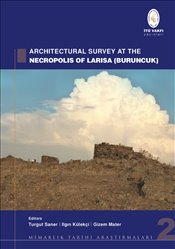
Architectural Survey at the Necropolis of Larisa Buruncuk Mimarlık Tarihi Araştırmaları 2
Kolektif
İTÜ Vakfı
Architectural Survey at the Necropolis of Larisa Buruncuk Mimarlık Tarihi Araştırmaları 2
Kolektif
İTÜ Vakfı Mimarlık Tarihi Araştırmaları nın ikinci sayısında antik Ege nin önemli yerleşmelerinden Larisa nın Buruncuk nekropolü ön planda ele alınıyor ve mezar birimlerinin mimari belgelemesi sunuluyor Bu ana konuya Larisa nın 1900 yılında çizilen ilk haritasına eğilen bir yazı ve ana hatlarıyla şehrin tanıtımı eşlik ediyor Larisa nekropolü çevresi duvarla sarılı çok sayıda mezar tepeciğinden oluşmaktadır Alanın en güney ucuna da heybetli Büyük Tümülüs yerleştirilmiştir Nekropolün tarihi şehrin gelişmesiyle paralel olarak esasta MÖ 6 4 yüzyıllar arasına yerleşebilir Detaylı tarihleme tartışmaları mezarların toplumsal rolü üzerine değerlendirmeler ve 20 yüzyıl kazı buluntularının tekrar ele alınması ise ancak arazideki çalışmaların tamamlanmasından sonra zamanla gerçekleşebilecektir Bu sayıdaki yazılar çizimler ve fotoğraflar Larisa çalışmalarının bir İTÜ projesi olarak ilerleyişini tescil etme ve şehrin bölge araştırmaları için büyük önem taşıyan nekropolünü bir an önce tanıtma amacına yöneliktir In the second issue of ITU Foundation Architectural History Research the necropolis of ancient Larisa Buruncuk an important Aegean site is displayed along with the architectural documentation of its grave units This main topic is complemented by a text on the first map of Larisa from 1900 and a general description of the site The necropolis of Larisa predominantly consists of small grave mounds with a ring wall The southernmost edge of the entire terrain is crowned by the Great Tumulus which is of colossal size The formation of the necropolis must have occurred essentially between the 6th and 4th centuries BCE However discussions of dating considerations on the social aspect of the graves and the re evaluation of 20th century burial finds will be accomplished over time only after the termination of fieldwork The texts drawings and photographs in this issue serve the intention of registering the Larisa survey as an ITU Project and presenting immediately the city s necropolis that is of great importance for the studies on the region
İstanbul Teknik Üniversitesi Vakfı Yayınları / İTÜ Vakfı
In the second issue of ITU Foundation Architectural History Research the necropolis of ancient Larisa Buruncuk an important Aegean site is displayed along with the architectural documentation of its grave units This main topic is complemented by a text on the first map of Larisa from 1900 and a general description of the site The necropolis of Larisa predominantly consists of small grave mounds with a ring wall The southernmost edge of the entire terrain is crowned by the Great Tumulus which is of colossal size The formation of the necropolis must have occurred essentially between the 6th and 4th centuries BCE However discussions of dating considerations on the social aspect of the graves and the re evaluation of 20th century burial finds will be accomplished over time only after the termination of fieldwork The texts drawings and photographs in this issue serve the intention of registering the Larisa survey as an ITU Project and presenting immediately the city s necropolis that is of great importance for the studies on the region İTÜ Vakfı Mimarlık Tarihi Araştırmaları nın ikinci sayısında antik Ege nin önemli yerleşmelerinden Larisa nın Buruncuk nekropolü ön planda ele alınıyor ve mezar birimlerinin mimari belgelemesi sunuluyor Bu ana konuya Larisa nın 1900 yılında çizilen ilk haritasına eğilen bir yazı ve ana hatlarıyla şehrin tanıtımı eşlik ediyor Larisa nekropolü çevresi duvarla sarılı çok sayıda mezar tepeciğinden oluşmaktadır Alanın en güney ucuna da heybetli Büyük Tümülüs yerleştirilmiştir Nekropolün tarihi şehrin gelişmesiyle paralel olarak esasta MÖ 6 4 yüzyıllar arasına yerleşebilir Detaylı tarihleme tartışmaları mezarların toplumsal rolü üzerine değerlendirmeler ve 20 yüzyıl kazı buluntularının tekrar ele alınması ise ancak arazideki çalışmaların tamamlanmasından sonra zamanla gerçekleşebilecektir Bu sayıdaki yazılar çizimler ve fotoğraflar Larisa çalışmalarının bir İTÜ projesi olarak ilerleyişini tescil etme ve şehrin bölge araştırmaları için büyük önem taşıyan nekropolünü bir an önce tanıtma amacına yöneliktir