Artificial Intelligence Arms Dynamics — Gloria Shkurti Özdemir
Artificial Intelligence Arms Dynamics
Gloria Shkurti ÖzdemirSeta Yayınları
Artificial Intelligence Arms Dynamics
Gloria Shkurti ÖzdemirArtificial Intelligence AI has undergone rapid evolu establish its leadership in AI technology by 2030 chal tion not only by penetrating every aspect of our life but also lenging U S dominance and reshaping the global secu by transitioning from theoretical concepts to foundational rity landscape components of modern military strategy This book focuses The analysis reveals that rather than an AI arms race into the heart of this evolution focusing on the escalating where the possibility for warfare should be high the rivalry AI arms rivalry between the U S and China Drawing upon between U S China is more an AI arms competition with Barry Buzan s theoretical frameworks this book aims to ana both states not willing to start a direct war with each other lyze if there is an AI arms race between the U S and China as at least for the short term Furthermore the study finds out a part of the ongoing great power competition that the AI arms competition between both states is driven Findings from the study indicate that both countries by both external threats and internal motivations how perceive AI as a pivotal element of future warfare and ever the technological imperative which is considered as national security leading to significant investments in an independent variable is the main driving force behind research and development The U S with its historically this rivalry In conclusion the research suggests that the AI dominant military technological edge seeks to maintain arms competition between the U S and China is a defining its superiority through innovation and strategic partner feature of contemporary international security dynamics ships Conversely China s ambitious AI strategy aims to with profound implications for global stability
Seta Yayınları
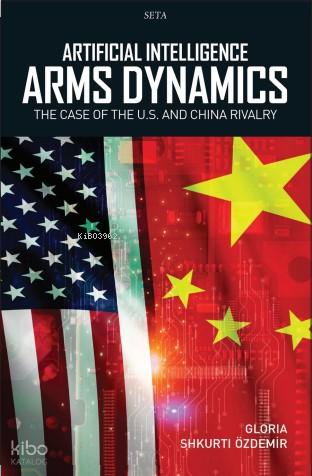
Artificial Intelligence AI has undergone rapid evolution not only by penetrating every aspect of our life but also by transitioning from theoretical concepts to foundational components of modern military strategy This book focuses into the heart of this evolution focusing on the escalating AI arms rivalry between the U S and China Drawing upon Barry Buzan s theoretical frameworks this book aims to analyze if there is an AI arms race between the U S and China as a part of the ongoing great power competition Findings from the study indicate that both countries perceive AI as a pivotal element of future warfare and national security leading to significant investments in research and development The U S with its historically dominant military technological edge seeks to maintain its superiority through innovation and strategic partnerships Conversely China s ambitious AI strategy aims to establish its leadership in AI technology by 2030 challenging U S dominance and reshaping the global security landscape The analysis reveals that rather than an AI arms race where the possibility for warfare should be high the rivalry between U S China is more an AI arms competition with both states not willing to start a direct war with each other at least for the short term Furthermore the study finds out that the AI arms competition between both states is driven by both external threats and internal motivations however the technological imperative which is considered as an independent variable is the main driving force behind this rivalry In conclusion the research suggests that the AI arms competition between the U S and China is a defining feature of contemporary international security dynamics with profound implications for global stability
Seta Yayınları
Gloria Shkurti Özdemir tarafından kaleme alınan Artificial Intelligence Arms Dynamics Seta Yayınları eseri olarak okurlarla buluşuyor Artificial Intelligence Arms Dynamics Gloria Shkurti Özdemir Kitap Özeti Artificial Intelligence AI has undergone rapid evolution not only by penetrating every aspect of our life but also by transitioning from theoretical concepts to foundational components of modern military strategy This book focuses into the heart of this evolution focusing on the escalating AI arms rivalry between the U S and China Drawing upon Barry Buzan s theoretical frameworks this book aims to analyze if there is an AI arms race between the U S and China as a part of the ongoing great power competition Findings from the study indicate that both countries perceive AI as a pivotal element of future warfare and national security leading to significant investments in research and development The U S with its historically dominant military technological edge seeks to maintain its superiority through innovation and strategic partnerships Conversely China s ambitious AI strategy aims to establish its leadership in AI technology by 2030 challenging U S dominance and reshaping the global security landscape The analysis reveals that rather than an AI arms race where the possibility for warfare should be high the rivalry between U S China is more an AI arms competition with both states not willing to start a direct war with each other at least for the short term Furthermore the study finds out that the AI arms competition between both states is driven by both external threats and internal motivations however the technological imperative which is considered as an independent variable is the main driving force behind this rivalry In conclusion the research suggests that the AI arms competition between the U S and China is a defining feature of contemporary international security dynamics with profound implications for global stability Yayınevi Seta Yayınları Yazar Gloria Shkurti Özdemir Sayfa 472 Sayfa Kağıt 2 Hamur Boyut 15 00x23 00 cm Basım Yılı Temmuz 2024 Barkod 9786256583597 Kategori Yapay Zeka
Seta Yayınları
Artificial Intelligence AI has undergone rapid evolution not only by penetrating every aspect of our life but also by transitioning from theoretical concepts to foundational components of modern military strategy This book focuses into the heart of this evolution focusing on the escalating AI arms rivalry between the U S and China Drawing upon Barry Buzan s theoretical frameworks this book aims to analyze if there is an AI arms race between the U S and China as a part of the ongoing great power competition Findings from the study indicate that both countries perceive AI as a pivotal element of future warfare and national security leading to significant investments in research and development The U S with its historically dominant military technological edge seeks to maintain its superiority through innovation and strategic partnerships Conversely China s ambitious AI strategy aims to establish its leadership in AI technology by 2030 challenging U S dominance and reshaping the global security landscape The analysis reveals that rather than an AI arms race where the possibility for warfare should be high the rivalrybetween U S China is more an AI arms competition with both states not willing to start a direct war with each other at least for the short term Furthermore the study finds out that the AI arms competition between both states is driven by both external threats and internal motivations however the technological imperative which is considered as an independent variable is the main driving force behind this rivalry In conclusion the research suggests that the AI arms competition between the U S and China is a defining feature of contemporary international security dynamics with profound implications for global stability
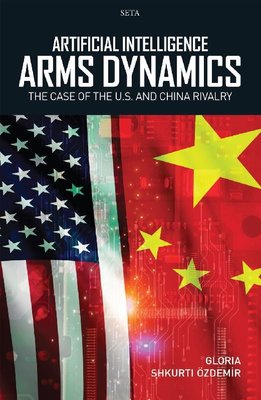
Seta Yayınları
Artificial Intelligence AI has undergone rapid evolution not only by penetrating every aspect of our life but also by transitioning from theoretical concepts to foundational components of modern military strategy This book focuses into the heart of this evolution focusing on the escalating AI arms rivalry between the U S and China Drawing upon Barry Buzan s theoretical frameworks this book aims to analyze if there is an AI arms race between the U S and China as a part of the ongoing great power competition Findings from the study indicate that both countries perceive AI as a pivotal element of future warfare and national security leading to significant investments in research and development The U S with its historically dominant military technological edge seeks to maintain its superiority through innovation and strategic partnerships Conversely China s ambitious AI strategy aims to establish its leadership in AI technology by 2030 challenging U S dominance and reshaping the global security landscape The analysis reveals that rather than an AI arms race where the possibility for warfare should be high the rivalrybetween U S China is more an AI arms competition with both states not willing to start a direct war with each other at least for the short term Furthermore the study finds out that the AI arms competition between both states is driven by both external threats and internal motivations however the technological imperative which is considered as an independent variable is the main driving force behind this rivalry In conclusion the research suggests that the AI arms competition between the U S and China is a defining feature of contemporary international security dynamics with profound implications for global stability