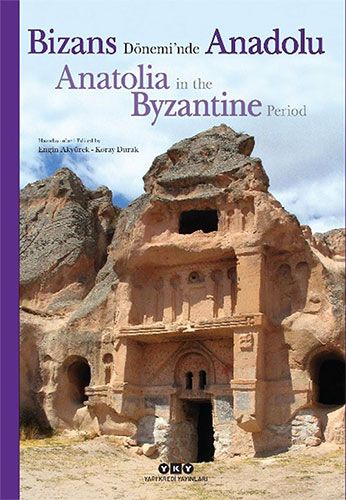
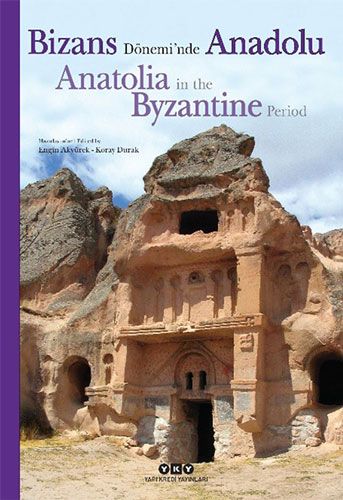
Bizans Dönemi nde Anadolu Anatolia in the Byzantine Period — Kolektif
Bizans Dönemi nde Anadolu Anatolia in the Byzantine Period
Kolektif
Yapı Kredi Yayınları ( YKY )
Bizans Dönemi nde Anadolu Anatolia in the Byzantine Period
Kolektif
İmparator I Theodosius un 395 yılında ölümünden sonra Manş Denizi kıyılarından İran sınırına kadar uzanan geniş Roma toprakları batı ve doğu olarak ikiye ayrılır Her ne kadar imparatorluğun batı parçası 5 yüzyılın ikinci yarısında tarihe karışsa da Roma İmparatorluğu varlığını doğudaki topraklarında 1453 yılına kadar sürdürür Başkenti Roma dan Byzantion kentine yeni adıyla Konstantinopolis e taşınan zaman içerisinde Hıristiyanlaşan bu imparatorluk için Bizans adı ilk kez 16 Yüzyılda Alman hümanist ve filolog Hieronymus Wolf tarafından kullanılmış 19 yüzyıl ve sonrasında bu terim yaygınlaşmıştır Ancak bu kitapta bahsedilen insanlar kendilerini hep Romalı devletlerini de Roma İmparatorluğu olarak adlandırmış komşuları da onları Romalılar olarak bilmiştir Yaklaşık 11 yüzyıl boyunca varlığını sürdüren Bizans İmparatorluğu Anadolu da en uzun süre hüküm süren devletlerden biri olmuştur Ağırlıklı olarak Yunanca konuşulan ve Hıristiyan olan Bizans dünyasının coğrafi beşerî ve ekonomik beşiği Anadolu dur 14 yüzyıl itibarıyla Anadolu nun kaybedilmesi kısa sürede imparatorluğun sonunu getirmiştir 13 yüzyılın ortasında İmparator II Theodoros Laskaris in mektuplarından birinde Anadolu ya Kutsal diyar anam Anadolu diye seslenmesi bu toprakların imparatorluk için ne denli yaşamsal olduğunu göstermektedir Kitabın amacı konusunda uzman yerli ve yabancı Bizantologların yazdığı 32 makale aracılığıyla hem Bizans kültürünün hem daha özelinde Bizans Anadolusu nun bir sunumunu yapmaktır Siyasi bürokratik askeri iktisadi ve dini hayat hakkındaki makaleler devlet aygıtı ve toplumsal yapı üzerine eğilirken edebiyat sağlık sanat ve maddi izler temalı makaleler gündelik hayatla ilgili değerli bilgiler sunmaktadır Kitabın son bölümünde okuyucu Bizans Anadolusu nun farklı bölgelerine odaklanan makaleler üzerinden tarihsel bir yolculuğa davet edilmektedir After the death of Emperor Theodosius I in 395 the vast Roman lands stretching from the shores of the English Channel to the borders of Iran were divided into two realms western and eastern Although the western part of the empire faded away in the second half of the 5th century the Roman Empire continued to exist in its eastern territories until 1453 The name Byzantine was used for the first time by the German humanist and philologist Hieronymus Wolf in the 16th century for this empire whose capital was moved from Rome to the city of Byzantion with its new name Constantinople and became Christian over time This term became widespread in the 19th century and later However the people that this book is about have always called themselves Roman and their state the Roman Empire while their neighbors also knew them as Romans The Byzantine Empire that ruled for about 11 centuries is one of the states whose reign lasted the longest in Anatolia Anatolia was the geographical demographic and economic cradle of this predominantly Greek speaking Christian population and its culture The loss of Anatolia as of the 14th century led to the end of the empire in a short time The cry of Emperor Theodore II Laskaris Holy land my mother Anatolia in one of his letters from the mid 13th century shows how vital these lands were for the empire This book aims to present both Byzantine culture and more specifically Byzantine Anatolia through 32 articles by Turkish and foreign Byzantologists who are experts in their respective fields While the articles on political bureaucratic military economic and religious life focus on the state apparatus and social structure articles on literature health art and material culture remains provide valuable information about daily life In the articles that constitute the last part of the book the reader is invited to a historical journey through different geographical regions of Byzantine Anatolia
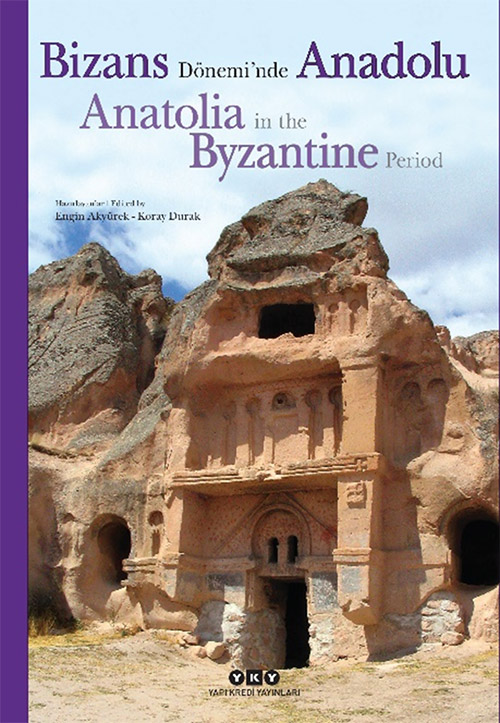
Yapı Kredi Yayınları
çev. Yiğit Adam
İmparator I Theodosius un 395 yılında ölümünden sonra Manş Denizi kıyılarından İran sınırına kadar uzanan geniş Roma toprakları batı ve doğu olarak ikiye ayrılır Her ne kadar imparatorluğun batı parçası 5 yüzyılın ikinci yarısında tarihe karışsa da Roma İmparatorluğu varlığını doğudaki topraklarında 1453 yılına kadar sürdürür Başkenti Roma dan Byzantion kentine yeni adıyla Konstantinopolis e taşınan zaman içerisinde Hıristiyanlaşan bu imparatorluk için Bizans adı ilk kez 16 Yüzyılda Alman hümanist ve filolog Hieronymus Wolf tarafından kullanılmış 19 yüzyıl ve sonrasında bu terim yaygınlaşmıştır Ancak bu kitapta bahsedilen insanlar kendilerini hep Romalı devletlerini de Roma İmparatorluğu olarak adlandırmış komşuları da onları Romalılar olarak bilmiştir Yaklaşık 11 yüzyıl boyunca varlığını sürdüren Bizans İmparatorluğu Anadolu da en uzunsüre hüküm süren devletlerden biri olmuştur Ağırlıklı olarak Yunanca konuşulan ve Hıristiyan olan Bizans dünyasının coğrafi beşerî ve ekonomik beşiği Anadolu dur 14 yüzyıl itibarıyla Anadolu nun kaybedilmesi kısa sürede imparatorluğun sonunu getirmiştir 13 yüzyılın ortasında İmparator II Theodoros Laskaris in mektuplarından birinde Anadolu ya Kutsal diyar anam Anadolu diye seslenmesi bu toprakların imparatorluk için ne denli yaşamsal olduğunu göstermektedir Kitabın amacı konusunda uzman yerli ve yabancı Bizantologların yazdığı 32 makale aracılığıyla hem Bizans kültürünün hem daha özelinde Bizans Anadolusu nun bir sunumunu yapmaktır Siyasi bürokratik askeri iktisadi ve dini hayat hakkındaki makaleler devlet aygıtı ve toplumsal yapı üzerine eğilirken edebiyat sağlık sanat ve maddi izler temalı makaleler gündelik hayatla ilgili değerli bilgiler sunmaktadır Kitabın son bölümünde okuyucu Bizans Anadolusu nun farklı bölgelerine odaklanan makaleler üzerinden tarihsel bir yolculuğa davet edilmektedir After the death of Emperor Theodosius I in 395 the vast Roman lands stretching from the shores of the English Channel to the borders of Iran were divided into two realms western and eastern Although the western part of the empire faded away in the second half of the 5th century the Roman Empire continued to exist in its eastern territories until 1453 The name Byzantine was used for the first time by the German humanist and philologist Hieronymus Wolf in the 16th century for this empire whose capital was moved from Rome to the city of Byzantion with its new name Constantinople and became Christian over time This term became widespread in the 19th century and later However the people that this book is about have always called themselves Roman and their state the Roman Empire while their neighbors also knew them as Romans The Byzantine Empire that ruled for about 11 centuries is one of the states whose reign lasted the longest in Anatolia Anatolia was the geographical demographic and economic cradle of this predominantly Greek speaking Christian population and its culture The loss of Anatolia as of the 14th century led to the end of the empire in a short time The cry of Emperor Theodore II Laskaris Holy land my mother Anatolia in one of his letters from the mid 13th century shows how vital these lands were for the empire This book aims to present both Byzantine culture and more specifically Byzantine Anatolia through 32 articles by Turkish and foreign Byzantologists who are experts in their respective fields While the articles on political bureaucratic military economic and religious life focus on the state apparatus and social structure articles on literature health art and material culture remains provide valuable information about daily life In the articles that constitute the last part of the book the reader is invited to a historical journey through different geographical regions of Byzantine Anatolia
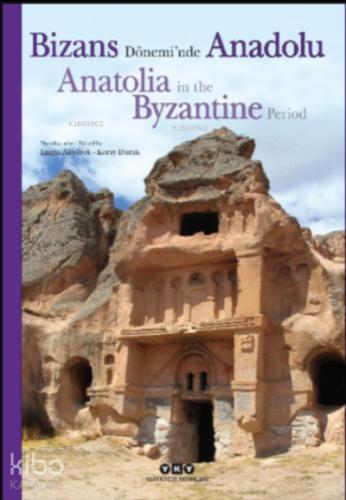
Yapı Kredi Yayınları ( YKY )
İmparator I Theodosius un 395 yılında ölümünden sonra Manş Denizi kıyılarından İran sınırına kadar uzanan geniş Roma toprakları batı ve doğu olarak ikiye ayrılır Her ne kadar imparatorluğun batı parçası 5 yüzyılın ikinci yarısında tarihe karışsa da Roma İmparatorluğu varlığını doğudaki topraklarında 1453 yılına kadar sürdürür Başkenti Roma dan Byzantion kentine yeni adıyla Konstantinopolis e taşınan zaman içerisinde Hıristiyanlaşan bu imparatorluk için Bizans adı ilk kez 16 Yüzyılda Alman hümanist ve filolog Hieronymus Wolf tarafından kullanılmış 19 yüzyıl ve sonrasında bu terim yaygınlaşmıştır Ancak bu kitapta bahsedilen insanlar kendilerini hep Romalı devletlerini de Roma İmparatorluğu olarak adlandırmış komşuları da onları Romalılar olarak bilmiştir Yaklaşık 11 yüzyıl boyunca varlığını sürdüren Bizans İmparatorluğu Anadolu da en uzun süre hüküm süren devletlerden biri olmuştur Ağırlıklı olarak Yunanca konuşulan ve Hıristiyan olan Bizans dünyasının coğrafi beşerî ve ekonomik beşiği Anadolu dur 14 yüzyıl itibarıyla Anadolu nun kaybedilmesi kısa sürede imparatorluğun sonunu getirmiştir 13 yüzyılın ortasında İmparator II Theodoros Laskaris in mektuplarından birinde Anadolu ya Kutsal diyar anam Anadolu diye seslenmesi bu toprakların imparatorluk için ne denli yaşamsal olduğunu göstermektedir Kitabın amacı konusunda uzman yerli ve yabancı Bizantologların yazdığı 32 makale aracılığıyla hem Bizans kültürünün hem daha özelinde Bizans Anadolusu nun bir sunumunu yapmaktır Siyasi bürokratik askeri iktisadi ve dini hayat hakkındaki makaleler devlet aygıtı ve toplumsal yapı üzerine eğilirken edebiyat sağlık sanat ve maddi izler temalı makaleler gündelik hayatla ilgili değerli bilgiler sunmaktadır Kitabın son bölümünde okuyucu Bizans Anadolusu nun farklı bölgelerine odaklanan makaleler üzerinden tarihsel bir yolculuğa davet edilmektedir After the death of Emperor Theodosius I in 395 the vast Roman lands stretching from the shores of the English Channel to the borders of Iran were divided into two realms western and eastern Although the western part of the empire faded away in the second half of the 5th century the Roman Empire continued to exist in its eastern territories until 1453 The name Byzantine was used for the first time by the German humanist and philologist Hieronymus Wolf in the 16th century for this empire whose capital was moved from Rome to the city of Byzantion with its new name Constantinople and became Christian over time This term became widespread in the 19th century and later However the people that this book is about have always called themselves Roman and their state the Roman Empire while their neighbors also knew them as Romans The Byzantine Empire that ruled for about 11 centuries is one of the states whose reign lasted the longest in Anatolia Anatolia was the geographical demographic and economic cradle of this predominantly Greek speaking Christian population and its culture The loss of Anatolia as of the 14th century led to the end of the empire in a short time The cry of Emperor Theodore II Laskaris Holy land my mother Anatolia in one of his letters from the mid 13th century shows how vital these lands were for the empire This book aims to present both Byzantine culture and more specifically Byzantine Anatolia through 32 articles by Turkish and foreign Byzantologists who are experts in their respective fields While the articles on political bureaucratic military economic and religious life focus on the state apparatus and social structure articles on literature health art and material culture remains provide valuable information about daily life In the articles that constitute the last part of the book the reader is invited to a historical journey through different geographical regions of Byzantine Anatolia
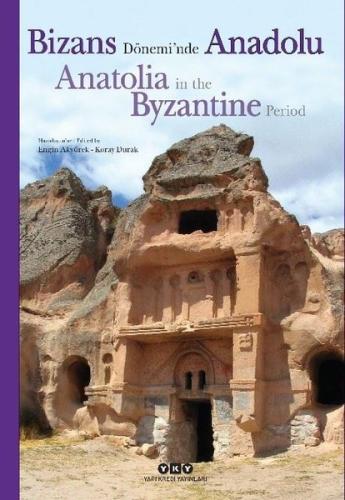
Yapı Kredi Yayınları
İmparator I Theodosius un 395 yılında ölümünden sonra Manş Denizi kıyılarından İran sınırına kadar uzanan geniş Roma toprakları batı ve doğu olarak ikiye ayrılır Her ne kadar imparatorluğun batı parçası 5 yüzyılın ikinci yarısında tarihe karışsa da Roma İmparatorluğu varlığını doğudaki topraklarında 1453 yılına kadar sürdürür Başkenti Roma dan Byzantion kentine yeni adıyla Konstantinopolis e taşınan zaman içerisinde Hıristiyanlaşan bu imparatorluk için Bizans adı ilk kez 16 Yüzyılda Alman hümanist ve filolog Hieronymus Wolf tarafından kullanılmış 19 yüzyıl ve sonrasında bu terim yaygınlaşmıştır Ancak bu kitapta bahsedilen insanlar kendilerini hep Romalı devletlerini de Roma İmparatorluğu olarak adlandırmış komşuları da onları Romalılar olarak bilmiştir Yaklaşık 11 yüzyıl boyunca varlığını sürdüren Bizans İmparatorluğu Anadolu da en uzun süre hüküm süren devletlerden biri olmuştur Ağırlıklı olarak Yunanca konuşulan ve Hıristiyan olan Bizans dünyasının coğrafi beşerî ve ekonomik beşiği Anadolu dur 14 yüzyıl itibarıyla Anadolu nun kaybedilmesi kısa sürede imparatorluğun sonunu getirmiştir 13 yüzyılın ortasında İmparator II Theodoros Laskaris in mektuplarından birinde Anadolu ya Kutsal diyar anam Anadolu diye seslenmesi bu toprakların imparatorluk için ne denli yaşamsal olduğunu göstermektedir Kitabın amacı konusunda uzman yerli ve yabancı Bizantologların yazdığı 32 makale aracılığıyla hem Bizans kültürünün hem daha özelinde Bizans Anadolusu nun bir sunumunu yapmaktır Siyasi bürokratik askeri iktisadi ve dini hayat hakkındaki makaleler devlet aygıtı ve toplumsal yapı üzerine eğilirken edebiyat sağlık sanat ve maddi izler temalı makaleler gündelik hayatla ilgili değerli bilgiler sunmaktadır Kitabın son bölümünde okuyucu Bizans Anadolusu nun farklı bölgelerine odaklanan makaleler üzerinden tarihsel bir yolculuğa davet edilmektedir After the death of Emperor Theodosius I in 395 the vast Roman lands stretching from the shores of the English Channel to the borders of Iran were divided into two realms western and eastern Although the western part of the empire faded away in the second half of the 5th century the Roman Empire continued to exist in its eastern territories until 1453 The name Byzantine was used for the first time by the German humanist and philologist Hieronymus Wolf in the 16th century for this empire whose capital was moved from Rome to the city of Byzantion with its new name Constantinople and became Christian over time This term became widespread in the 19th century and later However the people that this book is about have always called themselves Roman and their state the Roman Empire while their neighbors also knew them as Romans The Byzantine Empire that ruled for about 11 centuries is one of the states whose reign lasted the longest in Anatolia Anatolia was the geographical demographic and economic cradle of this predominantly Greek speaking Christian population and its culture The loss of Anatolia as of the 14th century led to the end of the empire in a short time The cry of Emperor Theodore II Laskaris Holy land my mother Anatolia in one of his letters from the mid 13th century shows how vital these lands were for the empire This book aims to present both Byzantine culture and more specifically Byzantine Anatolia through 32 articles by Turkish and foreign Byzantologists who are experts in their respective fields While the articles on political bureaucratic military economic and religious life focus on the state apparatus and social structure articles on literature health art and material culture remains provide valuable information about daily life In the articles that constitute the last part of the book the reader is invited to a historical journey through different geographical regions of Byzantine Anatolia Tanıtım Bülteninden
Yapı Kredi Yayınları
çev. G. Bike Yazıcıoğlu
Bizans Dönemi nde Anadolu Anatolia in the Byzantine Period İmparator I Theodosius un 395 yılında ölümünden sonra Manş Denizi kıyılarından İran sınırına kadar uzanan geniş Roma toprakları batı ve doğu olarak ikiye ayrılır Her ne kadar imparatorluğun batı parçası 5 yüzyılın ikinci yarısında tarihe karışsa da Roma İmparatorluğu varlığını doğudaki topraklarında 1453 yılına kadar sürdürür Başkenti Roma dan Byzantion kentine yeni adıyla Konstantinopolis e taşınan zaman içerisinde Hıristiyanlaşan bu imparatorluk için Bizans adı ilk kez 16 Yüzyılda Alman hümanist ve filolog Hieronymus Wolf tarafından kullanılmış 19 yüzyıl ve sonrasında bu terim yaygınlaşmıştır Ancak bu kitapta bahsedilen insanlar kendilerini hep Romalı devletlerini de Roma İmparatorluğu olarak adlandırmış komşuları da onları Romalılar olarak bilmiştir Yaklaşık 11 yüzyıl boyunca varlığını sürdüren Bizans İmparatorluğu Anadolu da en uzunsüre hüküm süren devletlerden biri olmuştur Ağırlıklı olarak Yunanca konuşulan ve Hıristiyan olan Bizans dünyasının coğrafi beşerî ve ekonomik beşiği Anadolu dur 14 yüzyıl itibarıyla Anadolu nun kaybedilmesi kısa sürede imparatorluğun sonunu getirmiştir 13 yüzyılın ortasında İmparator II Theodoros Laskaris in mektuplarından birinde Anadolu ya Kutsal diyar anam Anadolu diye seslenmesi bu toprakların imparatorluk için ne denli yaşamsal olduğunu göstermektedir Kitabın amacı konusunda uzman yerli ve yabancı Bizantologların yazdığı 32 makale aracılığıyla hem Bizans kültürünün hem daha özelinde Bizans Anadolusu nun bir sunumunu yapmaktır Siyasi bürokratik askeri iktisadi ve dini hayat hakkındaki makaleler devlet aygıtı ve toplumsal yapı üzerine eğilirken edebiyat sağlık sanat ve maddi izler temalı makaleler gündelik hayatla ilgili değerli bilgiler sunmaktadır Kitabın son bölümünde okuyucu Bizans Anadolusu nun farklı bölgelerine odaklanan makaleler üzerinden tarihsel bir yolculuğa davet edilmektedir After the death of Emperor Theodosius I in 395 the vast Roman lands stretching from the shores of the English Channel to the borders of Iran were divided into two realms western and eastern Although the western part of the empire faded away in the second half of the 5th century the Roman Empire continued to exist in its eastern territories until 1453 The name Byzantine was used for the first time by the German humanist and philologist Hieronymus Wolf in the 16th century for this empire whose capital was moved from Rome to the city of Byzantion with its new name Constantinople and became Christian over time This term became widespread in the 19th century and later However the people that this book is about have always called themselves Roman and their state the Roman Empire while their neighbors also knew them as Romans The Byzantine Empire that ruled for about 11 centuries is one of the states whose reign lasted the longest in Anatolia Anatolia was the geographical demographic and economic cradle of this predominantly Greek speaking Christian population and its culture The loss of Anatolia as of the 14th century led to the end of the empire in a short time The cry of Emperor Theodore II Laskaris Holy land my mother Anatolia in one of his letters from the mid 13th century shows how vital these lands were for the empire This book aims to present both Byzantine culture and more specifically Byzantine Anatolia through 32 articles by Turkish and foreign Byzantologists who are experts in their respective fields While the articles on political bureaucratic military economic and religious life focus on the state apparatus and social structure articles on literature health art and material culture remains provide valuable information about daily life In the articles that constitute the last part of the book the reader is invited to a historical journey through different geographical regions of Byzantine Anatolia
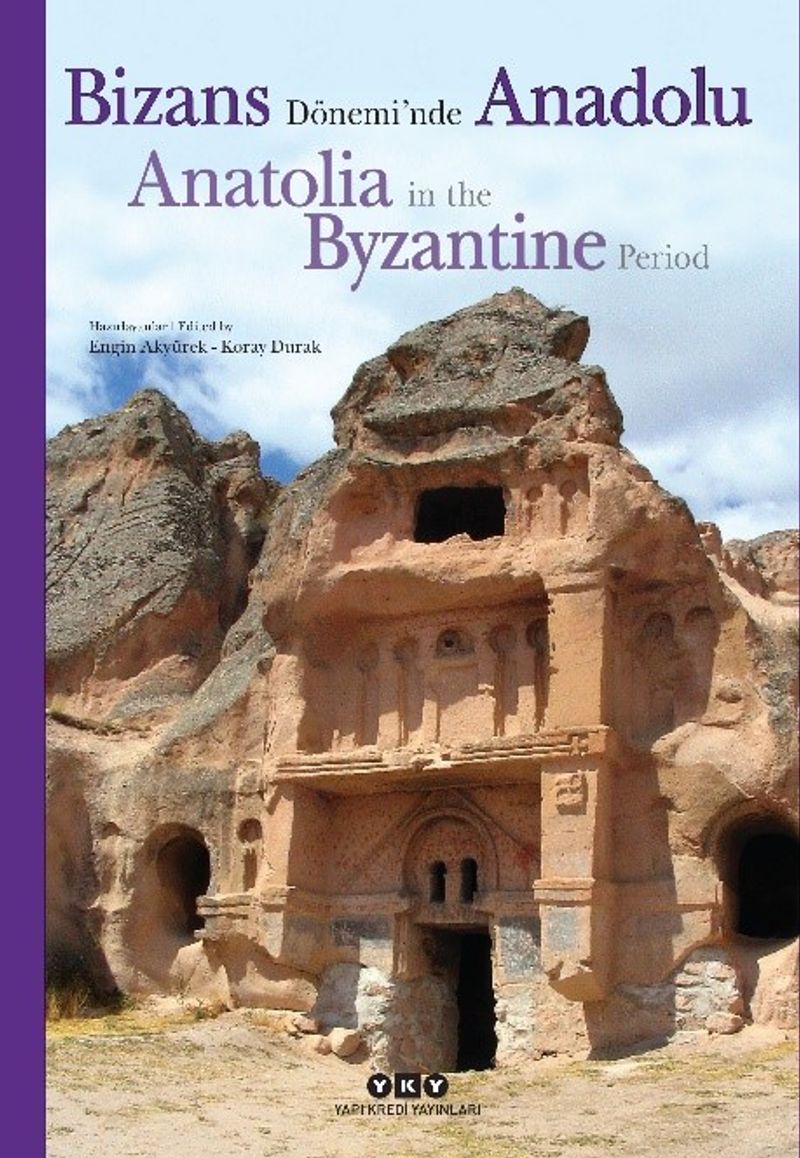
YAPI KREDİ YAYINLARI
çev. Deniz Sever Georgousakis
İmparator I Theodosius un 395 yılında ölümünden sonra Manş Denizi kıyılarından İran sınırına kadar uzanan geniş Roma toprakları batı ve doğu olarak ikiye ayrılır Her ne kadar imparatorluğun batı parçası 5 yüzyılın ikinci yarısında tarihe karışsa da Roma İmparatorluğu varlığını doğudaki topraklarında 1453 yılına kadar sürdürür Başkenti Roma dan Byzantion kentine yeni adıyla Konstantinopolis e taşınan zaman içerisinde Hıristiyanlaşan bu imparatorluk için Bizans adı ilk kez 16 Yüzyılda Alman hümanist ve filolog Hieronymus Wolf tarafından kullanılmış 19 yüzyıl ve sonrasında bu terim yaygınlaşmıştır Ancak bu kitapta bahsedilen insanlar kendilerini hep Romalı devletlerini de Roma İmparatorluğu olarak adlandırmış komşuları da onları Romalılar olarak bilmiştir Yaklaşık 11 yüzyıl boyunca varlığını sürdüren Bizans İmparatorluğu Anadolu da en uzun süre hüküm süren devletlerden biri olmuştur Ağırlıklı olarak Yunanca konuşulan ve Hıristiyan olan Bizans dünyasının coğrafi beşerî ve ekonomik beşiği Anadolu dur 14 yüzyıl itibarıyla Anadolu nun kaybedilmesi kısa sürede imparatorluğun sonunu getirmiştir 13 yüzyılın ortasında İmparator II Theodoros Laskaris in mektuplarından birinde Anadolu ya Kutsal diyar anam Anadolu diye seslenmesi bu toprakların imparatorluk için ne denli yaşamsal olduğunu göstermektedir Kitabın amacı konusunda uzman yerli ve yabancı Bizantologların yazdığı 32 makale aracılığıyla hem Bizans kültürünün hem daha özelinde Bizans Anadolusu nun bir sunumunu yapmaktır Siyasi bürokratik askeri iktisadi ve dini hayat hakkındaki makaleler devlet aygıtı ve toplumsal yapı üzerine eğilirken edebiyat sağlık sanat ve maddi izler temalı makaleler gündelik hayatla ilgili değerli bilgiler sunmaktadır Kitabın son bölümünde okuyucu Bizans Anadolusu nun farklı bölgelerine odaklanan makaleler üzerinden tarihsel bir yolculuğa davet edilmektedir After the death of Emperor Theodosius I in 395 the vast Roman lands stretching from the shores of the English Channel to the borders of Iran were divided into two realms western and eastern Although the western part of the empire faded away in the second half of the 5th century the Roman Empire continued to exist in its eastern territories until 1453 The name Byzantine was used for the first time by the German humanist and philologist Hieronymus Wolf in the 16th century for this empire whose capital was moved from Rome to the city of Byzantion with its new name Constantinople and became Christian over time This term became widespread in the 19th century and later However the people that this book is about have always called themselves Roman and their state the Roman Empire while their neighbors also knew them as Romans The Byzantine Empire that ruled for about 11 centuries is one of the states whose reign lasted the longest in Anatolia Anatolia was the geographical demographic and economic cradle of this predominantly Greek speaking Christian population and its culture The loss of Anatolia as of the 14th century led to the end of the empire in a short time The cry of Emperor Theodore II Laskaris Holy land my mother Anatolia in one of his letters from the mid 13th century shows how vital these lands were for the empire This book aims to present both Byzantine culture and more specifically Byzantine Anatolia through 32 articles by Turkish and foreign Byzantologists who are experts in their respective fields While the articles on political bureaucratic military economic and religious life focus on the state apparatus and social structure articles on literature health art and material culture remains provide valuable information about daily life In the articles that constitute the last part of the book the reader is invited to a historical journey through different geographical regions of Byzantine Anatolia
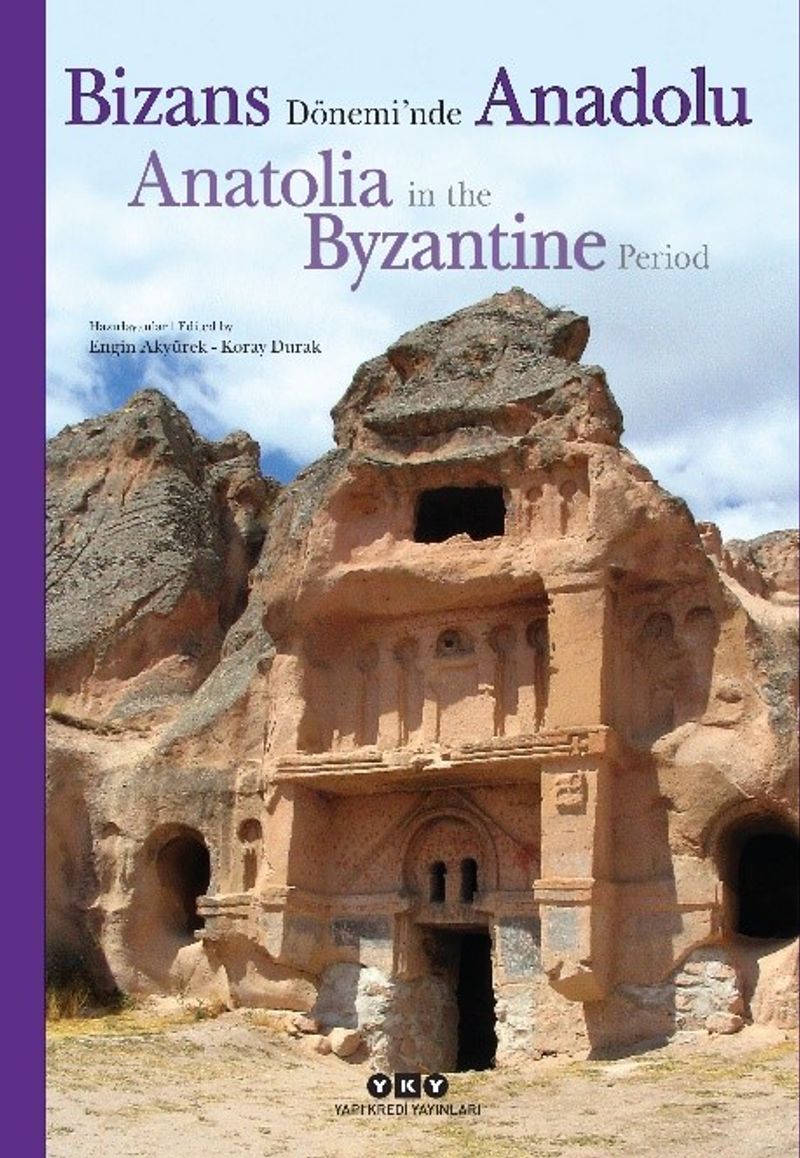
YAPI KREDİ YAYINLARI
çev. Deniz Sever Georgousakis
İmparator I Theodosius un 395 yılında ölümünden sonra Manş Denizi kıyılarından İran sınırına kadar uzanan geniş Roma toprakları batı ve doğu olarak ikiye ayrılır Her ne kadar imparatorluğun batı parçası 5 yüzyılın ikinci yarısında tarihe karışsa da Roma İmparatorluğu varlığını doğudaki topraklarında 1453 yılına kadar sürdürür Başkenti Roma dan Byzantion kentine yeni adıyla Konstantinopolis e taşınan zaman içerisinde Hıristiyanlaşan bu imparatorluk için Bizans adı ilk kez 16 Yüzyılda Alman hümanist ve filolog Hieronymus Wolf tarafından kullanılmış 19 yüzyıl ve sonrasında bu terim yaygınlaşmıştır Ancak bu kitapta bahsedilen insanlar kendilerini hep Romalı devletlerini de Roma İmparatorluğu olarak adlandırmış komşuları da onları Romalılar olarak bilmiştir Yaklaşık 11 yüzyıl boyunca varlığını sürdüren Bizans İmparatorluğu Anadolu da en uzun süre hüküm süren devletlerden biri olmuştur Ağırlıklı olarak Yunanca konuşulan ve Hıristiyan olan Bizans dünyasının coğrafi beşerî ve ekonomik beşiği Anadolu dur 14 yüzyıl itibarıyla Anadolu nun kaybedilmesi kısa sürede imparatorluğun sonunu getirmiştir 13 yüzyılın ortasında İmparator II Theodoros Laskaris in mektuplarından birinde Anadolu ya Kutsal diyar anam Anadolu diye seslenmesi bu toprakların imparatorluk için ne denli yaşamsal olduğunu göstermektedir Kitabın amacı konusunda uzman yerli ve yabancı Bizantologların yazdığı 32 makale aracılığıyla hem Bizans kültürünün hem daha özelinde Bizans Anadolusu nun bir sunumunu yapmaktır Siyasi bürokratik askeri iktisadi ve dini hayat hakkındaki makaleler devlet aygıtı ve toplumsal yapı üzerine eğilirken edebiyat sağlık sanat ve maddi izler temalı makaleler gündelik hayatla ilgili değerli bilgiler sunmaktadır Kitabın son bölümünde okuyucu Bizans Anadolusu nun farklı bölgelerine odaklanan makaleler üzerinden tarihsel bir yolculuğa davet edilmektedir After the death of Emperor Theodosius I in 395 the vast Roman lands stretching from the shores of the English Channel to the borders of Iran were divided into two realms western and eastern Although the western part of the empire faded away in the second half of the 5th century the Roman Empire continued to exist in its eastern territories until 1453 The name Byzantine was used for the first time by the German humanist and philologist Hieronymus Wolf in the 16th century for this empire whose capital was moved from Rome to the city of Byzantion with its new name Constantinople and became Christian over time This term became widespread in the 19th century and later However the people that this book is about have always called themselves Roman and their state the Roman Empire while their neighbors also knew them as Romans The Byzantine Empire that ruled for about 11 centuries is one of the states whose reign lasted the longest in Anatolia Anatolia was the geographical demographic and economic cradle of this predominantly Greek speaking Christian population and its culture The loss of Anatolia as of the 14th century led to the end of the empire in a short time The cry of Emperor Theodore II Laskaris Holy land my mother Anatolia in one of his letters from the mid 13th century shows how vital these lands were for the empire This book aims to present both Byzantine culture and more specifically Byzantine Anatolia through 32 articles by Turkish and foreign Byzantologists who are experts in their respective fields While the articles on political bureaucratic military economic and religious life focus on the state apparatus and social structure articles on literature health art and material culture remains provide valuable information about daily life In the articles that constitute the last part of the book the reader is invited to a historical journey through different geographical regions of Byzantine Anatolia