Camera Ottomana Photographt and Modernity in the Ottoman Empire 1840 1914 İngilizce — Bahattin Öztuncay Edhem Eldem Frances Terpak Peter Louis Bonfitto Zeynep Çelik
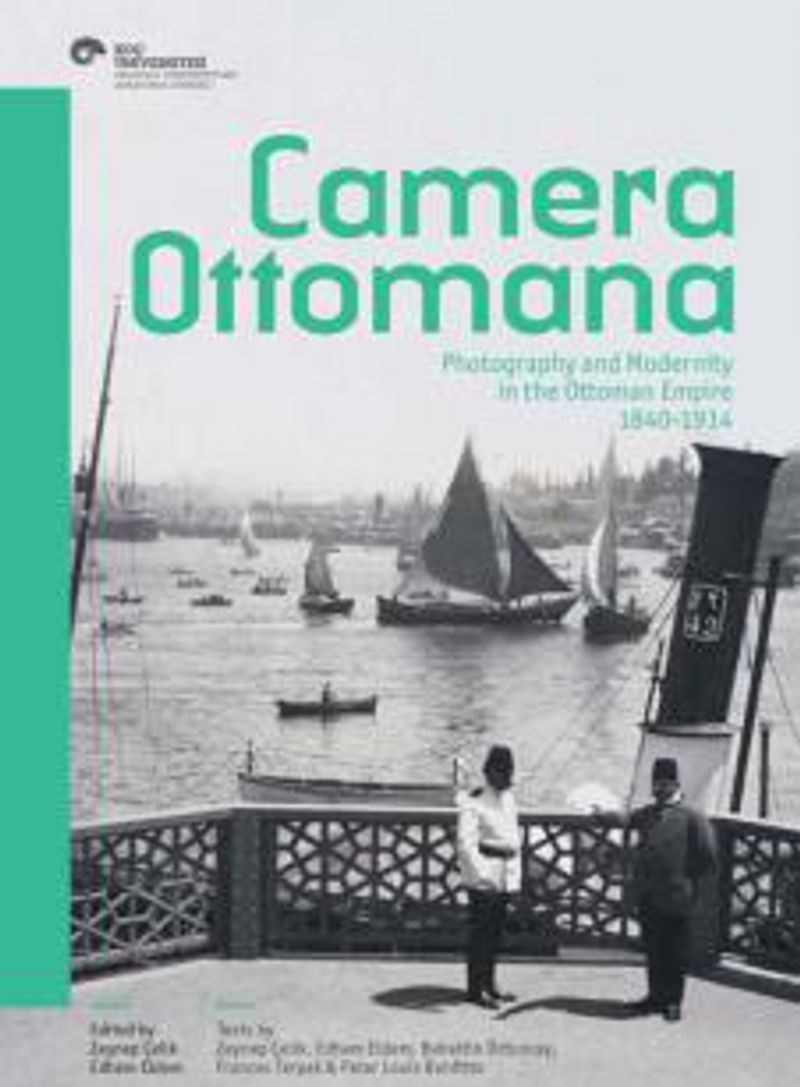
Camera Ottomana Photographt and Modernity in the Ottoman Empire 1840 1914 İngilizce
Bahattin Öztuncay Edhem Eldem Frances Terpak Peter Louis Bonfitto Zeynep ÇelikKOÇ ÜNİVERSİTESİ YAYINLARI
Camera Ottomana Photographt and Modernity in the Ottoman Empire 1840 1914 İngilizce
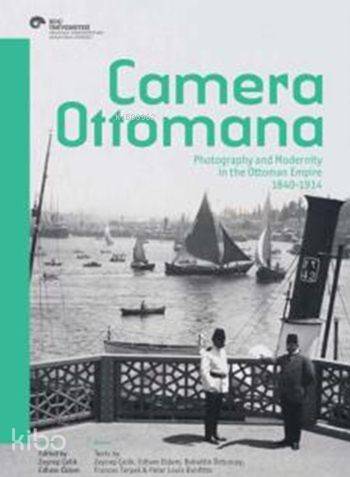
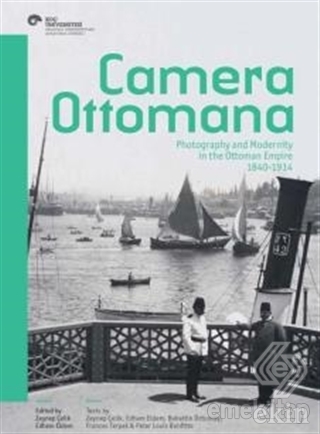
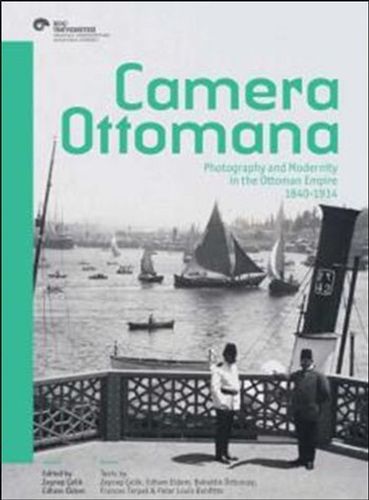
Bahattin Öztuncay Edhem Eldem Frances Terpak Peter Louis Bonfitto Zeynep ÇelikFrom its birth in 1839 photography has participated in modernity as much as it has symbolized it Its capacity to record and display and its claim to accuracy and truth intricately linked the new technology to the dynamism of the modern world The Ottoman Empire embraced photography with great enthusiasm In fact the impact and meaning of photography were compounded with the thrust of modernization and westernization of the Tanzimat movement By the turn of the century photography in the Ottoman lands had become a standard feature of everyday life of public media and of the state apparatus This volume explores some of the most striking aspects of the close connection between photography and modernity with a particular focus on the Ottoman Empire Much of the material concerns the display of modernity through photography as was so often the case in the photographs and albums commissioned by the Sultan to showcase his empire for Western audiences Nevertheless modernity was often embedded in the photographic act transforming it into a common and mundane practice Be it in the form of images disseminated through the illustrated press postcards sent out to family members or anonymous collectors portraits presented to friends and acquaintances or pictures taken of employees and convicts photography had started to invade practically every sphere of public and private life The visual world we live in today was born some 150 years ago Camera Ottomana is both a homage to and a critical assessment of the local dimension of one of the most potent and transformative technological inventions of the recent past
Koç Üniversitesi Yayınları
From its birth in 1839 photography has participated in modernity as much as it has symbolized it Its capacity to record and display and its claim to accuracy and truth intricately linked the new technology to the dynamism of the modern world The Ottoman Empire embraced photography with great enthusiasm In fact the impact and meaning of photography were compounded with the thrust of modernization and westernization of the Tanzimat movement By the turn of the century photography in the Ottoman lands had become a standard feature of everyday life of public media and of the state apparatus This volume explores some of the most striking aspects of the close connection between photography and modernity with a particular focus on the Ottoman Empire Much of the material concerns the display of modernity through photography as was so often the case in the photographs and albums commissioned by the Sultan to showcase his empire for Western audiences Nevertheless modernity was often embedded in the photographic act transforming it into a common and mundane practice Be it in the form of images disseminated through the illustrated press postcards sent out to family members or anonymous collectors portraits presented to friends and acquaintances or pictures taken of employees and convicts photography had started to invade practically every sphere of public and private life The visual world we live in today was born some 150 years ago Camera Ottomana is both a homage to and a critical assessment of the local dimension of one of the most potent and transformative technological inventions of the recent past Yayınevi Koç Üniversitesi Yayınları Yazar Edhem Eldem Sayfa 256 Sayfa Kağıt 1 Hamur Boyut 17 00x24 00 cm Basım Yılı Nisan 2015 Barkod 9786055250461 Kategori Araştırma İnceleme Fotoğraf Sinema Tiyatro
Koç Üniversitesi Yayınları
From its birth in 1839 photography has participated in modernity as much as it has symbolized it Its capacity to record and display and its claim to accuracy and truth intricately linked the new technology to the dynamism of the modern world The Ottoman Empire embraced photography with great enthusiasm In fact the impact and meaning of photography were compounded with the thrust of modernization and westernization of the Tanzimat movement By the turn of the century photography in the Ottoman lands had become a standard feature of everyday life of public media and of the state apparatus This volume explores some of the most striking aspects of the close connection between photography and modernity with a particular focus on the Ottoman Empire Much of the material concerns the display of modernity through photography as was so often the case in the photographs and albums commissioned by the Sultan to showcase his empire for Western audiences Nevertheless modernity was often embedded in the photographic act transforming it into a common and mundane practice Be it in the form of images disseminated through the illustrated press postcards sent out to family members or anonymous collectors portraits presented to friends and acquaintances or pictures taken of employees and convicts photography had started to invade practically every sphere of public and private life The visual world we live in today was born some 150 years ago Camera Ottomana is both a homage to and a critical assessment of the local dimension of one of the most potent and transformative technological inventions of the recent past

Koç Üniversitesi Yayınları
From its birth in 1839 photography has participated in modernity as much as it has symbolized it Its capacity to record and display and its claim to accuracy and truth intricately linked the new technology to the dynamism of the modern world The Ottoman Empire embraced photography with great enthusiasm In fact the impact and meaning of photography were compounded with the thrust of modernization and westernization of the Tanzimat movement By the turn of the century photography in the Ottoman lands had become a standard feature of everyday life of public media and of the state apparatus This volume explores some of the most striking aspects of the close connection between photography and modernity with a particular focus on the Ottoman Empire Much of the material concerns the display of modernity through photography as was so often the case in the photographs and albums commissioned by the Sultan to showcase his empire for Western audiences Nevertheless modernity was often embedded in the photographic act transforming it into a common and mundane practice Be it in the form of images disseminated through the illustrated press postcards sent out to family members or anonymous collectors portraits presented to friends and acquaintances or pictures taken of employees and convicts photography had started to invade practically every sphere of public and private life The visual world we live in today was born some 150 years ago Camera Ottomana is both a homage to and a critical assessment of the local dimension of one of the most potent and transformative technological inventions of the recent past
Koç Üniversitesi Yayınları
çev. Ayşen Gür
Koç Üniversitesi Yayınları
From its birth in 1839 photography has participated in modernity as much as it has symbolized it Its capacity to record and display and its claim to accuracy and truth intricately linked the new technology to the dynamism of the modern world The Ottoman Empire embraced photography with great enthusiasm In fact the impact and meaning of photography were compounded with the thrust of modernization and westernization of the Tanzimat movement By the turn of the century photography in the Ottoman lands had become a standard feature of everyday life of public media and of the state apparatus This volume explores some of the most striking aspects of the close connection between photography and modernity with a particular focus on the Ottoman Empire Much of the material concerns the display of modernity through photography as was so often the case in the photographs and albums commissioned by the Sultan to showcase his empire for Western audiences Nevertheless modernity was often embedded in the photographic act transforming it into a common and mundane practice Be it in the form of images disseminated through the illustrated press postcards sent out to family members or anonymous collectors portraits presented to friends and acquaintances or pictures taken of employees and convicts photography had started to invade practically every sphere of public and private life The visual world we live in today was born some 150 years ago Camera Ottomana is both a homage to and a critical assessment of the local dimension of one of the most potent and transformative technological inventions of the recent past
KOÇ ÜNİVERSİTESİ YAYINLARI
From its birth in 1839 photography has participated in modernity as much as it has symbolized it Its capacity to record and display and its claim to accuracy and truth intricately linked the new technology to the dynamism of the modern world The Ottoman Empire embraced photography with great enthusiasm In fact the impact and meaning of photography were compounded with the thrust of modernization and westernization of the Tanzimat movement By the turn of the century photography in the Ottoman lands had become a standard feature of everyday life of public media and of the state apparatus This volume explores some of the most striking aspects of the close connection between photography and modernity with a particular focus on the Ottoman Empire Much of the material concerns the display of modernity through photography as was so often the case in the photographs and albums commissioned by the Sultan to showcase his empire for Western audiences Nevertheless modernity was often embedded in the photographic act transforming it into a common and mundane practice Be it in the form of images disseminated through the illustrated press postcards sent out to family members or anonymous collectors portraits presented to friends and acquaintances or pictures taken of employees and convicts photography had started to invade practically every sphere of public and private life The visual world we live in today was born some 150 years ago Camera Ottomana is both a homage to and a critical assessment of the local dimension of one of the most potent and transformative technological inventions of the recent past

Koç Üniversitesi Yayınları
From its birth in 1839 photography has participated in modernity as much as it has symbolized it Its capacity to record and display and its claim to accuracy and truth intricately linked the new technology to the dynamism of the modern world The Ottoman Empire embraced photography with great enthusiasm In fact the impact and meaning of photography were compounded with the thrust of modernization and westernization of the Tanzimat movement By the turn of the century photography in the Ottoman lands had become a standard feature of everyday life of public media and of the state apparatus This volume explores some of the most striking aspects of the close connection between photography and modernity with a particular focus on the Ottoman Empire Much of the material concerns the display of modernity through photography as was so often the case in the photographs and albums commissioned by the Sultan to showcase his empire for Western audiences Nevertheless modernity was often embedded in the photographic act transforming it into a common and mundane practice Be it in the form of images disseminated through the illustrated press postcards sent out to family members or anonymous collectors portraits presented to friends and acquaintances or pictures taken of employees and convicts photography had started to invade practically every sphere of public and private life The visual world we live in today was born some 150 years ago Camera Ottomana is both a homage to and a critical assessment of the local dimension of one of the most potent and transformative technological inventions of the recent past
Koç Üniversitesi Yayınları
çev. Ayşen Gür
From its birth in 1839 photography has participated in modernity as much as it has symbolized it Its capacity to record and display and its claim to accuracy and truth intricately linked the new technology to the dynamism of the modern world The Ottoman Empire embraced photography with great enthusiasm In fact the impact and meaning of photography were compounded with the thrust of modernization and westernization of the Tanzimat movement By the turn of the century photography in the Ottoman lands had become a standard feature of everyday life of public media and of the state apparatus This volume explores some of the most striking aspects of the close connection between photography and modernity with a particular focus on the Ottoman Empire Much of the material concerns the display of modernity through photography as was so often the case in the photographs and albums commissioned by the Sultan to showcase his empire for Western audiences Nevertheless modernity was often embedded in the photographic act transforming it into a common and mundane practice Be it in the form of images disseminated through the illustrated press postcards sent out to family members or anonymous collectors portraits presented to friends and acquaintances or pictures taken of employees and convicts photography had started to invade practically every sphere of public and private life The visual world we live in today was born some 150 years ago Camera Ottomana is both a homage to and a critical assessment of the local dimension of one of the most potent and transformative technological inventions of the recent past Yazar Peter Louis Bonfitto Frances Terpak Bahattin Öztuncay Zeynep Çelik Zeynep Çelik
Koç Üniversitesi Yayınları
çev. Ayşen Gür
From its birth in 1839 photography has participated in modernity as much as it has symbolized it Its capacity to record and display and its claim to accuracy and truth intricately linked the new technology to the dynamism of the modern world The Ottoman Empire embraced photography with great enthusiasm In fact the impact and meaning of photography were compounded with the thrust of modernization and westernization of the Tanzimat movement By the turn of the century photography in the Ottoman lands had become a standard feature of everyday life of public media and of the state apparatus