Cyber Aggression and Self Defense in International Law — Qaisar Nasrat
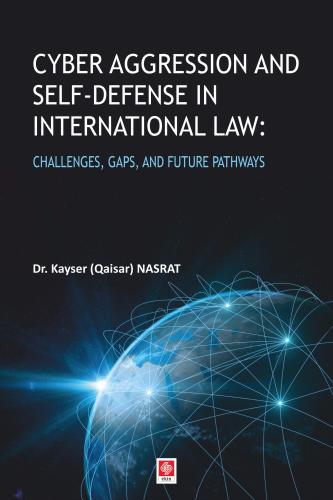
Cyber Aggression and Self Defense in International Law
Qaisar NasratEkin Yayınevi
Cyber Aggression and Self Defense in International Law
Qaisar NasratCHAPTER ONE THE PROHIBITION OF THE USE OF FORCE IN CYBERSPACE A The Prohibition of the Use of Force in International Law B Cyber Operations as Uses of Force Under International Law C Customary International Law and Cyber Operations CHAPTER TWO THE RIGHT OF SELF DEFENSE UNDER ARTICLE 51 IN CYBER CONTEXT 53 A Understanding Article 51 Self Defense Against Armed Attacks B Cyber Operations and Self Defense C Collective Self Defense Against Cyber Armed Attacks CHAPTER THREE ATTRIBUTION IN CYBER OPERATIONS A The Attribution Problem B The Legal Response to Non State Actors CHAPTER FOUR UNDERSTANDING THE CRITERIA FOR CYBER SELF DEFENSE A Proportionality in Cyber Self Defense B Necessity in Cyber Self Defense C Immediacy in Cyber Self Defense D Cyber Countermeasures and Retaliation CHAPTER FIVE DETERRENCE AND ANTICIPATORY SELF DEFENSE IN CYBERSPACE A Anticipatory Self Defense in International Law B Cyber Deterrence CHAPTER SIX CASE STUDIES IN CYBER AGGRESSION A Stuxnet and the Use of Cyber Force B Estonia 2007 and the Armed Attack Debate C Russian Georgian Cyber Conflict
Ekin Basım Yayın
This book provides an overvieu of the current state of international lau on cybersecurity focusing particularly on the legal challenges and gaps in addressing cyberattacks the use of force in cyberspace and the limitations of International Humanitarian Law IHL in protecting infrastructure and human rights The study focuses on the complexities emerging in these areas and the need for a more coordinated and cooperative international legal frameu ork One of the key challenges highlighted in the book is the difficulty in attributing cyberattacks Unlike traditional military attacks u here the identity of the attacker is usually clear tracing cyberattacks is often difficult The anonymous and decentralized nature of cyberspace makes it challenging to identify perpetrators and hinders the application of existing legal frameu orks that rely on clear attributions for accountability and responsibility This gap in the legal frameu ork creates a significant security vulnerability in the international system where state and non state actors can launch attacks u ithout fear of retaliation The book also addresses the issue of regulating the use of force in cyberspace Traditionally the use of force in international relations has been subject to established principles of international law such as those enshrined in the United Nations Charter Hou ever cyberspace has given rise to new forms of conflict and existing norms of international law such as those governing armed conflict are not fully adaptable to this new realm This creates uncertainty about hou international law should respond to cyberattacks that could reach the level of acts of u ar Furthermore there is ongoing debate about u hat constitutes the use of force in cyberspace and u hether cyberattacks can be considered equivalent to traditional kinetic military actions Kitabın Konu Başlıkları The Prohibition Of The Use Of Force in Cyberspace The Right Of Self Defense Under Article 51 in Cyber Context 53 Attribution in Cyber Operations Understanding The Criteria for Cyber Self Defense Deterrence and Anticipatory Self Defense in Cyberspace Case Studies in Cyber Aggression
Ekin Basım Yayın
This book provides an overvieu of the current state of international lau on cybersecurity focusing particularly on the legal challenges and gaps in addressing cyberattacks the use of force in cyberspace and the limitations of International Humanitarian Law IHL in protecting infrastructure and human rights The study focuses on the complexities emerging in these areas and the need for a more coordinated and cooperative international legal frameu ork One of the key challenges highlighted in the book is the difficulty in attributing cyberattacks Unlike traditional military attacks u here the identity of the attacker is usually clear tracing cyberattacks is often difficult The anonymous and decentralized nature of cyberspace makes it challenging to identify perpetrators and hinders the application of existing legal frameu orks that rely on clear attributions for accountability and responsibility This gap in the legal frameu ork creates a significant security vulnerability in the international system where state and non state actors can launch attacks u ithout fear of retaliation The book also addresses the issue of regulating the use of force in cyberspace Traditionally the use of force in international relations has been subject to established principles of international law such as those enshrined in the United Nations Charter Hou ever cyberspace has given rise to new forms of conflict and existing norms of international law such as those governing armed conflict are not fully adaptable to this new realm This creates uncertainty about hou international law should respond to cyberattacks that could reach the level of acts of u ar Furthermore there is ongoing debate about u hat constitutes the use of force in cyberspace and u hether cyberattacks can be considered equivalent to traditional kinetic military actions Kitabın Konu Başlıkları The Prohibition Of The Use Of Force in Cyberspace The Right Of Self Defense Under Article 51 in Cyber Context 53 Attribution in Cyber Operations Understanding The Criteria for Cyber Self Defense Deterrence and Anticipatory Self Defense in Cyberspace Case Studies in Cyber Aggression
Ekin Kitabevi Yayınları
CHAPTER ONE THE PROHIBITION OF THE USE OF FORCE IN CYBERSPACE A The Prohibition of the Use of Force in International Law B Cyber Operations as Uses of Force Under International Law C Customary International Law and Cyber Operations CHAPTER TWO THE RIGHT OF SELF DEFENSE UNDER ARTICLE 51 IN CYBER CONTEXT 53 A Understanding Article 51 Self Defense Against Armed Attacks B Cyber Operations and Self Defense C Collective Self Defense Against Cyber Armed Attacks CHAPTER THREE ATTRIBUTION IN CYBER OPERATIONS A The Attribution Problem B The Legal Response to Non State Actors CHAPTER FOUR UNDERSTANDING THE CRITERIA FOR CYBER SELF DEFENSE A Proportionality in Cyber Self Defense B Necessity in Cyber Self Defense C Immediacy in Cyber Self Defense D Cyber Countermeasures and Retaliation CHAPTER FIVE DETERRENCE AND ANTICIPATORY SELF DEFENSE IN CYBERSPACE A Anticipatory Self Defense in International Law B Cyber Deterrence CHAPTER SIX CASE STUDIES IN CYBER AGGRESSION A Stuxnet and the Use of Cyber Force B Estonia 2007 and the Armed Attack Debate C Russian Georgian Cyber Conflict