Digital Transformation in Banking Industry Financi — Ozan Gülhan
Digital Transformation in Banking Industry Financi
Ozan GülhanKriter
Digital Transformation in Banking Industry Financi
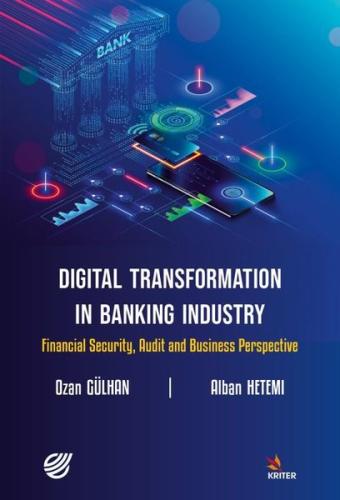
Ozan GülhanThe book Digital Transformation in Banking Industry Financial Security Audit and Business Perspective explores the effect of digital transformation on Anti Money Laundering AML regime by focusing on digital Know Your Client eKYC artificial intelligence in AML crypto currency and virtual assets by drawing attention on ongoing compliance challenges in virtual assets era Furthermore it explores Fintechs and future of conventional banking as well as remote auditing in banking industry This edition explores Fintechs and the future of conventional banking This is to examine the Fintech structures that have recently gained great importance in the world and to evaluate the possible effects of the developments on traditional banking in the future Considering the innovations that Fintech structures bring to payment systems their impact on credit markets and the structure of blockchain linked contracts it is expected that they will have greater effects on the financial system in the future In this context the book analysis the effects of these structures on traditional banking by including the recent literature on the subject Remote auditing is one of the common methods that is suitable for today s world with its flexible and technology based structure In our book we have dedicated a chapter which explores remote auditing also known as virtual audit and challenges as well as advantages of applying it A chapter is dedicated to AML Programs in Banking Industry in Covid 19 Era which identifies challenges good practices and policy reactions to new ML TF risks which can be also defined as financial security risks arising during the Covid 19 pandemic crisis and due to impact of digital transformation in banking industry A special attention is dedicated to the artificial intelligence in AML structures in banking and the role of artificial intelligence for detecting money laundering cases by decreasing the number of false alerts and increasing the quality of real matches The book explores the role of artificial intelligence on increasing the efficiency and decreasing the manual work on daily basis for AML Compliance Officers The book explores virtual currency and blockchain by identifying ongoing compliance challenges from decentralized platforms peer to peer cryptocurrency exchangers anonymity enhanced cryptocurrencies and jurisdictional arbitrage the ability of criminal actors to route their activity through countries with weak AML CFT regimes Blockchain Distributed Ledger Technology DLT applications aside certain properties of Virtual Currencies including VCs associated with Initial Coin Offering ICOs entail special Financial Crimes Compliance FCC risks some of which are detailed in our book Nowadays the Digital Identity DI services help financial institutions especially banking industry to offer several services efficiently and properly to their clients By keeping this in mind the measures for Covid 19 offering services in distance remains the best solution in the market The DI provides provable and sharable identity which is particularly important when on boarding clients but also has a key protection role to play when users are transacting In our book we have dedicated a chapter related to digital ID system and eKYC We believe this edition contributes to current literature for the effect of digital transformation in banking industry from the financial security audit and business perspective and it is important for compliance officers and bankers policy makers strategists academics students and professionals in the field of compliance Tanıtım Bülteninden
Kriter Yayınları
The book Digital Transformation in Banking Industry Financial Security Audit and Business Perspective explores the effect of digital transformation on Anti Money Laundering AML regime by focusing on digital Know Your Client eKYC artificial intelligence in AML crypto currency and virtual assets by drawing attention on ongoing compliance challenges in virtual assets era Furthermore it explores Fintechs and future of conventional banking as well as remote auditing in banking industry This edition explores Fintechs and the future of conventional banking This is to examine the Fintech structures that have recently gained great importance in the world and to evaluate the possible effects of the developments on traditional banking in the future Considering the innovations that Fintech structures bring to payment systems their impact on credit markets and the structure of blockchain linked contracts it is expected that they will have greater effects on the financial system in the future In this context the book analysis the effects of these structures on traditional banking by including the recent literature on the subject Remote auditing is one of the common methods that is suitable for today s world with its flexible and technology based structure In our book we have dedicated a chapter which explores remote auditing also known as virtual audit and challenges as well as advantages of applying it A chapter is dedicated to AML Programs in Banking Industry in Covid 19 Era which identifies challenges good practices and policy reactions to new ML TF risks which can be also defined as financial security risks arising during the Covid 19 pandemic crisis and due to impact of digital transformation in banking industry A special attention is dedicated to the artificial intelligence in AML structures in banking and the role of artificial intelligence for detecting money laundering cases by decreasing the number of false alerts and increasing the quality of real matches The book explores the role of artificial intelligence on increasing the efficiency and decreasing the manual work on daily basis for AML Compliance Officers The book explores virtual currency and blockchain by identifying ongoing compliance challenges from decentralized platforms peer to peer cryptocurrency exchangers anonymity enhanced cryptocurrencies and jurisdictional arbitrage the ability of criminal actors to route their activity through countries with weak AML CFT regimes Blockchain
Kriter Yayınları
The book Digital Transformation in Banking Industry Financial Security Audit and Business Perspective explores the effect of digital transformation on Anti Money Laundering AML regime by focusing on digital Know Your Client eKYC artificial intelligence in AML crypto currency and virtual assets by drawing attention on ongoing compliance challenges in virtual assets era Furthermore it explores Fintechs and future of conventional banking as well as remote auditing in banking industry This edition explores Fintechs and the future of conventional banking This is to examine the Fintech structures that have recently gained great importance in the world and to evaluate the possible effects of the developments on traditional banking in the future Considering the innovations that Fintech structures bring to payment systems their impact on credit markets and the structure of blockchain linked contracts it is expected that they will have greater effects on the financial system in the future In this context the book analysis the effects of these structures on traditional banking by including the recent literature on the subject Remote auditing is one of the common methods that is suitable for today s world with its flexible and technology based structure In our book we have dedicated a chapter which explores remote auditing also known as virtual audit and challenges as well as advantages of applying it A chapter is dedicated to AML Programs in Banking Industry in Covid 19 Era which identifies challenges good practices and policy reactions to new ML TF risks which can be also defined as financial security risks arising during the Covid 19 pandemic crisis and due to impact of digital transformation in banking industry A special attention is dedicated to the artificial intelligence in AML structures in banking and the role of artificial intelligence for detecting money laundering cases by decreasing the number of false alerts and increasing the quality of real matches The book explores the role of artificial intelligence on increasing the efficiency and decreasing the manual work on daily basis for AML Compliance Officers The book explores virtual currency and blockchain by identifying ongoing compliance challenges from decentralized platforms peer to peer cryptocurrency exchangers anonymity enhanced cryptocurrencies and jurisdictional arbitrage the ability of criminal actors to route their activity through countries with weak AML CFT regimes Blockchain Distributed Ledger Technology DLT applications aside certain properties of Virtual Currencies including VCs associated with Initial Coin Offering ICOs entail special Financial Crimes Compliance FCC risks some of which are detailed in our book Nowadays the Digital Identity DI services help financial institutions especially banking industry to offer several services efficiently and properly to their clients By keeping this in mind the measures for Covid 19 offering services in distance remains the best solution in the market The DI provides provable and sharable identity which is particularly important when on boarding clients but also has a key protection role to play when users are transacting In our book we have dedicated a chapter related to digital ID system and eKYC We believe this edition contributes to current literature for the effect of digital transformation in banking industry from the financial security audit and business perspective and it is important for compliance officers and bankers policy makers strategists academics students and professionals in the field of compliance
Kriter
The book Digital Transformation in Banking Industry Financial Security Audit and Business Perspective explores the effect of digital transformation on Anti Money Laundering AML regime by focusing on digital Know Your Client eKYC artificial intelligence in AML crypto currency and virtual assets by drawing attention on ongoing compliance challenges in virtual assets era Furthermore it explores Fintechs and future of conventional banking as well as remote auditing in banking industry This edition explores Fintechs and the future of conventional banking This is to examine the Fintech structures that have recently gained great importance in the world and to evaluate the possible effects of the developments on traditional banking in the future Considering the innovations that Fintech structures bring to payment systems their impact on credit markets and the structure of blockchain linked contracts it is expected that they will have greater effects on the financial system in the future In this context the book analysis the effects of these structures on traditional banking by including the recent literature on the subject Remote auditing is one of the common methods that is suitable for today s world with its flexible and technology based structure In our book we have dedicated a chapter which explores remote auditing also known as virtual audit and challenges as well as advantages of applying it A chapter is dedicated to AML Programs in Banking Industry in Covid 19 Era which identifies challenges good practices and policy reactions to new ML TF risks which can be also defined as financial security risks arising during the Covid 19 pandemic crisis and due to impact of digital transformation in banking industry A special attention is dedicated to the artificial intelligence in AML structures in banking and the role of artificial intelligence for detecting money laundering cases by decreasing the number of false alerts and increasing the quality of real matches The book explores the role of artificial intelligence on increasing the efficiency and decreasing the manual work on daily basis for AML Compliance Officers The book explores virtual currency and blockchain by identifying ongoing compliance challenges from decentralized platforms peer to peer cryptocurrency exchangers anonymity enhanced cryptocurrencies and jurisdictional arbitrage the ability of criminal actors to route their activity through countries with weak AML CFT regimes Blockchain Distributed Ledger Technology DLT applications aside certain properties of Virtual Currencies including VCs associated with Initial Coin Offering ICOs entail special Financial Crimes Compliance FCC risks some of which are detailed in our book Nowadays the Digital Identity DI services help financial institutions especially banking industry to offer several services efficiently and properly to their clients By keeping this in mind the measures for Covid 19 offering services in distance remains the best solution in the market The DI provides provable and sharable identity which is particularly important when on boarding clients but also has a key protection role to play when users are transacting In our book we have dedicated a chapter related to digital ID system and eKYC We believe this edition contributes to current literature for the effect of digital transformation in banking industry from the financial security audit and business perspective and it is important for compliance officers and bankers policy makers strategists academics students and professionals in the field of compliance Tanıtım Bülteninden