Elite Configuratıons and Clusters Of Power The Ulema Waqf and Ottoman State 1789 1839 — Selim Argun
Elite Configuratıons and Clusters Of Power The Ulema Waqf and Ottoman State 1789 1839
Selim Argunİbn Haldun Üniversitesi Yayınları
Elite Configuratıons and Clusters Of Power The Ulema Waqf and Ottoman State 1789 1839
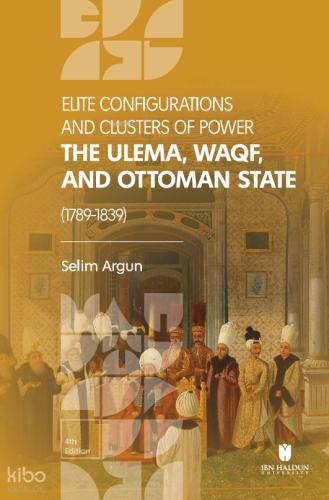
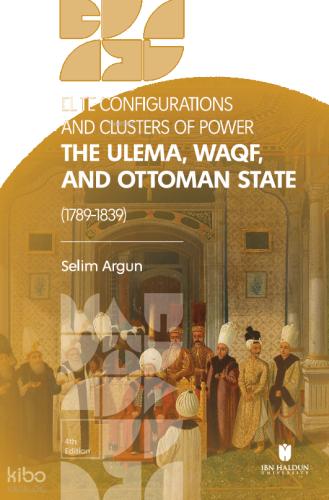
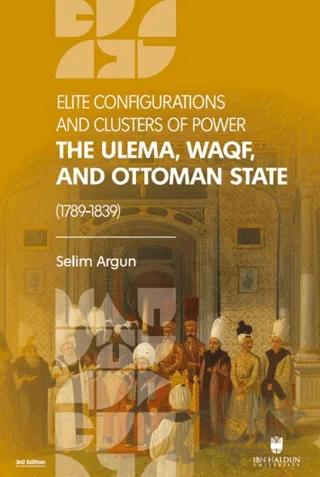
Selim ArgunThrough the prism of Richard Lachmann s elite conflict theory of historical contingency this book brings a new perspective and a fresh interpretation to the study of the attitudes of the Ottoman central ulema toward the pre Tanzimat Westernizing reforms Contrary to the prevailing view of intra elite vertical dichotomy conflict as the primary basis for ulema reacitions this research proposes inter elite horizontal conflict as the root cause for the failure of the reform initiatives Moreover this study challenges the commonly held belief that the goal of centralization of the revenues of religious endowments by the ruling authority was to silence ulema opposition to the Westernizing reforms Instead through a detailed examination of the evolution of early European taxation models and fiscal centralization trajectories this research concludes that the Mahmudian centralization of awqaf should be seen rather as an emulation of the wider eco geographic trend in response to the historical challenges faced by European states and the Ottoman Empire By problematizing the prevailing nomenclature of Ottoman historiography this research clarifies the longstanding misconceptions attached to the term ulema Finally through a comprehensive survey of waqf elite relations this study will advance the understanding of the dynamics of the pre Tanzimat Ottoman Empire
İbn Haldun Üniversitesi Yayınları
Through the prism of Richard Lachmann s elite conflict theory of historical contingency this book brings a new perspective and a fresh interpretation to the study of the attitudes of the Ottoman central ulema toward the pre Tanzimat Westernizing reforms Contrary to the prevailing view of intra elite vertical dichotomy conflict as the primary basis for ulema reacitions this research proposes inter elite horizontal conflict as the root cause for the failure of the reform initiatives Moreover this study challenges the commonly held belief that the goal of centralization of the revenues of religious endowments by the ruling authority was to silence ulema opposition to the Westernizing reforms Instead through a detailed examination of the evolution of early European taxation models and fiscal centralization trajectories this research concludes that the Mahmudian centralization of awqaf should be seen rather as an emulation of the wider eco geographic trend in response to the historical challenges faced by European states and the Ottoman Empire By problematizing the prevailing nomenclature of Ottoman historiography this research clarifies the longstanding misconceptions attached to the term ulema Finally through a comprehensive survey of waqf elite relations this study will advance the understanding of the dynamics of the pre Tanzimat Ottoman Empire
İbn Haldun Üniversitesi Yayınları
Through the prism of Richard Lachmann s elite conflict theory of historical contingency this book brings a new perspective and a fresh interpretation to the study of the attitudes of the Ottoman central ulema toward the pre Tanzimat Westernizing reforms Contrary to the prevailing view of intra elite vertical dichotomy conflict as the primary basis for ulema reacitions this research proposes inter elite horizontal conflict as the root cause for the failure of the reform initiatives Moreover this study challenges the commonly held belief that the goal of centralization of the revenues of religious endowments by the ruling authority was to silence ulema opposition to the Westernizing reforms Instead through a detailed examination of the evolution of early European taxation models and fiscal centralization trajectories this research concludes that the Mahmudian centralization of awqaf should be seen rather as an emulation of the wider eco geographic trend in response to the historical challenges faced by European states and the Ottoman Empire By problematizing the prevailing nomenclature of Ottoman historiography this research clarifies the longstanding misconceptions attached to the term ulema Finally through a comprehensive survey of waqf elite relations this study will advance the understanding of the dynamics of the pre Tanzimat Ottoman Empire
İbn Haldun Üniversitesi Yayınları
Through the prism of Richard Lachmann s elite conflict theory of historical contingency this book brings a new perspective and a fresh interpretation to the study of the attitudes of the Ottoman central ulema toward the pre Tanzimat Westernizing reforms Contrary to the prevailing view of intra elite vertical dichotomy conflict as the primary basis for ulema reacitions this research proposes inter elite horizontal conflict as the root cause for the failure of the reform initiatives Moreover this study challenges the commonly held belief that the goal of centralization of the revenues of religious endowments by the ruling authority was to silence ulema opposition to the Westernizing reforms Instead through a detailed examination of the evolution of early European taxation models and fiscal centralization trajectories this research concludes that the Mahmudian centralization of awqaf should be seen rather as an emulation of the wider eco geographic trend in response to the historical challenges faced by European states and the Ottoman Empire By problematizing the prevailing nomenclature of Ottoman historiography this research clarifies the longstanding misconceptions attached to the term ulema Finally through a comprehensive survey of waqf elite relations this study will advance the understanding of the dynamics of the pre Tanzimat Ottoman Empire
İbn Haldun Üniversitesi Yayınları
Through the prism of Richard Lachmann s elite conflict theory of historical contingency this book brings a new perspective and a fresh interpretation to the study of the attitudes of the Ottoman central ulema toward the pre Tanzimat Westernizing reforms Contrary to the prevailing view of intra elite vertical dichotomy conflict as the primary basis for ulema reacitions this research proposes inter elite horizontal conflict as the root cause for the failure of the reform initiatives Moreover this study challenges the commonly held belief that the goal of centralization of the revenues of religious endowments by the ruling authority was to silence ulema opposition to the Westernizing reforms Instead through a detailed examination of the evolution of early European taxation models and fiscal centralization trajectories this research concludes that the Mahmudian centralization of awqaf should be seen rather as an emulation of the wider eco geographic trend in response to the historical challenges faced by European states and the Ottoman Empire By problematizing the prevailing nomenclature of Ottoman historiography this research clarifies the longstanding misconceptions attached to the term ulema Finally through a comprehensive survey of waqf elite relations this study will advance the understanding of the dynamics of the pre Tanzimat Ottoman Empire
İbn Haldun Üniversitesi
Elite Configurations and Clusters of Power The Ulema Waqf and Ottoman State 1789 1839