Epistemological Warfare and Hope in Critical Dystopia — Emrah Atasoy
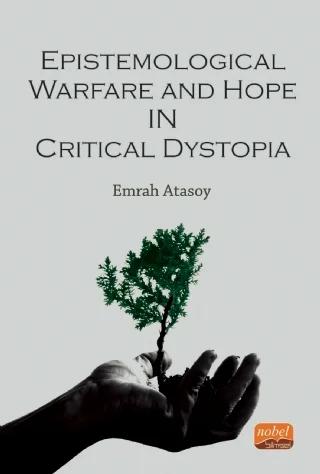
Epistemological Warfare and Hope in Critical Dystopia
Emrah AtasoyNobel Bilimsel Eserler
Epistemological Warfare and Hope in Critical Dystopia
Emrah AtasoyIn this book Emrah Atasoy traces the protagonists of three important but neglected twentieth century dystopias as they move from innocence ignorance regarding the worlds in which they live to an awareness knowledge of how they are oppressed In doing so he reveals the utopian potential of dystopian narratives demonstrating that while knowledge and understanding are not enough to overcome oppression they are necessary for hope Lyman Tower Sargent Professor Emeritus of Political Science University of Missouri St Louis USA Emrah Atasoy s study combines a thorough overview of the development of the dystopian genre with an original and impressive close reading of three significant novels By examining the journey motif and certain binary oppositions that are characteristic of the genre and of its totalitarian societies Atasoy demonstrates the protagonists understanding of the manipulative nature of the system Such epistemological warfare allows them to move from institutionalized ignorance to experience and the possibility of utopian hope Raffaella Baccolini Professor of English Literature and Gender Studies University of Bologna Italy Emrah Atasoy s book makes an important contribution to the field of literary dystopian studies Drawing on an impressive body of knowledge and research this work offers a valuable overview of the subject The chapter on Anthony Burgess is an exemplary piece of work with a detailed discussion of the theology which underpins The Wanting Seed Everyone who takes a serious interest in dystopian literature will want to read this book Andrew Biswell Professor of Modern Literature Manchester Metropolitan University UK This book focuses on the transition from innocence and ignorance to experience and knowledge in dystopian fiction revealing that truth and knowledge in Katharine Burdekin s Swastika Night Anthony Burgess s The Wanting Seed and P D James s The Children of Men are fictional constructs These critical dystopias show characters journeys from ignorance to experience as a process of epistemological warfare The protagonists initial ignorance is shattered through various symbolic transformations increasing the utopian undertone within these examples of critical dystopia The open ended structure of these texts reinforces the hope of the utopian impulses and of revisionary epistemologies that might lead to more just meritocratic societies
Nobel Bilimsel Eserler
In this book Emrah Atasoy traces the protagonists of three important but neglected twentieth century dystopias as they move from innocence ignorance regarding the worlds in which they live to an awareness knowledge of how they are oppressed In doing so he reveals the utopian potential of dystopian narratives demonstrating that while knowledge and understanding are not enough to overcome oppression they are necessary for hope Lyman Tower Sargent Professor Emeritus of Political Science University of Missouri St Louis USA Emrah Atasoy s study combines a thorough overview of the development of the dystopian genre with an original and impressive close reading of three significant novels By examining the journey motif and certain binary oppositions that are characteristic of the genre and of its totalitarian societies Atasoy demonstrates the protagonists understanding of the manipulative nature of the system Such epistemological warfare allows them to move from institutionalized ignorance to experience and the possibility of utopian hope Raffaella Baccolini Professor of English Literature and Gender Studies University of Bologna Italy Emrah Atasoy s book makes an important contribution to the field of literary dystopian studies Drawing on an impressive body of knowledge and research this work offers a valuable overview of the subject The chapter on Anthony Burgess is an exemplary piece of work with a detailed discussion of the theology which underpins The Wanting Seed Everyone who takes a serious interest in dystopian literature will want to read this book Andrew Biswell Professor of Modern Literature Manchester Metropolitan University UK This book focuses on the transition from innocence and ignorance to experience and knowledge in dystopian fiction revealing that truth and knowledge in Katharine Burdekin s Swastika Night Anthony Burgess s The Wanting Seed and P D James s The Children of Men are fictional constructs These critical dystopias show characters journeys from ignorance to experience as a process of epistemological warfare The protagonists initial ignorance is shattered through various symbolic transformations increasing the utopian undertone within these examples of critical dystopia The open ended structure of these texts reinforces the hope of the utopian impulses and of revisionary epistemologies that might lead to more just meritocratic societies
Nobel Bilimsel Eserler
In this book Emrah Atasoy traces the protagonists of three important but neglected twentieth century dystopias as they move from innocence ignorance regarding the worlds in which they live to an awareness knowledge of how they are oppressed In doing so he reveals the utopian potential of dystopian narratives demonstrating that while knowledge and understanding are not enough to overcome oppression they are necessary for hope Lyman Tower Sargent Professor Emeritus of Political Science University of Missouri St Louis USA Emrah Atasoy s study combines a thorough overview of the development of the dystopian genre with an original and impressive close reading of three significant novels By examining the journey motif and certain binary oppositions that are characteristic of the genre and of its totalitarian societies Atasoy demonstrates the protagonists understanding of the manipulative nature of the system Such epistemological warfare allows them to move from institutionalized ignorance to experience and the possibility of utopian hope Raffaella Baccolini Professor of English Literature and Gender Studies University of Bologna Italy Emrah Atasoy s book makes an important contribution to the field of literary dystopian studies Drawing on an impressive body of knowledge and research this work offers a valuable overview of the subject The chapter on Anthony Burgess is an exemplary piece of work with a detailed discussion of the theology which underpins The Wanting Seed Everyone who takes a serious interest in dystopian literature will want to read this book Andrew Biswell Professor of Modern Literature Manchester Metropolitan University UK This book focuses on the transition from innocence and ignorance to experience and knowledge in dystopian fiction revealing that truth and knowledge in Katharine Burdekin s Swastika Night Anthony Burgess s The Wanting Seed and P D James s The Children of Men are fictional constructs These critical dystopias show characters journeys from ignorance to experience as a process of epistemological warfare The protagonists initial ignorance is shattered through various symbolic transformations increasing the utopian undertone within these examples of critical dystopia The open ended structure of these texts reinforces the hope of the utopian impulses and of revisionary epistemologies that might lead to more just meritocratic societies
Nobel Bilimsel Eserler
In this book Emrah Atasoy traces the protagonists of three important but neglected twentieth century dystopias as they move from innocence ignorance regarding the worlds in which they live to an awareness knowledge of how they are oppressed In doing so he reveals the utopian potential of dystopian narratives demonstrating that while knowledge and understanding are not enough to overcome oppression they are necessary for hope Lyman Tower Sargent Professor Emeritus of Political Science University of Missouri St Louis USA Emrah Atasoy s study combines a thorough overview of the development of the dystopian genre with an original and impressive close reading of three significant novels By examining the journey motif and certain binary oppositions that are characteristic of the genre and of its totalitarian societies Atasoy demonstrates the protagonists understanding of the manipulative nature of the system Such epistemological warfare allows them to move from institutionalized ignorance to experience and the possibility of utopian hope Raffaella Baccolini Professor of English Literature and Gender Studies University of Bologna Italy Emrah Atasoy s book makes an important contribution to the field of literary dystopian studies Drawing on an impressive body of knowledge and research this work offers a valuable overview of the subject The chapter on Anthony Burgess is an exemplary piece of work with a detailed discussion of the theology which underpins The Wanting Seed Everyone who takes a serious interest in dystopian literature will want to read this book Andrew Biswell Professor of Modern Literature Manchester Metropolitan University UK This book focuses on the transition from innocence and ignorance to experience and knowledge in dystopian fiction revealing that truth and knowledge in Katharine Burdekin s Swastika Night Anthony Burgess s The Wanting Seed and P D James s The Children of Men are fictional constructs These critical dystopias show characters journeys from ignorance to experience as a process of epistemological warfare The protagonists initial ignorance is shattered through various symbolic transformations increasing the utopian undertone within these examples of critical dystopia The open ended structure of these texts reinforces the hope of the utopian impulses and of revisionary epistemologies that might lead to more just meritocratic societies
Nobel Bilimsel Eserler
In this book Emrah Atasoy traces the protagonists of three important but neglected twentieth century dystopias as they move from innocence ignorance regarding the worlds in which they live to an awareness knowledge of how they are oppressed In doing so he reveals the utopian potential of dystopian narratives demonstrating that while knowledge and understanding are not enough to overcome oppression they are necessary for hope Lyman Tower Sargent Professor Emeritus of Political Science University of Missouri St Louis USA Emrah Atasoy s study combines a thorough overview of the development of the dystopian genre with an original and impressive close reading of three significant novels By examining the journey motif and certain binary oppositions that are characteristic of the genre and of its totalitarian societies Atasoy demonstrates the protagonists understanding of the manipulative nature of the system Such epistemological warfare allows them to move from institutionalized ignorance to experience and the possibility of utopian hope Raffaella Baccolini Professor of English Literature and Gender Studies University of Bologna Italy Emrah Atasoy s book makes an important contribution to the field of literary dystopian studies Drawing on an impressive body of knowledge and research this work offers a valuable overview of the subject The chapter on Anthony Burgess is an exemplary piece of work with a detailed discussion of the theology which underpins The Wanting Seed Everyone who takes a serious interest in dystopian literature will want to read this book Andrew Biswell Professor of Modern Literature Manchester Metropolitan University UK This book focuses on the transition from innocence and ignorance to experience and knowledge in dystopian fiction revealing that truth and knowledge in Katharine Burdekin s Swastika Night Anthony Burgess s The Wanting Seed and P D James s The Children of Men are fictional constructs These critical dystopias show characters journeys from ignorance to experience as a process of epistemological warfare The protagonists initial ignorance is shattered through various symbolic transformations increasing the utopian undertone within these examples of critical dystopia The open ended structure of these texts reinforces the hope of the utopian impulses and of revisionary epistemologies that might lead to more just meritocratic societies