Exploring the Anatomy of The Syrian Armed Conflicts — Muhammet Celal Kul
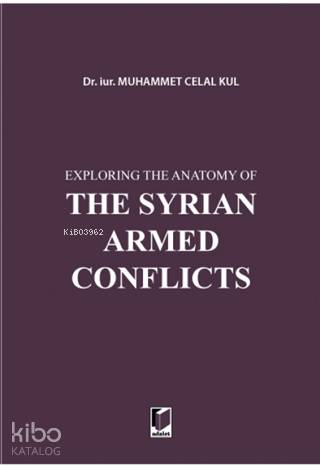
Exploring the Anatomy of The Syrian Armed Conflicts
Muhammet Celal KulAdalet Yayınevi
Exploring the Anatomy of The Syrian Armed Conflicts
Muhammet Celal KulFor more than nine years Syrian Arab Republic has been home to armed conflicts The situation in Syria has proven to be severe than a military coup or a bloody regime change Armed conflicts in Syria has caused many crises including humanitarian and refugee crises However this study has been prepared to analyse the legal interplay between the types of armed conflicts between the main contenders of the armed conflicts in Syria Moreover Syrian armed conflicts are not finished yet and facts might change faster than one might estimate Therefore writing about a developing story or a current affair has not been an easy work But luckily enough arguments and analyses used in this study are still valid and up to date The focus of this study is the nature and classification of the Syrian armed conflicts a problematic topic which requires analysis for its various consequences For the purposes of international humanitarian law to give an overall picture of Syrian armed conflicts this paper identifies the main contenders and the conflicts between them The study has been divided into four parts International armed conflicts have been discussed in the first part The second part deals with non international armed conflicts In the third part internationalisation of armed conflicts has been analysed Finally the last part has been allocated for legal effects of classification of armed conflicts of Syria In exploring the nature of the Syrian armed conflicts different views found under international humanitarian law have been revisited and applied to these conflicts Moreover an examination of ISIS also known as DAESH the role of third States namely Iran Russia Turkey and the coalition forces and non State actors such as the Free Syrian Army and People s Protection Units YPG have been considered Furthermore the question as to whether the Free Syrian Army or other non State actors may be regarded as a national liberation movement has been addressed
Adalet Yayınevi
Muhammet Celal Kul tarafından kaleme alınan Exploring the Anatomy of The Syrian Armed Conflicts Adalet Yayınevi eseri olarak okurlarla buluşuyor Exploring the Anatomy of The Syrian Armed Conflicts Muhammet Celal Kul Kitap Özeti For more than nine years Syrian Arab Republic has been home to armed conflicts The situation in Syria has proven to be severe than a military coup or a bloody regime change Armed conflicts in Syria has caused many crises including humanitarian and refugee crises However this study has been prepared to analyse the legal interplay between the types of armed conflicts between the main contenders of the armed conflicts in Syria Moreover Syrian armed conflicts are not finished yet and facts might change faster than one might estimate Therefore writing about a developing story or a current affair has not been an easy work But luckily enough arguments and analyses used in this study are still valid and up to date The focus of this study is the nature and classification of the Syrian armed conflicts a problematic topic which requires analysis for its various consequences For the purposes of international humanitarian law to give an overall picture of Syrian armed conflicts this paper identifies the main contenders and the conflicts between them The study has been divided into four parts International armed conflicts have been discussed in the first part The second part deals with non international armed conflicts In the third part internationalisation of armed conflicts has been analysed Finally the last part has been allocated for legal effects of classification of armed conflicts of Syria In exploring the nature of the Syrian armed conflicts different views found under international humanitarian law have been revisited and applied to these conflicts Moreover an examination of ISIS also known as DAESH the role of third States namely Iran Russia Turkey and the coalition forces and non State actors such as the Free Syrian Army and People s Protection Units YPG have been considered Furthermore the question as to whether the Free Syrian Army or other non State actors may be regarded as a national liberation movement has been addressed Yayınevi Adalet Yayınevi Yazar Muhammet Celal Kul Sayfa 112 Sayfa Kağıt 1 Hamur Boyut 14 00x20 00 cm Basım Yılı Mart 2020 Barkod 9786053009825 Kategori Araştırma İnceleme İslam Ortadoğu
Adalet Yayınevi
For more than nine years Syrian Arab Republic has been home to armed conflicts The situation in Syria has proven to be severe than a military coup or a bloody regime change Armed conflicts in Syria has caused many crises including humanitarian and refugee crises However this study has been prepared to analyse the legal interplay between the types of armed conflicts between the main contenders of the armed conflicts in Syria Moreover Syrian armed conflicts are not finished yet and facts might change faster than one might estimate Therefore writing about a developing story or a current affair has not been an easy work But luckily enough arguments and analyses used in this study are still valid and up to date The focus of this study is the nature and classification of the Syrian armed conflicts a problematic topic which requires analysis for its various consequences For the purposes of international humanitarian law to give an overall picture of Syrian armed conflicts this paper identifies the main contenders and the conflicts between them The study has been divided into four parts International armed conflicts have been discussed in the first part The second part deals with non international armed conflicts In the third part internationalisation of armed conflicts has been analysed Finally the last part has been allocated for legal effects of classification of armed conflicts of Syria In exploring the nature of the Syrian armed conflicts different views found under international humanitarian law have been revisited and applied to these conflicts Moreover an examination of ISIS also known as DAESH the role of third States namely Iran Russia Turkey and the coalition forces and non State actors such as the Free Syrian Army and People s Protection Units YPG have been considered Furthermore the question as to whether the Free Syrian Army or other non State actors may be regarded as a national liberation movement has been addressed
Adalet Yayınevi
For more than nine years Syrian Arab Republic has been home to armed conflicts The situation in Syria has proven to be severe than a military coup or a bloody regime change Armed conflicts in Syria has caused many crises including humanitarian and refugee crises However this study has been prepared to analyse the legal interplay between the types of armed conflicts between the main contenders of the armed conflicts in Syria Moreover Syrian armed conflicts are not finished yet and facts might change faster than one might estimate Therefore writing about a developing story or a current affair has not been an easy work But luckily enough arguments and analyses used in this study are still valid and up to date The focus of this study is the nature and classification of the Syrian armed conflicts a problematic topic which requires analysis for its various consequences For the purposes of international humanitarian law to give an overall picture of Syrian armed conflicts this paper identifies the main contenders and the conflicts between them The study has been divided into four parts International armed conflicts have been discussed in the first part The second part deals with non international armed conflicts In the third part internationalisation of armed conflicts has been analysed Finally the last part has been allocated for legal effects of classification of armed conflicts of Syria In exploring the nature of the Syrian armed conflicts different views found under international humanitarian law have been revisited and applied to these conflicts Moreover an examination of ISIS also known as DAESH the role of third States namely Iran Russia Turkey and the coalition forces and non State actors such as the Free Syrian Army and People s Protection Units YPG have been considered Furthermore the question as to whether the Free Syrian Army or other non State actors may be regarded as a national liberation movement has been addressed