Fables — Aesop
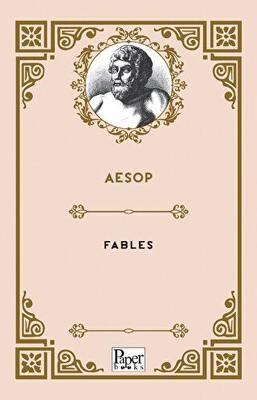
Fables
AesopPaper Books
Fables
AesopAesop s Fables or the Aesopica is a collection of fables credited to Aesop a slave and storyteller who lived in ancient Greece between 620 and 564 BCE Of diverse origins the stories associated with his name have descended to modern times through a number of sources and continue to be reinterpreted in different verbal registers and in popular as well as artistic media The fables originally belonged to oral tradition and were not collected for some three centuries after Aesop s death By that time a variety of other stories jokes and proverbs were being ascribed to him although some of that material was from sources earlier than him or came from beyond the Greek cultural sphere The process of inclusion has continued until the present with some of the fables unrecorded before the Late Middle Ages and others arriving from outside Europe The process is continuous and new stories are still being added to the Aesop corpus even when they are demonstrably more recent work and sometimes from known authors
Paper Books
Aesop s Fables or the Aesopica is a collection of fables credited to Aesop a slave and storyteller who lived in ancient Greece between 620 and 564 BCE Of diverse origins the stories associated with his name have descended to modern times through a number of sources and continue to be reinterpreted in different verbal registers and in popular as well as artistic media The fables originally belonged to oral tradition and were not collected for some three centuries after Aesop s death By that time a variety of other stories jokes and proverbs were being ascribed to him although some of that material was from sources earlier than him or came from beyond the Greek cultural sphere The process of inclusion has continued until the present with some of the fables unrecorded before the Late Middle Ages and others arriving from outside Europe The process is continuous and new stories are still being added to the Aesop corpus even when they are demonstrably more recent work and sometimes from known authors
Paper Books
Aesop s Fables or the Aesopica is a collection of fables credited to Aesop a slave and storyteller who lived in ancient Greece between 620 and 564 BCE Of diverse origins the stories associated with his name have descended to modern times through a number of sources and continue to be reinterpreted in different verbal registers and in popular as well as artistic media The fables originally belonged to oral tradition and were not collected for some three centuries after Aesop s death By that time a variety of other stories jokes and proverbs were being ascribed to him although some of that material was from sources earlier than him or came from beyond the Greek cultural sphere The process of inclusion has continued until the present with some of the fables unrecorded before the Late Middle Ages and others arriving from outside Europe The process is continuous and new stories are still being added to the Aesop corpus even when they are demonstrably more recent work and sometimes from known authors
Paper Books
Aesop s Fables or the Aesopica is a collection of fables credited to Aesop a slave and storyteller who lived in ancient Greece between 620 and 564 BCE Of diverse origins the stories associated with his name have descended to modern times through a number of sources and continue to be reinterpreted in different verbal registers and in popular as well as artistic media The fables originally belonged to oral tradition and were not collected for some three centuries after Aesop s death By that time a variety of other stories jokes and proverbs were being ascribed to him although some of that material was from sources earlier than him or came from beyond the Greek cultural sphere The process of inclusion has continued until the present with some of the fables unrecorded before the Late Middle Ages and others arriving from outside Europe The process is continuous and new stories are still being added to the Aesop corpus even when they are demonstrably more recent work and sometimes from known authors
Oxford University Press - Classics
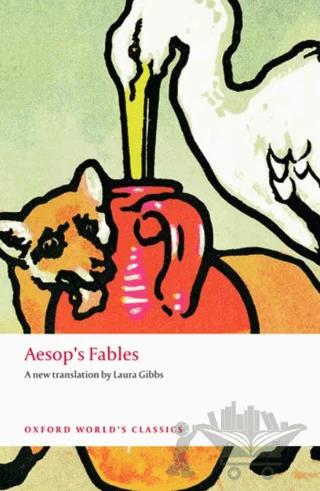
The fables of Aesop have become one of the most enduring traditions of European culture ever since they were first written down nearly two millennia ago Aesop was reputedly a tongue tied slave who miraculously received the power of speech from his legendary storytelling came the collections of prose and verse fables scattered throughout Greek and Roman literature First published in English by Caxton in 1484 the fables and their morals continue to charm modern readers who does not know the story of the tortoise and the hare or the boy who cried wolf This new translation is the first to represent all the main fable collections in ancient Latin and Greek arranged according to the fables contents and themes It includes 600 fables many of which come from sources never before translated into English
Oxford University Press - Classics
The fables of Aesop have become one of the most enduring traditions of European culture ever since they were first written down nearly two millennia ago Aesop was reputedly a tongue tied slave who miraculously received the power of speech from his legendary storytelling came the collections of prose and verse fables scattered throughout Greek and Roman literature First published in English by Caxton in 1484 the fables and their morals continue to charm modern readers who does not know the story of the tortoise and the hare or the boy who cried wolf This new translation is the first to represent all the main fable collections in ancient Latin and Greek arranged according to the fables contents and themes It includes 600 fables many of which come from sources never before translated into English
Oxford University Press - Classics
The fables of Aesop have become one of the most enduring traditions of European culture ever since they were first written down nearly two millennia ago Aesop was reputedly a tongue tied slave who miraculously received the power of speech from his legendary storytelling came the collections of prose and verse fables scattered throughout Greek and Roman literature First published in English by Caxton in 1484 the fables and their morals continue to charm modern readers who does not know the story of the tortoise and the hare or the boy who cried wolf This new translation is the first to represent all the main fable collections in ancient Latin and Greek arranged according to the fables contents and themes It includes 600 fables many of which come from sources never before translated into English