Fathers and Sons — Ivan Turgenev
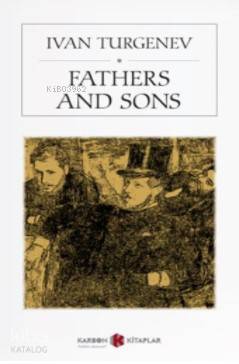
Fathers and Sons
Ivan TurgenevKarbon Kitaplar
Fathers and Sons
Ivan TurgenevI strongly believe that if you want to start reading classical Russian literature this is the book you should start from In my opinion this book wonderfully portrays the life of Russian people in the nineteenth century you re gradually introduced to the mentality and traditions of characters in this age The Guardian In Bazarov he crystallized the character of Nihilism he also drew and clarified some dichotomies in personality morality and society Daily Kos
Paper Books
Fathers and Sons is an 1862 novel by Ivan Turgenev published in Moscow It is one of the most acclaimed Russian novels of the 19th century Arkady Kirsanov has just graduated from the University of Petersburg He returns with a friend Bazarov to his father s modest estate in an outlying province of Russia His father Nikolay gladly receives the two young men at his estate called Marino but Nikolay s brother Pavel soon becomes upset by the strange new philosophy called nihilism which the young men especially Bazarov advocate Nikolay initially delighted to have his son return home slowly begins to feel uneasy A certain awkwardness develops in his regard toward his son as Arkady s radical views much influenced by Bazarov make Nikolay s own beliefs feel dated Nikolay has always tried to stay as current as possible by doing things such as visiting his son at school so the two can stay as close as they can but this in Nikolay s eyes has failed To complicate this the father has taken a servant Fenechka into his house to live with him and has already had a son by her named Mitya Arkady however is not troubled by the relationship on the contrary he is delighted by the addition of a younger brother
Paper Books
Fathers and Sons is an 1862 novel by Ivan Turgenev published in Moscow It is one of the most acclaimed Russian novels of the 19th century Arkady Kirsanov has just graduated from the University of Petersburg He returns with a friend Bazarov to his father s modest estate in an outlying province of Russia His father Nikolay gladly receives the two young men at his estate called Marino but Nikolay s brother Pavel soon becomes upset by the strange new philosophy called nihilism which the young men especially Bazarov advocate Nikolay initially delighted to have his son return home slowly begins to feel uneasy A certain awkwardness develops in his regard toward his son as Arkady s radical views much influenced by Bazarov make Nikolay s own beliefs feel dated Nikolay has always tried to stay as current as possible by doing things such as visiting his son at school so the two can stay as close as they can but this in Nikolay s eyes has failed To complicate this the father has taken a servant Fenechka into his house to live with him and has already had a son by her named Mitya Arkady however is not troubled by the relationship on the contrary he is delighted by the addition of a younger brother
Paper Books
Fathers and Sons is an 1862 novel by Ivan Turgenev published in Moscow It is one of the most acclaimed Russian novels of the 19th century Arkady Kirsanov has just graduated from the University of Petersburg He returns with a friend Bazarov to his father s modest estate in an outlying province of Russia His father Nikolay gladly receives the two young men at his estate called Marino but Nikolay s brother Pavel soon becomes upset by the strange new philosophy called nihilism which the young men especially Bazarov advocate Nikolay initially delighted to have his son return home slowly begins to feel uneasy A certain awkwardness develops in his regard toward his son as Arkady s radical views much influenced by Bazarov make Nikolay s own beliefs feel dated Nikolay has always tried to stay as current as possible by doing things such as visiting his son at school so the two can stay as close as they can but this in Nikolay s eyes has failed To complicate this the father has taken a servant Fenechka into his house to live with him and has already had a son by her named Mitya Arkady however is not troubled by the relationship on the contrary he is delighted by the addition of a younger brother
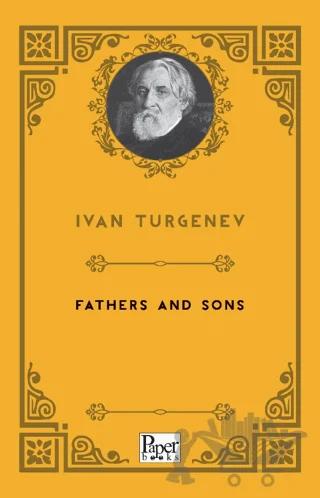
Paper Books
Fathers and Sons is an 1862 novel by Ivan Turgenev published in Moscow It is one of the most acclaimed Russian novels of the 19th century Arkady Kirsanov has just graduated from the University of Petersburg He returns with a friend Bazarov to his father s modest estate in an outlying province of Russia His father Nikolay gladly receives the two young men at his estate called Marino but Nikolay s brother Pavel soon becomes upset by the strange new philosophy called nihilism which the young men especially Bazarov advocate Nikolay initially delighted to have his son return home slowly begins to feel uneasy A certain awkwardness develops in his regard toward his son as Arkady s radical views much influenced by Bazarov make Nikolay s own beliefs feel dated Nikolay has always tried to stay as current as possible by doing things such as visiting his son at school so the two can stay as close as they can but this in Nikolay s eyes has failed To complicate this the father has taken a servant Fenechka into his house to live with him and has already had a son by her named Mitya Arkady however is not troubled by the relationship on the contrary he is delighted by the addition of a younger brother
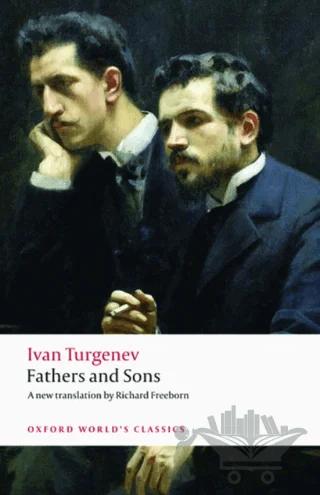
Oxford University Press - Classics
Turgenev s masterpiece about the conflict between generations is as fresh outspoken and exciting today as it was in when it was first published in 1862 The controversial portrait of Bazarov the energetic cynical and self assured nihilist who repudiates the romanticism of his elders shook Russian society Indeed the image of humanity liberated by science from age old conformities and prejudices is one that can threaten establishments of any political or religious persuasion and is especially potent in the modern era This new translation specially commissioned for the World s Classics is the first to draw on Turgenev s working manuscript which only came to light in 1988
Oxford University Press - Classics
Turgenev s masterpiece about the conflict between generations is as fresh outspoken and exciting today as it was in when it was first published in 1862 The controversial portrait of Bazarov the energetic cynical and self assured nihilist who repudiates the romanticism of his elders shook Russian society Indeed the image of humanity liberated by science from age old conformities and prejudices is one that can threaten establishments of any political or religious persuasion and is especially potent in the modern era This new translation specially commissioned for the World s Classics is the first to draw on Turgenev s working manuscript which only came to light in 1988