Governing Islam in France and Russia — Hakan Erdagöz

Governing Islam in France and Russia
Hakan ErdagözNobel Bilimsel Eserler
Governing Islam in France and Russia
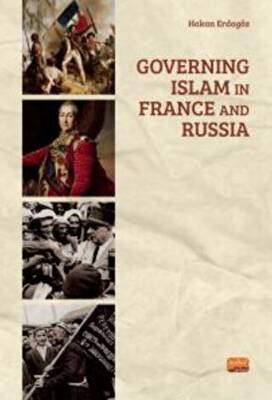
Hakan ErdagözWhy are some religious minorities seen as an existential threat and securitized by their state while others turn out to be patriotic and loyal to their state Why do states vary in their capability of incorporating Muslim minorities into national political community This book examines how and why the dynamics of religious difference and national identity shape state policies toward the accommodation of minorities in secular Christian majority countries with large Muslim populations such as France and Russia It addresses these questions by drawing on the unintended consequences of nation and state building collective memories of solidarity and violence and globalization Definition of a thick national identity based on a nation state model collective memories of violence and racialization of Muslims and the diffusing effects of global Islam produced a way of thinking that Islam is not compatible with the French way of living Conversely definition of a thin national identity based on an empire state building model collective memories of violence and solidarity accompanied by the recognition of Muslims and the diffusing effects of global Islam produced a relatively more positive way of thinking that Islam is part of the Russian national political community
Nobel Bilimsel Eserler
Why are some religious minorities seen as an existential threat and securitized by their state while others turn out to be patriotic and loyal to their state Why do states vary in their capability of incorporating Muslim minorities into national political community This book examines how and why the dynamics of religious difference and national identity shape state policies toward the accommodation of minorities in secular Christian majority countries with large Muslim populations such as France and Russia It addresses these questions by drawing on the unintended consequences of nation and state building collective memories of solidarity and violence and globalization Definition of a thick national identity based on a nation state model collective memories of violence and racialization of Muslims and the diffusing effects of global Islam produced a way of thinking that Islam is not compatible with the French way of living Conversely definition of a thin national identity based on an empire state building model collective memories of violence and solidarity accompanied by the recognition of Muslims and the diffusing effects of global Islam produced a relatively more positive way of thinking that Islam is part of the Russian national political community

Nobel Bilimsel Eserler
Why are some religious minorities seen as an existential threat and securitized by their state while others turn out to be patriotic and loyal to their state Why do states vary in their capability of incorporating Muslim minorities into national political community This book examines how and why the dynamics of religious difference and national identity shape state policies toward the accommodation of minorities in secular Christian majority countries with large Muslim populations such as France and Russia It addresses these questions by drawing on the unintended consequences of nation and state building collective memories of solidarity and violence and globalization Definition of a thick national identity based on a nation state model collective memories of violence and racialization of Muslims and the diffusing effects of global Islam produced a way of thinking that Islam is not compatible with the French way of living Conversely definition of a thin national identity based on an empire state building model collective memories of violence and solidarity accompanied by the recognition of Muslims and the diffusing effects of global Islam produced a relatively more positive way of thinking that Islam is part of the Russian national political community
Nobel Bilimsel Eserler
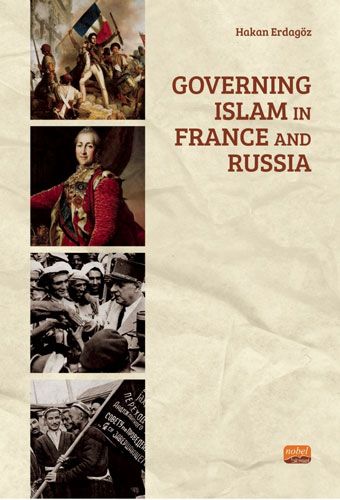
Hakan Erdagöz tarafından kaleme alınan Governing Islam in France and Russia Nobel Bilimsel Eserler eseri olarak okurlarla buluşuyor Governing Islam in France and Russia Hakan Erdagöz Kitap Özeti Why are some religious minorities seen as an existential threat and securitized by their state while others turn out to be patriotic and loyal to their state Why do states vary in their capability of incorporating Muslim minorities into national political community This book examines how and why the dynamics of religious difference and national identity shape state policies toward the accommodation of minorities in secular Christian majority countries with large Muslim populations such as France and Russia It addresses these questions by drawing on the unintended consequences of nation and state building collective memories of solidarity and violence and globalization Definition of a thick national identity based on a nation state model collective memories of violence and racialization of Muslims and the diffusing effects of global Islam produced a way of thinking that Islam is not compatible with the French way of living Conversely definition of a thin national identity based on an empire state building model collective memories of violence and solidarity accompanied by the recognition of Muslims and the diffusing effects of global Islam produced a relatively more positive way of thinking that Islam is part of the Russian national political community Yayınevi Nobel Bilimsel Eserler Yazar Hakan Erdagöz Sayfa 292 Sayfa Kağıt 2 Hamur Boyut 16 00x23 50 cm Basım Yılı Temmuz 2022 Barkod 9786254335006 Kategori Araştırma İnceleme Diğer Politikat Siyaset Kurumlar Örgütler Uluslararası İlişkiler Dış Politika
Nobel Bilimsel Eserler
Why are some religious minorities seen as an existential threat and securitized by their state while others turn out to be patriotic and loyal to their state Why do states vary in their capability of incorporating Muslim minorities into national political community This book examines how and why the dynamics of religious difference and national identity shape state policies toward the accommodation of minorities in secular Christian majority countries with large Muslim populations such as France and Russia It addresses these questions by drawing on the unintended consequences of nation and state building collective memories of solidarity and violence and globalization Definition of a thick national identity based on a nation state model collective memories of violence and racialization of Muslims and the diffusing effects of global Islam produced a way of thinking that Islam is not compatible with the French way of living Conversely definition of a thin national identity based on an empire state building model collective memories of violence and solidarity accompanied by the recognition of Muslims and the diffusing effects of global Islam produced a relatively more positive way of thinking that Islam is part of the Russian national political community