Highly Skilled Immigrants Science Cities and Japan — Gökberk Durmaz
Highly Skilled Immigrants Science Cities and Japan
Gökberk DurmazNobel Bilimsel Eserler
Highly Skilled Immigrants Science Cities and Japan
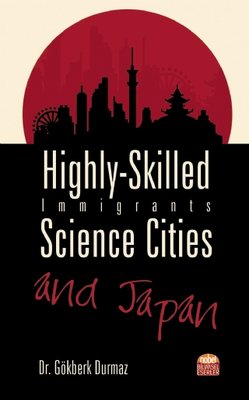
Gökberk DurmazAn aging society and a stable economy have forced Japan to receive more immigrants and to open its doors to the world in contrast to the nation s historical distancing away from internationalization and immigration Although the country is struggling with a labor shortage in almost all sectors the main target of its immigration policy has always been highly skilled and low skilled labor rather than unskilled ones Historically the country has tried many different ways to attract more qualified immigrants In the late 20th century the country decided to increase the reputation of its universities and research institutions with research parks and science cities which could be useful tools to enhance technology and knowledge transfer In this context Tsukuba Science City was created and promoted by the Japanese central government As this book argues Japan is using science cities to attract more qualified highly skilled immigrants by facilitating them with a scientific environment However is it enough to attract international highly skilled researchers with only physical infrastructure What other factors can be effective in swaying people s decisions to immigrate What do international immigrants really experience This book uncovers unheard voices of highly skilled immigrants in Tsukuba Science City Japan which will help to understand the experiences of academic immigrants from the immigrants views centered on a phenomenological perspective of social cultural anthropology Only then the role of highly skilled immigrants in generating a Japanese science city could be truly understood Tanıtım Bülteninden
Nobel Bilimsel Eserler
An aging society and a stable economy have forced Japan to receive more immigrants and to open its doors to the world in contrast to the nation s historical distancing away from internationalization and immigration Although the country is struggling with a labor shortage in almost all sectors the main target of its immigration policy has always been highly skilled and low skilled labor rather than unskilled ones Historically the country has tried many different ways to attract more qualified immigrants In the late 20th century the country decided to increase the reputation of its universities and research institutions with research parks and science cities which could be useful tools to enhance technology and knowledge transfer In this context Tsukuba Science City was created and promoted by the Japanese central government As this book argues Japan is using science cities to attract more qualified highly skilled immigrants by facilitating them with a scientific environment However is it enough to attract international highly skilled researchers with only physical infrastructure What other factors can be effective in swaying people s decisions to immigrate What do international immigrants really experience This book uncovers unheard voices of highly skilled immigrants in Tsukuba Science City Japan which will help to understand the experiences of academic immigrants from the immigrants views centered on a phenomenological perspective of social cultural anthropology Only then the role of highly skilled immigrants in generating a Japanese science city could be truly understood
Nobel Bilimsel Eserler
An aging society and a stable economy have forced Japan to receive more immigrants and to open its doors to the world in contrast to the nation s historical distancing away from internationalization and immigration Although the country is struggling with a labor shortage in almost all sectors the main target of its immigration policy has always been highly skilled and low skilled labor rather than unskilled ones Historically the country has tried many different ways to attract more qualified immigrants In the late 20th century the country decided to increase the reputation of its universities and research institutions with research parks and science cities which could be useful tools to enhance technology and knowledge transfer In this context Tsukuba Science City was created and promoted by the Japanese central government As this book argues Japan is using science cities to attract more qualified highly skilled immigrants by facilitating them with a scientific environment However is it enough to attract international highly skilled researchers with only physical infrastructure What other factors can be effective in swaying people s decisions to immigrate What do international immigrants really experience This book uncovers unheard voices of highly skilled immigrants in Tsukuba Science City Japan which will help to understand the experiences of academic immigrants from the immigrants views centered on a phenomenological perspective of social cultural anthropology Only then the role of highly skilled immigrants in generating a Japanese science city could be truly understood
Nobel Bilimsel Eserler
An aging society and a stable economy have forced Japan to receive more immigrants and to open its doors to the world in contrast to the nation s historical distancing away from internationalization and immigration Although the country is struggling with a labor shortage in almost all sectors the main target of its immigration policy has always been highly skilled and low skilled labor rather than unskilled ones Historically the country has tried many different ways to attract more qualified immigrants In the late 20th century the country decided to increase the reputation of its universities and research institutions with research parks and science cities which could be useful tools to enhance technology and knowledge transfer In this context Tsukuba Science City was created and promoted by the Japanese central government As this book argues Japan is using science cities to attract more qualified highly skilled immigrants by facilitating them with a scientific environment However is it enough to attract international highly skilled researchers with only physical infrastructure What other factors can be effective in swaying people s decisions to immigrate What do international immigrants really experience This book uncovers unheard voices of highly skilled immigrants in Tsukuba Science City Japan which will help to understand the experiences of academic immigrants from the immigrants views centered on a phenomenological perspective of social cultural anthropology Only then the role of highly skilled immigrants in generating a Japanese science city could be truly understood