Human Rights In The Ottoman Reform — Muhammed Said Bilal Recep Şentürk
Human Rights In The Ottoman Reform
Muhammed Said Bilal Recep Şentürkİbn Haldun Üniversitesi Yayınları
Human Rights In The Ottoman Reform
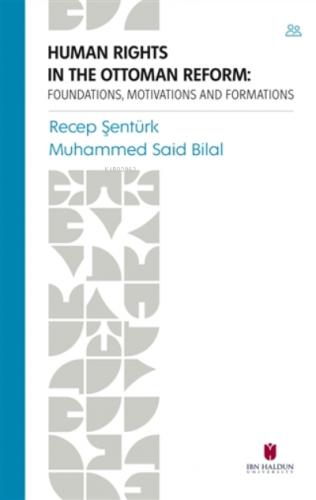
Muhammed Said Bilal Recep ŞentürkThis book argues that the late Ottoman constitutional reforms i were carried out as a consequence of the metamorphosis of the Empire into a modern state ii were considerably in favour of the bureaucratic class iii were paying regard to the expectations of the Ottoman and the Western public and most importantly iv had been in conformity with Islamic jurisprudence The constitutional reforms in the late Ottoman Empire on fundamental rights and freedoms were an idiosyncratic reflection of a trans regional political paradigm shift Most of the reforms were carried out in conformity with Islamic jurisprudence that had been continuously implemented in the Ottoman judicial system for centuries The majority of the legislation was nothing but a codification of Islamic principles of jurisprudence Yet some of them were quite new to the system such as legislation on imprisonment and custody Nevertheless these new systems were adapted to Islamic jurisprudence Moreover the new regime of the protection of human rights brought an innovation to the judicial system concerning bureaucrats fundamental rights These reforms reflected a significant effort for the adjustment of the new Ottoman administrative practices to the principles of Islamic jurisprudence
İbn Haldun Üniversitesi Yayınları
This book argues that the late Ottoman constitutional reforms i were carried out as a consequence of the metamorphosis of the Empire into a modern state ii were considerably in favour of the bureaucratic class iii were paying regard to the expectations of the Ottoman and the Western public and most importantly iv had been in conformity with Islamic jurisprudence The constitutional reforms in the late Ottoman Empire on fundamental rights and freedoms were an idiosyncratic reflection of a trans regional political paradigm shift Most of the reforms were carried out in conformity with Islamic jurisprudence that had been continuously implemented in the Ottoman judicial system for centuries The majority of the legislation was nothing but a codification of Islamic principles of jurisprudence Yet some of them were quite new to the system such as legislation on imprisonment and custody Nevertheless these new systems were adapted to Islamic jurisprudence Moreover the new regime of the protection of human rights brought an innovation to the judicial system concerning bureaucrats fundamental rights These reforms reflected a significant effort for the adjustment of the new Ottoman administrative practices to the principles of Islamic jurisprudence
İbn Haldun Üniversitesi Yayınları
This book argues that the late Ottoman constitutional reforms i were carried out as a consequence of the metamorphosis of the Empire into a modern state ii were considerably in favour of the bureaucratic class iii were paying regard to the expectations of the Ottoman and the Western public and most importantly iv had been in conformity with Islamic jurisprudence The constitutional reforms in the late Ottoman Empire on fundamental rights and freedoms were an idiosyncratic reflection of a trans regional political paradigm shift Most of the reforms were carried out in conformity with Islamic jurisprudence that had been continuously implemented in the Ottoman judicial system for centuries The majority of the legislation was nothing but a codification of Islamic principles of jurisprudence Yet some of them were quite new to the system such as legislation on imprisonment and custody Nevertheless these new systems were adapted to Islamic jurisprudence Moreover the new regime of the protection of human rights brought an innovation to the judicial system concerning bureaucrats fundamental rights These reforms reflected a significant effort for the adjustment of the new Ottoman administrative practices to the principles of Islamic jurisprudence

İbn Haldun Üniversitesi Yayınları
This book argues that the late Ottoman constitutional reforms i were carried out as a consequence of the metamorphosis of the Empire into a modern state ii were considerably in favour of the bureaucratic class iii were paying regard to the expectations of the Ottoman and the Western public and most importantly iv had been in conformity with Islamic jurisprudence The constitutional reforms in the late Ottoman Empire on fundamental rights and freedoms were an idiosyncratic reflection of a trans regional political paradigm shift Most of the reforms were carried out in conformity with Islamic jurisprudence that had been continuously implemented in the Ottoman judicial system for centuries The majority of the legislation was nothing but a codification of Islamic principles of jurisprudence Yet some of them were quite new to the system such as legislation on imprisonment and custody Nevertheless these new systems were adapted to Islamic jurisprudence Moreover the new regime of the protection of human rights brought an innovation to the judicial system concerning bureaucrats fundamental rights These reforms reflected a significant effort for the adjustment of the new Ottoman administrative practices to the principles of Islamic jurisprudence
İbn Haldun Üniversitesi Yayınları
This book argues that the late Ottoman constitutional reforms i were carried out as a consequence of the metamorphosis of the Empire into a modern state ii were considerably in favour of the bureaucratic class iii were paying regard to the expectations of the Ottoman and the Western public and most importantly iv had been in conformity with Islamic jurisprudence The constitutional reforms in the late Ottoman Empire on fundamental rights and freedoms were an idiosyncratic reflection of a trans regional political paradigm shift Most of the reforms were carried out in conformity with Islamic jurisprudence that had been continuously implemented in the Ottoman judicial system for centuries The majority of the legislation was nothing but a codification of Islamic principles of jurisprudence Yet some of them were quite new to the system such as legislation on imprisonment and custody Nevertheless these new systems were adapted to Islamic jurisprudence Moreover the new regime of the protection of human rights brought an innovation to the judicial system concerning bureaucrats fundamental rights These reforms reflected a significant effort for the adjustment of the new Ottoman administrative practices to the principles of Islamic jurisprudence
İbn Haldun Üniversitesi Yayınları
This book argues that the late Ottoman constitutional reforms i were carried out as a consequence of the metamorphosis of the Empire into a modern state ii were considerably in favour of the bureaucratic class iii were paying regard to the expectations of the Ottoman and the Western public and most importantly iv had been in conformity with Islamic jurisprudence The constitutional reforms in the late Ottoman Empire on fundamental rights and freedoms were an idiosyncratic reflection of a trans regional political paradigm shift Most of the reforms were carried out in conformity with Islamic jurisprudence that had been continuously implemented in the Ottoman judicial system for centuries The majority of the legislation was nothing but a codification of Islamic principles of jurisprudence Yet some of them were quite new to the system such as legislation on imprisonment and custody Nevertheless these new systems were adapted to Islamic jurisprudence Moreover the new regime of the protection of human rights brought an innovation to the judicial system concerning bureaucrats fundamental rights These reforms reflected a significant effort for the adjustment of the new Ottoman administrative practices to the principles of Islamic jurisprudence
İbn Haldun Üniversitesi Yayınları
This book argues that the late Ottoman constitutional reforms i were carried out as a consequence of the metamorphosis of the Empire into a modern state ii were considerably in favour of the bureaucratic class iii were paying regard to the expectations of the Ottoman and the Western public and most importantly iv had been in conformity with Islamic jurisprudence The constitutional reforms in the late Ottoman Empire on fundamental rights and freedoms were an idiosyncratic reflection of a trans regional political paradigm shift Most of the reforms were carried out in conformity with Islamic jurisprudence that had been continuously implemented in the Ottoman judicial system for centuries The majority of the legislation was nothing but a codification of Islamic principles of jurisprudence Yet some of them were quite new to the system such as legislation on imprisonment and custody Nevertheless these new systems were adapted to Islamic jurisprudence Moreover the new regime of the protection of human rights brought an innovation to the judicial system concerning bureaucrats fundamental rights These reforms reflected a significant effort for the adjustment of the new Ottoman administrative practices to the principles of Islamic jurisprudence
İbn Haldun Üniversitesi Yayınları
Recep Şentürk tarafından kaleme alınan Human Rights In The Ottoman Reform İbn Haldun Üniversitesi Yayınları eseri olarak okurlarla buluşuyor Human Rights In The Ottoman Reform Recep Şentürk Kitap Özeti This book argues that the late Ottoman constitutional reforms i were carried out as a consequence of the metamorphosis of the Empire into a modern state ii were considerably in favour of the bureaucratic class iii were paying regard to the expectations of the Ottoman and the Western public and most importantly iv had been in conformity with Islamic jurisprudence The constitutional reforms in the late Ottoman Empire on fundamental rights and freedoms were an idiosyncratic reflection of a trans regional political paradigm shift Most of the reforms were carried out in conformity with Islamic jurisprudence that had been continuously implemented in the Ottoman judicial system for centuries The majority of the legislation was nothing but a codification of Islamic principles of jurisprudence Yet some of them were quite new to the system such as legislation on imprisonment and custody Nevertheless these new systems were adapted to Islamic jurisprudence Moreover the new regime of the protection of human rights brought an innovation to the judicial system concerning bureaucrats fundamental rights These reforms reflected a significant effort for the adjustment of the new Ottoman administrative practices to the principles of Islamic jurisprudence Yayınevi İbn Haldun Üniversitesi Yayınları Yazar Recep Şentürk Sayfa 368 Sayfa Kağıt 2 Hamur Boyut 14 00x21 00 cm Basım Yılı Nisan 2020 Barkod 9786058075269 Kategori Araştırma İnceleme Osmanlı Tarihi