Kant Causality And Freedom — Güven Özdoyran
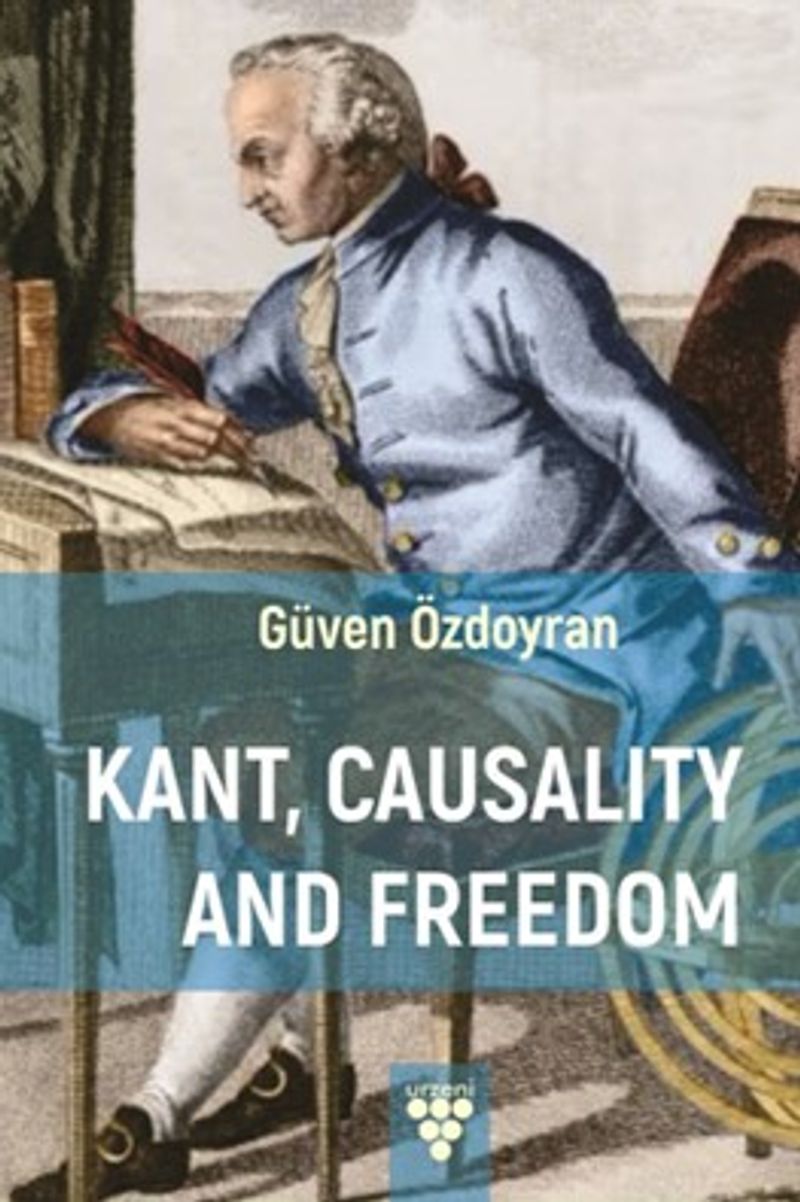
Kant Causality And Freedom
Güven ÖzdoyranURZENİ
Kant Causality And Freedom
Güven ÖzdoyranThe central concern of this book is the reconciliation of freedom and natural causality and an investigation into how Kant creates conceptual space for the idea of freedom In the Analytic Kant first establishes the conditions of knowledge upon which the objective validity of the law of causality is entirely founded This foundational process also delineates the limits of possible experience In contrast within the Dialectic Kant postulates freedom as a noumenal cause existing alongside the law of causality In this framework transcendental freedom emerges as a problematic concept that transcends the bounds of experience and appears to disrupt the unity of experience Nevertheless Kant relinquishes neither the law of causality nor the idea of freedom Rather he insists that the two can coexist without contradiction by asserting the distinction between phenomena and noumena as distinct domains upon which these two types of causality respectively rest According to Kant both are indispensable causality is necessary for knowledge while freedom is absolutely essential for morality Within this context this book aims to explicate the objective validity of natural causality as demonstrated in the Second Analogy and the transcendental foundation of the idea of freedom as developed in Kants solution to the Third Antinomy in the Critique of Pure Reason Furthermore it examines whether Kants proposed reconciliation of these two concepts is both satisfactory and philosophically legitimate
Sarmal Kitabevi
The central concern of this book is the reconciliation of freedom and natural causality and an investigation into how Kant creates conceptual space for the idea of freedom In the Analytic Kant first establishes the conditions of knowledge upon which the objective validity of the law of causality is entirely founded This foundational process also delineates the limits of possible experience In contrast within the Dialectic Kant postulates freedom as a noumenal cause existing alongside the law of causality In this framework transcendental freedom emerges as a problematic concept that transcends the bounds of experience and appears to disrupt the unity of experience Nevertheless Kant relinquishes neither the law of causality nor the idea of freedom Rather he insists that the two can coexist without contradiction by asserting the distinction between phenomena and noumena as distinct domains upon which these two types of causality respectively rest According to Kant both are indispensable causality is necessary for knowledge while freedom is absolutely essential for morality Within this context this book aims to explicate the objective validity of natural causality as demonstrated in the Second Analogy and the transcendental foundation of the idea of freedom as developed in Kants solution to the Third Antinomy in the Critique of Pure Reason Furthermore it examines whether Kants proposed reconciliation of these two concepts is both satisfactory and philosophically legitimate
Urzeni Yayıncılık
Güven Özdoyran tarafından kaleme alınan Kant Causality And Freedom Urzeni Yayıncılık eseri olarak okurlarla buluşuyor Kant Causality And Freedom Güven Özdoyran Kitap Özeti The central concern of this book is the reconciliation of freedom and natural causality and an investigation into how Kant creates conceptual space for the idea of freedom In the Analytic Kant first establishes the conditions of knowledge upon which the objective validity of the law of causality is entirely founded This foundational process also delineates the limits of possible experience In contrast within the Dialectic Kant postulates freedom as a noumenal cause existing alongside the law of causality In this framework transcendental freedom emerges as a problematic concept that transcends the bounds of experience and appears to disrupt the unity of experience Nevertheless Kant relinquishes neither the law of causality nor the idea of freedom Rather he insists that the two can coexist without contradiction by asserting the distinction between phenomena and noumena as distinct domains upon which these two types of causality respectively rest According to Kant both are indispensable causality is necessary for knowledge while freedom is absolutely essential for morality Within this context this book aims to explicate the objective validity of natural causality as demonstrated in the Second Analogy and the transcendental foundation of the idea of freedom as developed in Kants solution to the Third Antinomy in the Critique of Pure Reason Furthermore it examines whether Kants proposed reconciliation of these two concepts is both satisfactory and philosophically legitimate Yayınevi Urzeni Yayıncılık Yazar Güven Özdoyran Sayfa 152 Sayfa Kağıt 2 Hamur Boyut 13 00x19 00 cm Basım Yılı Nisan 2025 Barkod 9786255518552 Kategori Düşünce Felsefi Akımlar
Urzeni Yayıncılık
The central concern of this book is the reconciliation of freedom and natural causality and an investigation into how Kant creates conceptual space for the idea of freedom In the Analytic Kant first establishes the conditions of knowledge upon which the objective validity of the law of causality is entirely founded This foundational process also delineates the limits of possible experience In contrast within the Dialectic Kant postulates freedom as a noumenal cause existing alongside the law of causality In this framework transcendental freedom emerges as a problematic concept that transcends the bounds of experience and appears to disrupt the unity of experience Nevertheless Kant relinquishes neither the law of causality nor the idea of freedom Rather he insists that the two can coexist without contradiction by asserting the distinction between phenomena and noumena as distinct domains upon which these two types of causality respectively rest According to Kant both are indispensable causality is necessary for knowledge while freedom is absolutely essential for morality Within this context this book aims to explicate the objective validity of natural causality as demonstrated in the Second Analogy and the transcendental foundation of the idea of freedom as developed in Kants solution to the Third Antinomy in the Critique of Pure Reason Furthermore it examines whether Kants proposed reconciliation of these two concepts is both satisfactory and philosophically legitimate
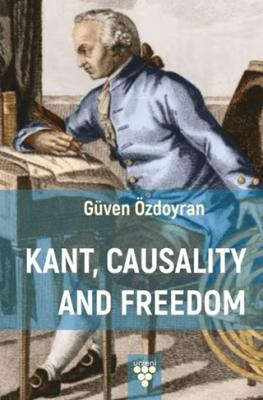
Urzeni Yayıncılık
The central concern of this book is the reconciliation of freedom and natural causality and an investigation into how Kant creates conceptual space for the idea of freedom In the Analytic Kant first establishes the conditions of knowledge upon which the objective validity of the law of causality is entirely founded This foundational process also delineates the limits of possible experience In contrast within the Dialectic Kant postulates freedom as a noumenal cause existing alongside the law of causality In this framework transcendental freedom emerges as a problematic concept that transcends the bounds of experience and appears to disrupt the unity of experience Nevertheless Kant relinquishes neither the law of causality nor the idea of freedom Rather he insists that the two can coexist without contradiction by asserting the distinction between phenomena and noumena as distinct domains upon which these two types of causality respectively rest According to Kant both are indispensable causality is necessary for knowledge while freedom is absolutely essential for morality Within this context this book aims to explicate the objective validity of natural causality as demonstrated in the Second Analogy and the transcendental foundation of the idea of freedom as developed in Kants solution to the Third Antinomy in the Critique of Pure Reason Furthermore it examines whether Kants proposed reconciliation of these two concepts is both satisfactory and philosophically legitimate
Urzeni Yayıncılık
The central concern of this book is the reconciliation of freedom and natural causality and an investigation into how Kant creates conceptual space for the idea of freedom In the Analytic Kant first establishes the conditions of knowledge upon which the objective validity of the law of causality is entirely founded This foundational process also delineates the limits of possible experience In contrast within the Dialectic Kant postulates freedom as a noumenal cause existing alongside the law of causality In this framework transcendental freedom emerges as a problematic concept that transcends the bounds of experience and appears to disrupt the unity of experience Nevertheless Kant relinquishes neither the law of causality nor the idea of freedom Rather he insists that the two can coexist without contradiction by asserting the distinction between phenomena and noumena as distinct domains upon which these two types of causality respectively rest According to Kant both are indispensable causality is necessary for knowledge while freedom is absolutely essential for morality Within this context this book aims to explicate the objective validity of natural causality as demonstrated in the Second Analogy and the transcendental foundation of the idea of freedom as developed in Kants solution to the Third Antinomy in the Critique of Pure Reason Furthermore it examines whether Kants proposed reconciliation of these two concepts is both satisfactory and philosophically legitimate