Karamanlıdıka Studies — Evangelia Balta
Karamanlıdıka Studies
Evangelia BaltaKoç Üniversitesi Yayınları
Karamanlıdıka Studies
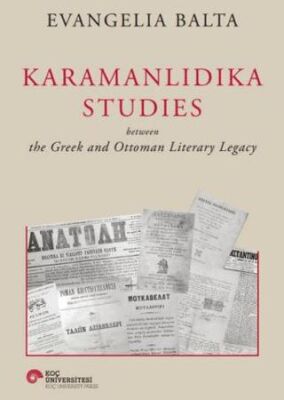
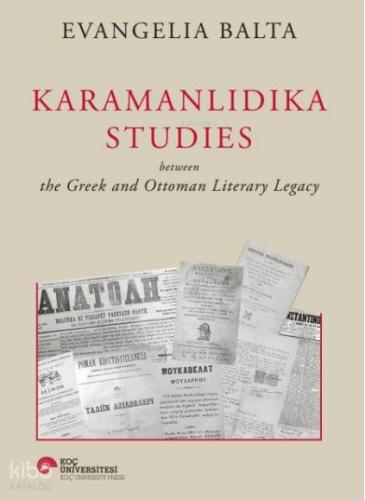
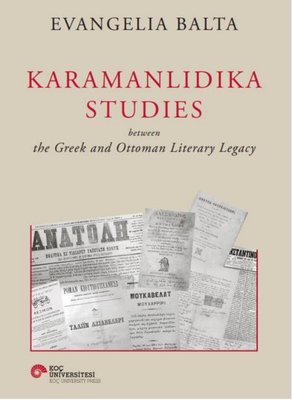
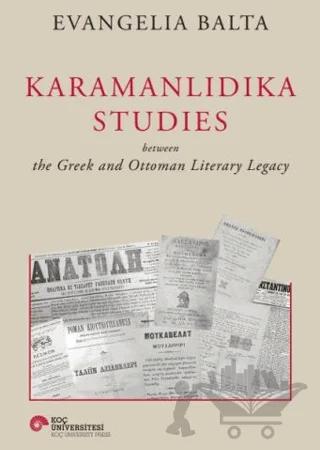
Evangelia BaltaThis collection gathers the recent studies of Evangelia Balta who has contributed since 1978 to the growing interest in Karamanlidika Studies through her research and publications This interdisciplinary field a branch of Ottoman Studies covers history literature anthropology and linguistics exploring topics related to the history and culture of the Karamanlis or Karamanlidhes the Turkish speaking Orthodox Anatolians who settled in Greece after the Treaty of Lausanne 1923 As one of the many non Muslim groups that made up multi cultural Ottoman society Karamanlidhes from the beginning of the eighteenth century defined themselves and left their ethnoreligious cultural traces on the Ottoman legacy through their publications in Turkish using the Greek alphabet Their book production was a vehicle for circulating cultural goods produced in the Empire Europe and the Greek Kingdom It also served as a bridge between the Ottoman world and Greek education after the emergence of nationalism The volume Karamanlidika Studies between the Greek and Ottoman Literary Legacy explores the perception of various cultures by the Orthodox Rums and opens up new areas of discussion on refugee poetry as well as the life and work of the authors editors and translators of Karamanlidika books Furthermore it spurs the search for unknown manuscripts containing memoirs autobiographies and Ottoman archival material Evangelia Balta is Director Emerita of Ottoman Studies at the National Hellenic Research Foundation Athens and a Visiting Professor at Bilkent University
Koç Üniversitesi Yayınları
This collection gathers the recent studies of Evangelia Balta who has contributed since 1978 to the growing interest in Karamanlidika Studies through her research and publications This interdisciplinary field a branch of Ottoman Studies covers history literature anthropology and linguistics exploring topics related to the history and culture of the Karamanlis or Karamanlidhes the Turkish speaking Orthodox Anatolians who settled in Greece after the Treaty of Lausanne 1923 As one of the many non Muslim groups that made up multi cultural Ottoman society Karamanlidhes from the beginning of the eighteenth century defined themselves and left their ethnoreligious cultural traces on the Ottoman legacy through their publications in Turkish using the Greek alphabet Their book production was a vehicle for circulating cultural goods produced in the Empire Europe and the Greek Kingdom It also served as a bridge between the Ottoman world and Greek education after the emergence of nationalism The volume Karamanlidika Studies between the Greek and Ottoman Literary Legacy explores the perception of various cultures by the Orthodox Rums and opens up new areas of discussion on refugee poetry as well as the life and work of the authors editors and translators of Karamanlidika books Furthermore it spurs the search for unknown manuscripts containing memoirs autobiographies and Ottoman archival material Evangelia Balta is Director Emerita of Ottoman Studies at the National Hellenic Research Foundation Athens and a Visiting Professor at Bilkent University
Koç Üniversitesi Yayınları
This collection gathers the recent studies of Evangelia Balta who has contributed since 1978 to the growing interest in Karamanlidika Studies through her research and publications This interdisciplinary field a branch of Ottoman Studies covers history literature anthropology and linguistics exploring topics related to the history and culture of the Karamanlis or Karamanlidhes the Turkish speaking Orthodox Anatolians who settled in Greece after the Treaty of Lausanne 1923 As one of the many non Muslim groups that made up multi cultural Ottoman society Karamanlidhes from the beginning of the eighteenth century defined themselves and left their ethnoreligious cultural traces on the Ottoman legacy through their publications in Turkish using the Greek alphabet Their book production was a vehicle for circulating cultural goods produced in the Empire Europe and the Greek Kingdom It also served as a bridge between the Ottoman world and Greek education after the emergence of nationalism The volume Karamanlidika Studies between the Greek and Ottoman Literary Legacy explores the perception of various cultures by the Orthodox Rums and opens up new areas of discussion on refugee poetry as well as the life and work of the authors editors and translators of Karamanlidika books Furthermore it spurs the search for unknown manuscripts containing memoirs autobiographies and Ottoman archival material
Koç Üniversitesi Yayınları
This collection gathers the recent studies of Evangelia Balta who has contributed since 1978 to the growinginterest in Karamanlidika Studies through her research and publications This interdisciplinary field a branch ofOttoman Studies covers history literature anthropology and linguistics exploring topics related to the historyand culture of the Karamanlis or Karamanlidhes the Turkish speaking Orthodox Anatolians who settled inGreece after the Treaty of Lausanne 1923 As one of the many non Muslim groups that made up multi culturalOttoman society Karamanlidhes from the beginning of the eighteenth century defined themselves and lefttheir ethnoreligious cultural traces on the Ottoman legacy through their publications in Turkish using the Greekalphabet Their book production was a vehicle for circulating cultural goods produced in the Empire Europe and the Greek Kingdom It also served as a bridge between the Ottoman world and Greek education after theemergence of nationalism The volume Karamanlidika Studies between the Greek and Ottoman Literary Legacy explores the perception ofvarious cultures by the Orthodox Rums and opens up new areas of discussion on refugee poetry as well as thelife and work of the authors editors and translators of Karamanlidika books Furthermore it spurs the searchfor unknown manuscripts containing memoirs autobiographies and Ottoman archival material Evangelia Balta is Director Emerita of Ottoman Studies at the National Hellenic Research Foundation Athens and a Visiting Professorat Bilkent University Tanıtım Bülteninden
Koç Üniversitesi Yayınları
This collection gathers the recent studies of Evangelia Balta who has contributed since 1978 to the growing interest in Karamanlidika Studies through her research and publications This interdisciplinary field a branch of Ottoman Studies covers history literature anthropology and linguistics exploring topics related to the history and culture of the Karamanlis or Karamanlidhes the Turkish speaking Orthodox Anatolians who settled in Greece after the Treaty of Lausanne 1923 As one of the many non Muslim groups that made up multi cultural Ottoman society Karamanlidhes from the beginning of the eighteenth century defined themselves and left their ethnoreligious cultural traces on the Ottoman legacy through their publications in Turkish using the Greek alphabet Their book production was a vehicle for circulating cultural goods produced in the Empire Europe and the Greek Kingdom It also served as a bridge between the Ottoman world and Greek education after the emergence of nationalism The volume Karamanlidika Studies between the Greek and Ottoman Literary Legacy explores the perception of various cultures by the Orthodox Rums and opens up new areas of discussion on refugee poetry as well as the life and work of the authors editors and translators of Karamanlidika books Furthermore it spurs the search for unknown manuscripts containing memoirs autobiographies and Ottoman archival material Evangelia Balta is Director Emerita of Ottoman Studies at the National Hellenic Research Foundation Athens and a Visiting Professor at Bilkent University