Language Documentation in Comparative Turkic Linguistics — Eva A Csato
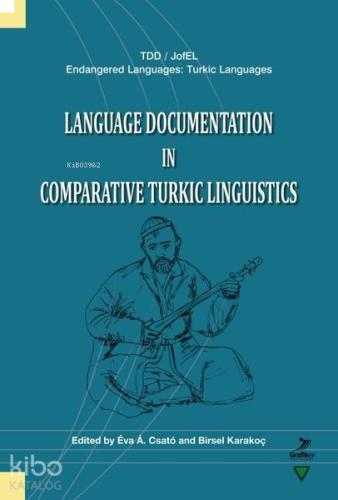
Language Documentation in Comparative Turkic Linguistics
Eva A CsatoGrafiker Yayınları
Language Documentation in Comparative Turkic Linguistics
Eva A CsatoThis volume contains original analyses of thirteen mostly endangered Turkic languages and as such is a valuable contribution not only to the field of Turkic studies but also to the general field of comparative linguistics The book is a rich source of data for dialects otherwise not readily accessible for specialists in the structure of Turkic languages For typologists looking for the linguistic intricacies of agglutinative languages the book provides a wide spectrum of structural features from varieties of a large number of Turkic languages and as such is an invaluable data mine analyzed and presented with the insight of the experts in the field Sumru A Özsoy This is a welcome book on documentation in the Turkic language family It advocates for standardization of text representations and descriptions based on the scholarly tradition in Turkic linguistics The previously unpublished texts vary considerably in style gender and register The accompanying audio recordings are accessible online which is something quite new in linguistic publications Different branches of Turkic are represented in the volume e g endangered languages such as Southwest Karaim Bayat Turkic in Iraq Golan Turkic in Syria and Yellow Uyghur in China all with a very weak status This type of new data from field work is essential both for historical linguistics and for the description of the Turkic language type Lars Johanson This very interesting volume presents new materials and analysis of 13 Turkic languages most of which are endangered ranging from Western Europe to China It will contribute to Turkic synchronic and diachronic studies and be a nice source for language typology and historical and theoretical linguistics The use of a uniform transcription and morphological representation in all chapters makes them more readily comparable and easier to use The availability of downloadable sound files for the analysed texts is a plus The editors are to be congratulated for putting together such a diverse and useful collection Peter Austin
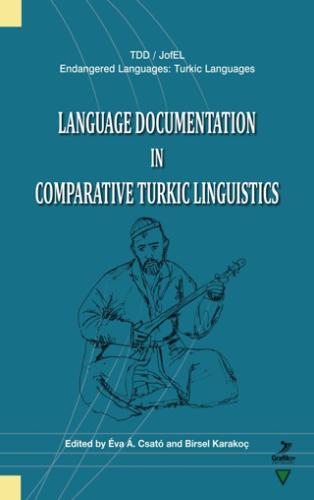
Grafiker Yayınları
This volume contains original analyses of thirteen mostly endangered Turkic languages and as such is a valuable contribution not only to the field of Turkic studies but also to the general field of comparative linguistics The book is a rich source of data for dialects otherwise not readily accessible for specialists in the structure of Turkic languages For typologists looking for the linguistic intricacies of agglutinative languages the book provides a wide spectrum of structural features from varieties of a large number of Turkic languages and as such is an invaluable data mine analyzed and presented with the insight of the experts in the field Sumru A Özsoy This is a welcome book on documentation in the Turkic language family It advocates for standardization of text representations and descriptions based on the scholarly tradition in Turkic linguistics The previously unpublished texts vary considerably in style gender and register The accompanying audio recordings are accessible online which is something quite new in linguistic publications Different branches of Turkic are represented in the volume e g endangered languages such as Southwest Karaim Bayat Turkic in Iraq Golan Turkic in Syria and Yellow Uyghur in China all with a very weak status This type of new data from field work is essential both for historical linguistics and for the description of the Turkic language type Lars Johanson This very interesting volume presents new materials and analysis of 13 Turkic languages most of which are endangered ranging from Western Europe to China It will contribute to Turkic synchronic and diachronic studies and be a nice source for language typology and historical and theoretical linguistics The use of a uniform transcription and morphological representation in all chapters makes them more readily comparable and easier to use The availability of downloadable sound files for the analysed texts is a plus The editors are to be congratulated for putting together such a diverse and useful collection Peter Austin
Grafiker Yayınları
This volume contains original analyses of thirteen mostly endangered Turkic languages and as such is a valuable contribution not only to the field of Turkic studies but also to the general field of comparative linguistics The book is a rich source of data for dialects otherwise not readily accessible for specialists in the structure of Turkic languages For typologists looking for the linguistic intricacies of agglutinative languages the book provides a wide spectrum of structural features from varieties of a large number of Turkic languages and as such is an invaluable data mine analyzed and presented with the insight of the experts in the field Sumru A Özsoy This is a welcome book on documentation in the Turkic language family It advocates for standardization of text representations and descriptions based on the scholarly tradition in Turkic linguistics The previously unpublished texts vary considerably in style gender and register The accompanying audio recordings are accessible online which is something quite new in linguistic publications Different branches of Turkic are represented in the volume e g endangered languages such as Southwest Karaim Bayat Turkic in Iraq Golan Turkic in Syria and Yellow Uyghur in China all with a very weak status This type of new data from field work is essential both for historical linguistics and for the description of the Turkic language type Lars Johanson This very interesting volume presents new materials and analysis of 13 Turkic languages most of which are endangered ranging from Western Europe to China It will contribute to Turkic synchronic and diachronic studies and be a nice source for language typology and historical and theoretical linguistics The use of a uniform transcription and morphological representation in all chapters makes them more readily comparable and easier to use The availability of downloadable sound files for the analysed texts is a plus The editors are to be congratulated for putting together such a diverse and useful collection Peter Austin
Grafiker Yayınları
This volume contains original analyses of thirteen mostly endangered Turkic languages and as such is a valuable contribution not only to the field of Turkic studies but also to the general field of comparative linguistics The book is a rich source of data for dialects otherwise not readily accessible for specialists in the structure of Turkic languages For typologists looking for the linguistic intricacies of agglutinative languages the book provides a wide spectrum of structural features from varieties of a large number of Turkic languages and as such is an invaluable data mine analyzed and presented with the insight of the experts in the field Sumru A Özsoy This is a welcome book on documentation in the Turkic language family It advocates for standardization of text representations and descriptions based on the scholarly tradition in Turkic linguistics The previously unpublished texts vary considerably in style gender and register The accompanying audio recordings are accessible online which is something quite new in linguistic publications Different branches of Turkic are represented in the volume e g endangered languages such as Southwest Karaim Bayat Turkic in Iraq Golan Turkic in Syria and Yellow Uyghur in China all with a very weak status This type of new data from field work is essential both for historical linguistics and for the description of the Turkic language type Lars Johanson This very interesting volume presents new materials and analysis of 13 Turkic languages most of which are endangered ranging from Western Europe to China It will contribute to Turkic synchronic and diachronic studies and be a nice source for language typology and historical and theoretical linguistics The use of a uniform transcription and morphological representation in all chapters makes them more readily comparable and easier to use The availability of downloadable sound files for the analysed texts is a plus The editors are to be congratulated for putting together such a diverse and useful collection Peter Austin