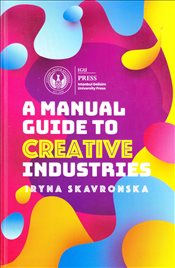
Manual Guide To Creative Industries
İstanbul Gelişim Üniversitesi
Limited resources have been one of the global issues for last few decades At the end of the XX century mankind found the new source for economic growth and development which is creativity In the past it has served as a basis for concentration of spiritual life but nowadays it is an incessant generator of inventions innovations and new solutions Creativity is expressed through the ability to transcend traditional ideas rules patterns relationships or the like and to create new meaningful forms methods interpretations affecting thereby other people and their ideology Based on a combination of creativity business and science creative industries the most dynamically developing sector of the global economy today emerged Creative industries are considered a new growth model a creative lever of production and even the beginning of a civilizational shift The sector covers a wide array of different activities ranging from architecture music and crafts to advertising and the IT sector Thus creativity becomes one of the most important competencies in business a driver of the economic development while new ideas are the main capitalized value The coronavirus pandemic has accelerated the expansion of the creative sector into virtual world Rapid technological changes and advanced Internet communication stimulated the emergence of new niche market possibilities since the size of the domestic market is no longer limited Creative industries offer a large number of jobs especially for young people a significant share of added value is generated through creative activity and intellectual property rights management the growth rate of exports of creative goods and services has often outpaced the export rates of other industries over the past twenty years In addition creative industries contribute to the achievement of Sustainable Development Goals including ensuring qualitative education gender equality and innovative development By this creative industries generate social cultural and economic value to individuals businesses and society Consequently creative industries became an important topic for study and this book is one of tools that can be used for its better understanding The book examines the economic social cultural technological and business attributes of the creative industries in order to summarize all possible perspectives of their development The book helps students to look carefully at creativity as one of the key components of competitiveness to describe a unique personality of creators to reveal how creative goods and services are produced distributed and sold in the world affected by the Digital Revolution The primary goal is to enhance awareness and to outline the significance of the creative industries which offer new opportunities for economic and societal progress By focusing on a wide range of aspects this book provides students with the chance to get cross disciplinary expertise and knowledge in data analytics creative thinking business and law Students will learn to think critically about the role of creativity today and discover their own creative talents This book is divided into ten chapters Each chapter is based on the latest research and data available Throughout the book up to date examples are given to make foundational concepts clear Relevant and current cases and stories about trends in the creative industries organized in boxes connect students with what they will read in the chapter and how the information applies in practice Each chapter opens with an outline and a list of learning objectives A chapter summary and important terms for review and their definitions are given accurately after each chapter Questions for group discussion encourage students collectively to think about the best solutions with regard to each topic Multiple choice questions help readers to recall material in the chapter and to test their conceptual understanding of the subject Every chapter concludes with endnotes which refer to additional literature on the topic CHAPTER I provides an overview of the theoretical background of creativity and its importance for entrepreneurship in a global economy tracing progress in this area from the early studies until now Major intention is paid to reaching a final consensus about it CHAPTER II considers the emergence of the concept of creative industries and multiple models of their classification It looks at the definitional issues as every model has a particular rationale depending on underlying assumptions about the purpose and mode of operation of each sub sector This chapter also provides evidence on the economic contribution of the creative industries using different analytical approaches CHAPTER III explores the historical background and evolution of creativity and creative industries It examines how four Industrial Revolutions have changed the way creative actors are performing their activity CHAPTER IV introduces a thoughtful reflection on the linkages between creative class and employment including living and working environment for creative class It explores evolving concepts such as creative class creative job creative occupation creative specialists bohemians quality of place and expands the analysis of gender inequality in the creative sector It also provides a short description of the core methodological approaches to measuring creative employment CHAPTER V examines multiple dimensions of the creative economy and its relationship with New Economics for Sustainable Development capturing ongoing policy debates on how creativity can contribute to preservation of biodiversity and promote sustainable development Moreover it presents an overview of digital transformation of the creative economy CHAPTER VI analyses the organizational structure of the creative industries highlighting the role of multinational companies in international creative industries markets Particular attention is paid to economic and commercial potential of creative goods and services CHAPTER VII deals with the international trade in creative goods and services including global trends and peculiarities distribution of digitized creative content through more flexible business models It shows a recent picture of illicit trade piracy and the development of the informal sector in the creative industries In CHAPTER VIII the focus is on the use of 4 P s model for the creative industries The value chain for creative goods and services is analysed through the array of models such as Creative Industries Value Chain Smiling Curve Long Tail model and Make to Order model It also emphasizes the importance of ethical consumerism in the creative sector CHAPTER IX observes the place of intellectual property in the creative industries by considering types of intellectual property rights legal and regulatory environment as well as policy framework for digital use of creative content Particularly the advantages of blockchain technology for the creative sector are examined CHAPTER X discusses the impact of the creative industries on urban transformation evaluates and analyses indices such as Creative City Index Cultural and Creative Cities Monitor Global Creativity Index which measure and monitor the performance of creative cities The textbook is recommended for students and graduate students which particularly studying Public Relations and Publicity Radio Television and Cinema Advertising New Media and Communication programmes instructors of higher education institutions practitioners and anyone interested in the development of the creative sector