Minds of Passage An Interpretation of the Memoirs of Young Turks 1908 1923 — Duygu Coşkuntuna
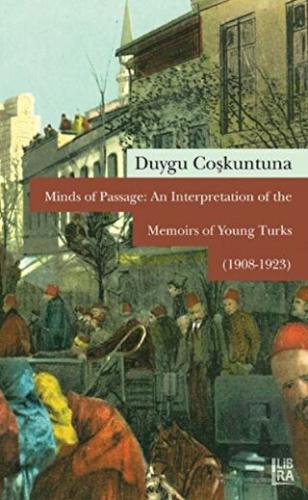
Minds of Passage An Interpretation of the Memoirs of Young Turks 1908 1923
Duygu CoşkuntunaLibra Yayınları
Minds of Passage An Interpretation of the Memoirs of Young Turks 1908 1923
Duygu CoşkuntunaThis work represents an attempt to understand the frame of mind that the members of the Committee of Union and Progress bore through the Revolution of 1908 up to the disintegration of the Ottoman Empire As such it is largely based on the memoirs of Committee members and those of their contemporaries The book s main argument is that along with the nationalism of the era and the rise of the individual various related concepts such as gender and homeland were also being re evaluated and re valued in the minds of those who lived through this period The book focuses on some of the ideas articulated most clearly and repeatedly in these memoirs such as komitacılık brigandage and hope as well as others that were crucial in defining an individual such as one s occupation and their understanding of the new concept of liberty Noteworthy was conception and role of women in these memoirs as it can be observed that among other roles women were often also seen as stand ins for homeland An exploration is also made of the boundaries of the homeland as invented and reinvented by the Young Turk cadres and the emotional investment in such a notion Lastly the work questions the new lens of nationalism that the memoirists employed to view the communities of the empire By using the Arabs and the Armenians within the Ottoman society as case studies the book shows that nationality then was not or at least not yet a fixed identity but rather a variety of contextual roles that were performed on a daily basis
Libra Yayınları
img src https s3 eu west 1 amazonaws com dia kitadagitim ckeditor_assets pictures 53 content_1_original_original jpg alt height 15 width 15 font size 1 color white font img
Libra Kitap
This work represents an attempt to understand the frame of mind that the members of the Committee of Union and Progress bore through the Revolution of 1908 up to the disintegration of the Ottoman Empire As such it is largely based on the memoirs of Committee members and those of their contemporaries The books main argument is that along with the nationalism of the era and the rise of the individual various related concepts such as gender and homeland were also being re evaluated and re valued in the minds of those who lived through this period The book focuses on some of the ideas articulated most clearly and repeatedly in these memoirs such as komitacılık brigandage and hope as well as others that were crucial in defining an individual such as ones occupation and their understanding of the new concept of liberty Noteworthy was conception and role of women in these memoirs as it can be observed that among other roles women were often also seen as stand ins for homeland An exploration is also made of the boundaries of the homeland as invented and reinvented by the Young Turk cadres and the emotional investment in such a notion Lastly the work questions the new lens of nationalism that the memoirists employed to view the communities of the empire By using the Arabs and the Armenians within the Ottoman society as case studies the book shows that nationality then was notor at least not yet a fixed identity but rather a variety of contextual roles that were performed on a daily basis