On The Lycian Way — Erdal Yazıcı
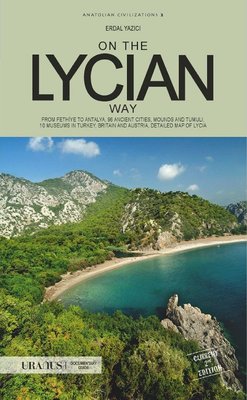
On The Lycian Way
Erdal YazıcıURANUS
On The Lycian Way
Erdal YazıcıThe lands on which the Lycians lived benefited greatly from the lush Mediterranean climate The Lycian settlements stretching along the coast from the west of Antalya to Telmessus and northwards to the land between the Taurus Mountains and Elmalı are unique in terms of location The first sights of the cities are the sarcophagi and the house like rock cut tombs These tombs were built to resemble houses in the hope and belief that life would continue within the monumental structures which still stand to this day Both the sarcophagi and the rock cut tombs reflect all the details of craftsmanship of their wooden houses The Lycians wrote notes on these monuments in order to protect the traces of life They left curses threatening raiders with verses of heavy punishments lions and Medusa heads They proved their craft skills in the large monumental tombs Heroons The carvings on the Xanthos Nereid monument the Pericles Heroon in Lymra and the Trysa Heroon are unique works both as art and for the mythological stories they tell It is possible to also see Persian and Greek influences on the carvings Many tablets remain describing their lives in the cities they constructed Even though their language has not yet been fully deciphered the multi lingual writings give hints about the daily lives of the Lycians The stories on the monumental tombs are just like pages of history talking about those days It is possible to feel the hope joy pain inevitability resistance sovereignty and defeat contained in the inscriptions When we hit the road for our documentary on the Lycians we started to follow visible and hidden traces of the Lycians between the Mediterranean Sea and the Taurus Mountains We have tried to reflect what we saw and experienced in addition to the discoveries and researches of travellers of the 18th century and after Besides our long trips on the Lycian Way we discovered many more hidden Lycian settlements at the peaks of the Taurus Mountains as well as along the coast from Telmessus Makri in Greek to Antalya Attalia in Greek We attained the tops of cities after tiring hikes We experienced great pride in the magnificent monuments We hummed world melodies in the ancient theatres We saw the new faces of the cities re erected after scientific excavations They were not the settlements of thirty years ago We looked for traces of the Lycians on streets and roads that were brought to light hundreds of years later Then we observed their relics in Turkish Museums such as Antalya Museum Telmessus Museum Elmalı Museum Burdur Museum and Istanbul Archaeology Museums as well as internationally in the British Museum and the Vienna Art and History Museum Kunsthistoriches Museum In this documentary book we discuss 8 museums displaying Lycian finds as well as the 88 ancient cities villages mounds and tumuli Sayfa Sayısı 466Baskı Yılı 2012Dili İngilizceYayınevi URANUS
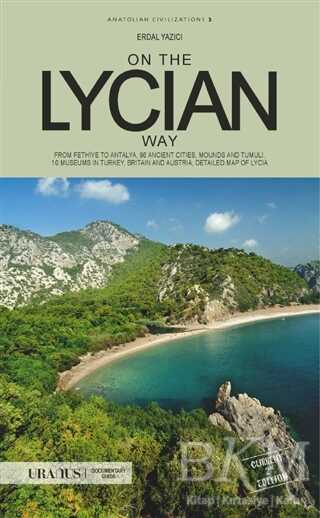
Uranus
The lands on which the Lycians lived benefited greatly from the lush Mediterranean climate The Lycian settlements stretching along the coast from the west of Antalya to Fethiye and northwards to Elmalı amidst the Taurus Mountains are unique in terms of their location When we hit the road for our documentary on Lycia we started to follow both the visible and hidden traces of the Lycians between the Mediterranean Sea and the Taurus Mountains In addition to ancient sources and the discoveries and researches of travellers of the 18th century and afterwards we have also tried to reflect what we saw and experienced ourselves Besides our long trips along the Lycian Way and the coast from Fethiye to Antalya we also discovered many more Lycian settlements hidden amidst the peaks of the Taurus Mountains We reached the peaks of these cities after tiring hikes We experienced great pride in their magnificent monuments We hummed world melodies in their ancient theatres We saw the new faces of the cities re erected after scientific excavations We looked for the traces of the Lycians on the ancient streets and roads that were brought to light hundreds of years later Then we observed their remnants in various museums in Turkey such as the Fethiye Museum the Museum of Lycian Civilizations the Antalya Museum the Telmessos Museum the Elmalı Museum the Burdur Museum and the Istanbul Archaeology Museums as well as in international museums such as the British Museum and Kunsthistorisches Museum Wien In this documentary book we discuss 10 museums displaying Lycian finds as well as 96 ancient cities villages mounds and tumuli Besides the ancient settlements that have been identified known and researched we also stopped by many small village like settlements that are most probably associated with the nearby cities on the Taurus plateaus We were hosted in the houses of Yörüks nomads who live nested within the ancient settlements in those plateaus We came across the traces of Lycian life in modern villages For instance the storehouses that villagers still use to store their grain and suppliesbear such traces As we were travelling we were in and out of the Lycian borders We caught glimpses of their interactions with their neighbours Weobserved the similarities and differences between the cultures of Pisidia Caria and Pamphylia The documentary On the Lycian Way is just a part of today s evidence of the mysterious lands of Anatolia Seeing the efforts of the scientists in protecting the remnants from the destruction of man and nature over the course of centuries raised our hopes with joy In addition to the new cover and interior design this revised and updated 2nd edition of the book also includes new sections the Museumof Lycian Civilizations which opened at Andriake in 2016 the Uluburun shipwreck and the Cape Gelidonya shipwreck the Girmeler Cave and the settlements within the radius of Tlos which welcome the travellers in the shadow of Akdağlar are among the newly added sections The changes we ve encountered on site during our travels in the Lycian cities during this span of 6 years between the two publications are also reflected on the pages of this revised edition It is time to set foot on the Lycian Way to discover and follow the traces of our world heritage We will build up many unforgettable memories toshare on thesetravels
Uranus
The lands on which the Lycians lived benefited greatly from the lush Mediterranean climate The Lycian settlements stretching along the coast from the west of Antalya to Fethiye and northwards to Elmalı amidst the Taurus Mountains are unique in terms of their location When we hit the road for our documentary on Lycia we started to follow both the visible and hidden traces of the Lycians between the Mediterranean Sea and the Taurus Mountains In addition to ancient sources and the discoveries and researches of travellers of the 18th century and afterwards we have also tried to reflect what we saw and experienced ourselves Besides our long trips along the Lycian Way and the coast from Fethiye to Antalya we also discovered many more Lycian settlements hidden amidst the peaks of the Taurus Mountains We reached the peaks of these cities after tiring hikes We experienced great pride in their magnificent monuments We hummed world melodies in their ancient theatres We saw the new faces of the cities re erected after scientific excavations We looked for the traces of the Lycians on the ancient streets and roads that were brought to light hundreds of years later Then we observed their remnants in various museums in Turkey such as the Fethiye Museum the Museum of Lycian Civilizations the Antalya Museum the Telmessos Museum the Elmalı Museum the Burdur Museum and the Istanbul Archaeology Museums as well as in international museums such as the British Museum and Kunsthistorisches Museum Wien In this documentary book we discuss 10 museums displaying Lycian finds as well as 96 ancient cities villages mounds and tumuli Besides the ancient settlements that have been identified known and researched we also stopped by many small village like settlements that are most probably associated with the nearby cities on the Taurus plateaus We were hosted in the houses of Yörüks nomads who live nested within the ancient settlements in those plateaus We came across the traces of Lycian life in modern villages For instance the storehouses that villagers still use to store their grain and suppliesbear such traces As we were travelling we were in and out of the Lycian borders We caught glimpses of their interactions with their neighbours Weobserved the similarities and differences between the cultures of Pisidia Caria and Pamphylia The documentary On the Lycian Way is just a part of today s evidence of the mysterious lands of Anatolia Seeing the efforts of the scientists in protecting the remnants from the destruction of man and nature over the course of centuries raised our hopes with joy In addition to the new cover and interior design this revised and updated 2nd edition of the book also includes new sections the Museumof Lycian Civilizations which opened at Andriake in 2016 the Uluburun shipwreck and the Cape Gelidonya shipwreck the Girmeler Cave and the settlements within the radius of Tlos which welcome the travellers in the shadow of Akdağlar are among the newly added sections The changes we ve encountered on site during our travels in the Lycian cities during this span of 6 years between the two publications are also reflected on the pages of this revised edition It is time to set foot on the Lycian Way to discover and follow the traces of our world heritage We will build up many unforgettable memories toshare on thesetravels
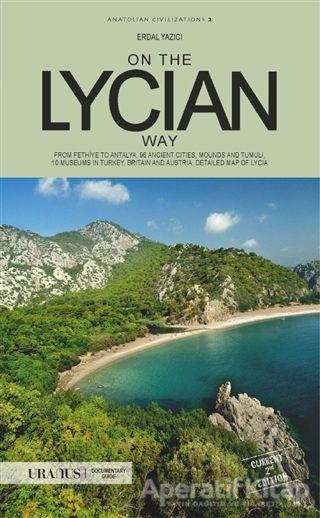
Uranus
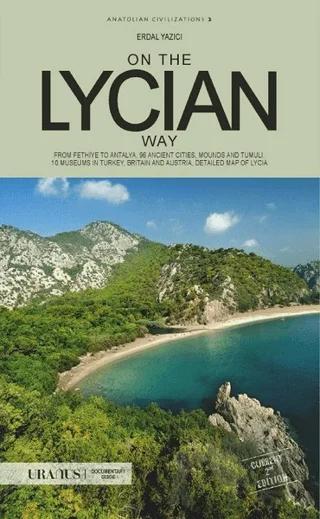
Erdal Yazıcı tarafından kaleme alınan On The Lycian Way Uranus eseri olarak okurlarla buluşuyor On The Lycian Way Erdal Yazıcı Kitap Özeti The lands on which the Lycians lived benefited greatly from the lush Mediterranean climate The Lycian settlements stretching along the coast from the west of Antalya to Fethiye and northwards to Elmalı amidst the Taurus Mountains are unique in terms of their location When we hit the road for our documentary on Lycia we started to follow both the visible and hidden traces of the Lycians between the Mediterranean Sea and the Taurus Mountains In addition to ancient sources and the discoveries and researches of travellers of the 18th century and afterwards we have also tried to reflect what we saw and experienced ourselves Besides our long trips along the Lycian Way and the coast from Fethiye to Antalya we also discovered many more Lycian settlements hidden amidst the peaks of the Taurus Mountains We reached the peaks of these cities after tiring hikes We experienced great pride in their magnificent monuments We hummed world melodies in their ancient theatres We saw the new faces of the cities re erected after scientific excavations We looked for the traces of the Lycians on the ancient streets and roads that were brought to light hundreds of years later Then we observed their remnants in various museums in Turkey such as the Fethiye Museum the Museum of Lycian Civilizations the Antalya Museum the Telmessos Museum the Elmalı Museum the Burdur Museum and the Istanbul Archaeology Museums as well as in international museums such as the British Museum and Kunsthistorisches Museum Wien In this documentary book we discuss 10 museums displaying Lycian finds as well as 96 ancient cities villages mounds and tumuli Besides the ancient settlements that have been identified known and researched we also stopped by many small village like settlements that are most probably associated with the nearby cities on the Taurus plateaus We were hosted in the houses of Yörüks nomads who live nested within the ancient settlements in those plateaus We came across the traces of Lycian life in modern villages For instance the storehouses that villagers still use to store their grain and suppliesbear such traces As we were travelling we were in and out of the Lycian borders We caught glimpses of their interactions with their neighbours Weobserved the similarities and differences between the cultures of Pisidia Caria and Pamphylia The documentary On the Lycian Way is just a part of today s evidence of the mysterious lands of Anatolia Seeing the efforts of the scientists in protecting the remnants from the destruction of man and nature over the course of centuries raised our hopes with joy In addition to the new cover and interior design this revised and updated 2nd edition of the book also includes new sections the Museumof Lycian Civilizations which opened at Andriake in 2016 the Uluburun shipwreck and the Cape Gelidonya shipwreck the Girmeler Cave and the settlements within the radius of Tlos which welcome the travellers in the shadow of Akdağlar are among the newly added sections The changes we ve encountered on site during our travels in the Lycian cities during this span of 6 years between the two publications are also reflected on the pages of this revised edition It is time to set foot on the Lycian Way to discover and follow the traces of our world heritage We will build up many unforgettable memories toshare on thesetravels Yayınevi Uranus Yazar Erdal Yazıcı Sayfa 512 Sayfa Kağıt 1 Hamur Boyut 13 50x21 00 cm Basım Yılı Ağustos 2021 Barkod 9786055940461 Kategori Referans Kaynak Kitap Referans Kitaplar
Uranus
The lands on which the Lycians lived benefited greatly from the lush Mediterranean climate The Lycian settlements stretching along the coast from the west of Antalya to Fethiye and northwards to Elmalı amidst the Taurus Mountains are unique in terms of their location When we hit the road for our documentary on Lycia we started to follow both the visible and hidden traces of the Lycians between the Mediterranean Sea and the Taurus Mountains In addition to ancient sources and the discoveries and researches of travellers of the 18th century and afterwards we have also tried to reflect what we saw and experienced ourselves Besides our long trips along the Lycian Way and the coast from Fethiye to Antalya we also discovered many more Lycian settlements hidden amidst the peaks of the Taurus Mountains We reached the peaks of these cities after tiring hikes We experienced great pride in their magnificent monuments We hummed world melodies in their ancient theatres We saw the new faces of the cities re erected after scientific excavations We looked for the traces of the Lycians on the ancient streets and roads that were brought to light hundreds of years later Then we observed their remnants in various museums in Turkey such as the Fethiye Museum the Museum of Lycian Civilizations the Antalya Museum the Telmessos Museum the Elmalı Museum the Burdur Museum and the Istanbul Archaeology Museums as well as in international museums such as the British Museumand Kunsthistorisches Museum Wien In this documentary book we discuss 10 museums displaying Lycian finds as well as 96 ancient cities villages mounds and tumuli Besides the ancient settlements that have been identified known and researched we also stopped by many small village like settlements that are most probably associated with the nearby cities on the Taurus plateaus We were hosted in the houses of Yörüks nomads who live nested within the ancient settlements in those plateaus We c
Uranus Yayınları
The lands on which the Lycians lived benefited greatly from the lush Mediterranean climate The Lycian settlements stretching along the coast from the west of Antalya to Fethiye and northwards to Elmalı amidst the Taurus Mountains are unique in terms of their location When we hit the road for our documentary on Lycia we started to follow both the visible and hidden traces of the Lycians between the Mediterranean Sea and the Taurus Mountains In addition to ancient sources and the discoveries and researches of travellers of the 18th century and afterwards we have also tried to reflect what we saw and experienced ourselves Besides our long trips along the Lycian Way and the coast from Fethiye to Antalya we also discovered many more Lycian settlements hidden amidst the peaks of the Taurus Mountains We reached the peaks of these cities after tiring hikes We experienced great pride in their magnificent monuments We hummed world melodies in their ancient theatres We saw the new faces of the cities re erected after scientific excavations We looked for the traces of the Lycians on the ancient streets and roads that were brought to light hundreds of years later Then we observed their remnants in various museums in Turkey such as the Fethiye Museum the Museum of Lycian Civilizations the Antalya Museum the Telmessos Museum the Elmalı Museum the Burdur Museum and the Istanbul Archaeology Museums as well as in international museums such as the British Museum and Kunsthistorisches Museum Wien In this documentary book we discuss 10 museums displaying Lycian finds as well as 96 ancient cities villages mounds and tumuli Besides the ancient settlements that have been identified known and researched we also stopped by many small village like settlements that are most probably associated with the nearby cities on the Taurus plateaus We were hosted in the houses of Yörüks nomads who live nested within the ancient settlements in those plateaus We came across the traces of Lycian life in modern villages For instance the storehouses that villagers still use to store their grain and suppliesbear such traces As we were travelling we were in and out of the Lycian borders We caught glimpses of their interactions with their neighbours Weobserved the similarities and differences between the cultures of Pisidia Caria and Pamphylia The documentary On the Lycian Way is just a part of today s evidence of the mysterious lands of Anatolia Seeing the efforts of the scientists in protecting the remnants from the destruction of man and nature over the course of centuries raised our hopes with joy In addition to the new cover and interior design this revised and updated 2nd edition of the book also includes new sections the Museumof Lycian Civilizations which opened at Andriake in 2016 the Uluburun shipwreck and the Cape Gelidonya shipwreck the Girmeler Cave and the settlements within the radius of Tlos which welcome the travellers in the shadow of Akdağlar are among the newly added sections The changes we ve encountered on site during our travels in the Lycian cities during this span of 6 years between the two publications are also reflected on the pages of this revised edition It is time to set foot on the Lycian Way to discover and follow the traces of our world heritage We will build up many unforgettable memories toshare on thesetravels