Ottoman Studies — İlber Ortaylı
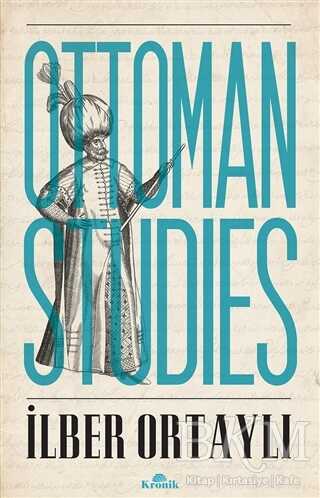
Ottoman Studies
İlber OrtaylıKronik Kitap
Ottoman Studies
İlber OrtaylıThis collection of papers by Prof İlber Ortaylı mainly deals with the political economic social and cultural transformations which Ottoman Empire has undergone in its last centuries Within the frame of millet conception which was unique to the Empire as an administration system this book looks into the areas of transformation including the modernisation struggles tendencies in historiography structural and judicial changes in family relations provincial and urban structures and the relations between Russia and the Ottoman Empire Prof Ortaylı details the millet system through allocating special titles for non Muslim minorities in the Empire like the Jews and the Greeks Similarly he reveals the relations between Ottomanism and Zionism in the Empire s last decades After giving a picture of the constitution and the parliament he glances at how the history of the Ottoman Empire and Russia are approached in the historiographies Turning back to the debates on modernization he explains the background starting from the second Vienna siege in 1683 In the following chapter he examines the structural changes in the international affairs of the Ottoman state Before delving into the changes in civil life he assigns two chapters to the provincial structures in the Empire s port cities Meticulously examining the archives and sources about the late Ottoman history Prof Ortaylı gives a comprehensive and multifaceted picture of the Empire Moreover he utilises a wide range of Ottoman archives Thanks to his language skills he provides insights from several scholars whose writings in different languages enrich this book
Kronik Kitap
This collection of papers by Prof İlber Ortaylı mainly deals with the political economic social and cultural transformations which Ottoman Empire has undergone in its last centuries Within the frame of millet conception which was unique to the Empire as an administration system this book looks into the areas of transformation including the modernisation struggles tendencies in historiography structural and judicial changes in family relations provincial and urban structures and the relations between Russia and the Ottoman Empire Prof Ortaylı details the millet system through allocating special titles for non Muslim minorities in the Empire like the Jews and the Greeks Similarly he reveals the relations between Ottomanism and Zionism in the Empire s last decades After giving a picture of the constitution and the parliament he glances at how the history of the Ottoman Empire and Russia are approached in the historiographies Turning back to the debates on modernization he explains the background starting from the second Vienna siege in 1683 In the following chapter he examines the structural changes in the international affairs of the Ottoman state Before delving into the changes in civil life he assigns two chapters to the provincial structures in the Empire s port cities Meticulously examining the archives and sources about the late Ottoman history Prof Ortaylı gives a comprehensive and multifaceted picture of the Empire Moreover he utilises a wide range of Ottoman archives Thanks to his language skills he provides insights from several scholars whose writings in different languages enrich this book
Kronik Kitap
This collection of papers by Prof İlber Ortaylı mainly deals with the political economic social and cultural transformations which Ottoman Empire has undergone in its last centuries These areas of transformation namely millet conception in the Ottoman Empire modernization tendecies in historiography structural and judicial changes in familial relationship provincial and urban structure in the Ottoman Empire and relationship between Russia and Ottoman Empire determined the tittles for the chapters of the book Prof Ortaylı meticulosly examining the archives and sources about the late Ottoman history gives a comprehensive and multifaceted Picture of the Empire Tanıtım Bülteninden
Kronik Kitap
This collection of papers by Prof İlber Ortaylı mainly deals with the political economic social and cultural transformations which Ottoman Empire has undergone in its last centuries Within the frame of millet conception which was unique to the Empire as an administration system this book looks into the areas of transformation including the modernisation struggles tendencies in historiography structural and judicial changes in family relations provincial and urban structures and the relations between Russia and the Ottoman Empire Prof Ortaylı details the millet system through allocating special titles for non Muslim minorities in the Empire like the Jews and the Greeks Similarly he reveals the relations between Ottomanism and Zionism in the Empire s last decades After giving a picture of the constitution and the parliament he glances at how the history of the Ottoman Empire and Russia are approached in the historiographies Turning back to the debates on modernization he explains the background starting from the second Vienna siege in 1683 In the following chapter he examines the structural changes in the international affairs of the Ottoman state Before delving into the changes in civil life he assigns two chapters to the provincial structures in the Empire s port cities Meticulously examining the archives and sources about the late Ottoman history Prof Ortaylı gives a comprehensive and multifaceted picture of the Empire Moreover he utilises a wide range of Ottoman archives Thanks to his language skills he provides insights from several scholars whose writings in different languages enrich this book
Kronik Kitap
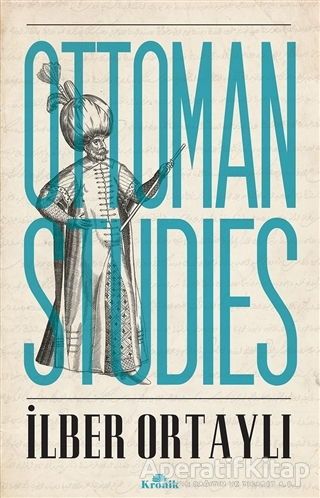
İlber Ortaylı tarafından kaleme alınan Ottoman Studies Kronik Kitap eseri olarak okurlarla buluşuyor Ottoman Studies İlber Ortaylı Kitap Özeti This collection of papers by Prof İlber Ortaylı mainly deals with the political economic social and cultural transformations which Ottoman Empire has undergone in its last centuries Within the frame of millet conception which was unique to the Empire as an administration system this book looks into the areas of transformation including the modernisation struggles tendencies in historiography structural and judicial changes in family relations provincial and urban structures and the relations between Russia and the Ottoman Empire Prof Ortaylı details the millet system through allocating special titles for non Muslim minorities in the Empire like the Jews and the Greeks Similarly he reveals the relations between Ottomanism and Zionism in the Empire s last decades After giving a picture of the constitution and the parliament he glances at how the history of the Ottoman Empire and Russia are approached in the historiographies Turning back to the debates on modernization he explains the background starting from the second Vienna siege in 1683 In the following chapter he examines the structural changes in the international affairs of the Ottoman state Before delving into the changes in civil life he assigns two chapters to the provincial structures in the Empire s port cities Meticulously examining the archives and sources about the late Ottoman history Prof Ortaylı gives a comprehensive and multifaceted picture of the Empire Moreover he utilises a wide range of Ottoman archives Thanks to his language skills he provides insights from several scholars whose writings in different languages enrich this book Yayınevi Kronik Kitap Yazar İlber Ortaylı Sayfa 256 Sayfa Kağıt 2 Hamur Boyut 13 50x21 00 cm Basım Yılı Nisan 2019 Barkod 9786057635082 Kategori Osmanlı Tarihi
Kronik Kitap
This collection of papers by Prof İlber Ortaylı mainly deals with the political economic social and cultural transformations which Ottoman Empire has undergone in its last centuries Within the frame of millet conception which was unique to the Empire as an administration system this book looks into the areas of transformation including the modernisation struggles tendencies in historiography structural and judicial changes in family relations provincial and urban structures and the relations between Russia and the Ottoman Empire Prof Ortaylı details the millet system through allocating special titles for non Muslim minorities in the Empire like the Jews and the Greeks Similarly he reveals the relations between Ottomanism and Zionism in the Empire s last decades After giving a picture of the constitution and the parliament he glances at how the history of the Ottoman Empire and Russia are approached in the historiographies Turning back to the debates on modernization he explains the background starting from the second Vienna siege in 1683 In the following chapter he examines the structural changes in the international affairs of the Ottoman state Before delving into the changes in civil life he assigns two chapters to the provincial structures in the Empire s port cities Meticulously examining the archives and sources about the late Ottoman history Prof Ortaylı gives a comprehensive and multifaceted picture of the Empire Moreover he utilises a wide range of Ottoman archives Thanks to his language skills he provides insights from several scholars whose writings in different languages enrich this book
KRONİK YAYINLARI
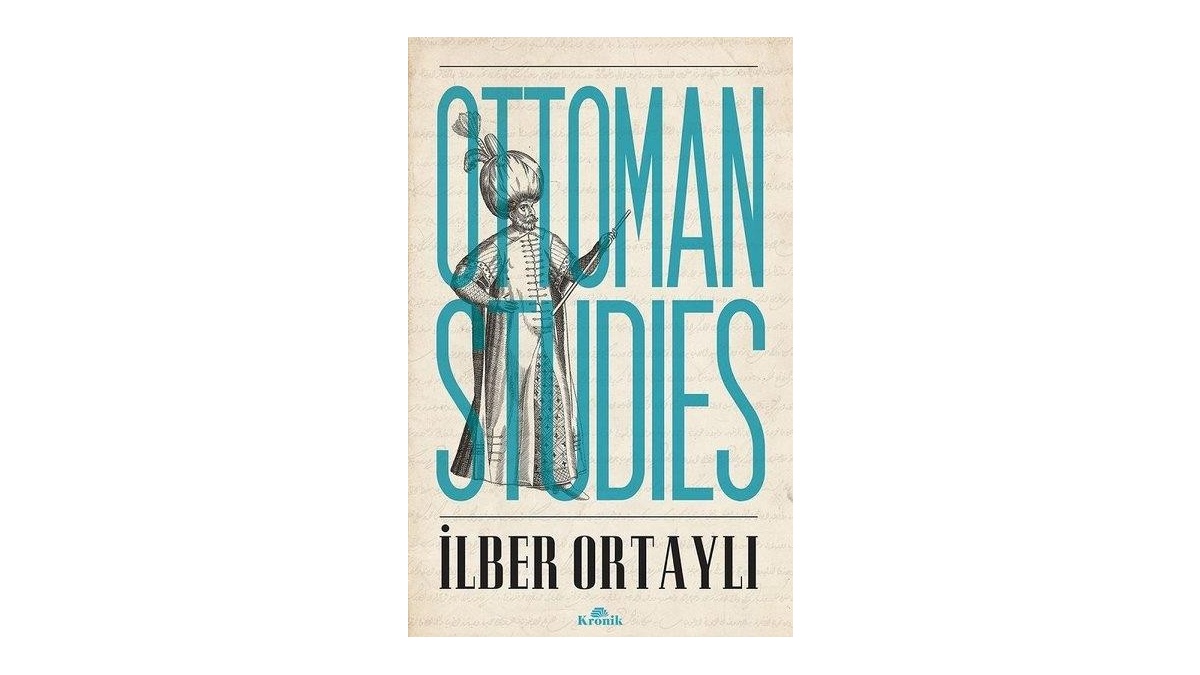
This collection of papers by Prof İlber Ortaylı mainly deals with the political economic social and cultural transformations which Ottoman Empire has undergone in its last centuries Within the frame of millet conception which was unique to the Empire as an administration system this book looks into the areas of transformation including the modernisation struggles tendencies in historiography structural and judicial changes in family relations provincial and urban structures and the relations between Russia and the Ottoman Empire Prof Ortaylı details the millet system through allocating special titles for non Muslim minorities in the Empire like the Jews and the Greeks Similarly he reveals the relations between Ottomanism and Zionism in the Empire s last decades After giving a picture of the constitution and the parliament he glances at how the history of the Ottoman Empire and Russia are approached in the historiographies Turning back to the debates on modernization he explains the background starting from the second Vienna siege in 1683 In the following chapter he examines the structural changes in the international affairs of the Ottoman state Before delving into the changes in civil life he assigns two chapters to the provincial structures in the Empire s port cities Meticulously examining the archives and sources about the late Ottoman history Prof Ortaylı gives a comprehensive and multifaceted picture of the Empire Moreover he utilises a wide range of Ottoman archives Thanks to his language skills he provides insights from several scholars whose writings in different languages enrich this book Yayınevi KRONİK YAYINLARI Yazar İLBER ORTAYLI Baskı 1 BASKI Dil İNGİLİZCE Sayfa Sayısı 256 SAYFA Yıl 2019
Kronik Kitap
This collection of papers by Prof İlber Ortaylı mainly deals with the political economic social and cultural transformations which Ottoman Empire has undergone in its last centuries These areas of transformation namely millet conception in the Ottoman Empire modernization tendecies in historiography structural and judicial changes in familial relationship provincial and urban structure in the Ottoman Empire and relationship between Russia and Ottoman Empire determined the tittles for the chapters of the book Prof Ortaylı meticulosly examining the archives and sources about the late Ottoman history gives a comprehensive and multifaceted Picture of the Empire Tanıtım Bülteninden