Patentability of Human Embryonic Stem Cells in Europe — Alptekin Köksal
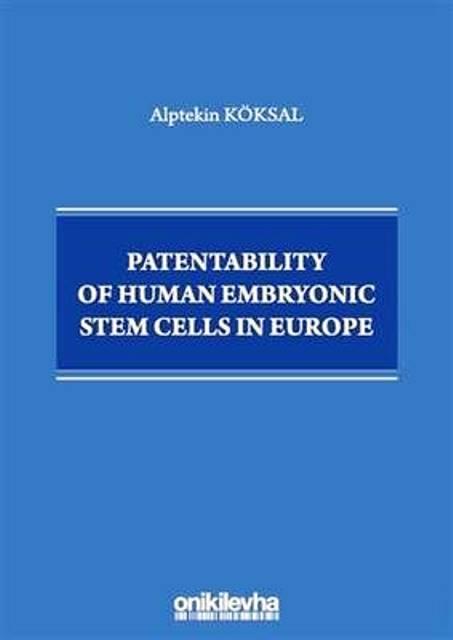
Patentability of Human Embryonic Stem Cells in Europe
Alptekin KöksalPatentability of Human Embryonic Stem Cells in Europe
Alptekin KöksalPatentability of Human Embryonic Stem Cells in Europe Human embryonic stem cell hESC research is one of the most controversial issues in the modern world The topic has ethical economic and social aspects Controversy occurs when assessing the balance between medical benefits and the protection of human dignity both of which are of vital importance Thus reaching a common ground and resolving the conflict seems far from being achieved as of today This unresolved issue is also a key topic to patent law in Europe This book is mainly a discussion on the patentability of human embryonic stem cells in European Union law where the morality provision is at the forefront in the legal framework Therefore the inefficiency of European patent law generated by the morality clause is argued and recommendations are made for a more liberal approach in Europe First pragmatism should be preferable over ethics in hESC research and patent policy in order to create effective patent protection for promising biotechnology inventions Second patent law should be re designed and aligned with the economic objectives of European Union law while respecting the autonomy of the Member States Kredi Kartı Tek Çekim 94 50
On İki Levha Yayınları
Alptekin Köksal tarafından kaleme alınan Patentability of Human Embryonic Stem Cells in Europe On İki Levha Yayınları eseri olarak okurlarla buluşuyor Patentability of Human Embryonic Stem Cells in Europe Alptekin Köksal Kitap Özeti Human embryonic stem cell hESC research is one of the most controversial issues in the modern world The topic has ethical economic and social aspects Controversy occurs when assessing the balance between medical benefits and the protection of human dignity both of which are of vital importance Thus reaching a common ground and resolving the conflict seems far from being achieved as of today This unresolved issue is also a key topic to patent law in Europe This book is mainly a discussion on the patentability of human embryonic stem cells in European Union law where the morality provision is at the forefront in the legal framework Therefore the inefficiency of European patent law generated by the morality clause is argued and recommendations are made for a more liberal approach in Europe First pragmatism should be preferable over ethics in hESC research and patent policy in order to create effective patent protection for promising biotechnology inventions Second patent law should be re designed and aligned with the economic objectives of European Union law while respecting the autonomy of the Member States Yayınevi On İki Levha Yayınları Yazar Alptekin Köksal Sayfa 100 Sayfa Kağıt 1 Hamur Boyut 16 00x24 00 cm Basım Yılı Mart 2022 Barkod 9786254321474 Kategori Hukuk Kitapları

On İki Levha Yayınları
Human embryonic stem cell hESC research is one of the most controversial issues in the modern world The topic has ethical economic and social aspects Controversy occurs when assessing the balance between medical benefits and the protection of human dignity both of which are of vital importance Thus reaching a common ground and resolving the conflict seems far from being achieved as of today This unresolved issue is also a key topic to patent law in Europe This book is mainly a discussion on the patentability of human embryonic stem cells in European Union law where the morality provision is at the forefront in the legal framework Therefore the inefficiency of European patent law generated by the morality clause is argued and recommendations are made for a more liberal approach in Europe First pragmatism should be preferable over ethics in hESC research and patent policy in order to create effective patent protection for promising biotechnology inventions Second patent law should be re designed and aligned with the economic objectives of European Union law while respecting the autonomy of the Member States