Perge The Great City of Pamphylia — Sedef Çokay Kepçe Aşkım Özdizbay Müjde Peker Özgür Turak İpek Dağlı Fatma Nihal Köseoğlu
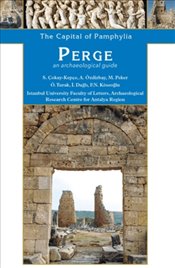
Perge The Great City of Pamphylia
Sedef Çokay Kepçe Aşkım Özdizbay Müjde Peker Özgür Turak İpek Dağlı Fatma Nihal KöseoğluHomer
Perge The Great City of Pamphylia
Sedef Çokay Kepçe Aşkım Özdizbay Müjde Peker Özgür Turak İpek Dağlı Fatma Nihal KöseoğluHomer Antik Kentler Serisi ile birçok uygarlığa beşiklik yapan ülkemizdeki antik yerleşim yerlerinin tanıtımı korunması ve gelecek kuşaklara aktarılması amaçlanmaktadır Seri bilimsel nitelik taşımakla birlikte konunun uzmanı olmayanların ve bu kentleri gezecek ziyaretçilerin de anlayabileceği tarzda yazılmış ve çok sayıda görsel malzeme ile desteklenerek okuyucunun kenti hissetmesi hedeflenmiştir Genelde Türkçe ve İngilizce dillerinde eş zamanlı basılmaktadır Perge Kentinin Türkçe basımı ise daha önce yapılmış olup İngilizce yayınımız okuru ile yeni buluşmaktadır Homer Antik Kentler Serisinden günümüze kadar 17 antik kentin kitabı basılmıştır Our archaeological guides are written by well known archaeologists in the hope that they might evoke the spirit of these sites for anyone interested in the remains of Anatolian civilizations Illustrated with beautiful photographs equipped with helpful plans and drawings they are essential resources for travelers in Turkey Perge is located in the modern Aksu district approximately 18 km northeast of the Antalya city centre The region covering Perge was called Pamphylia land of all tribes in antiquity which was bordered by Pisidia and theTaurus Mountains from the north and the Mediterranean Sea from the south It approximately covers the present day Antalya plain The earliest evidence of humans in the city were found in the Acropolis indicates Late Neolithic Chalcolithic Age In addition finds from the Late Chalcolithic Early Middle and Late Bronze Ages were also unearthed During the Hellenistic Period the settlement expanded towards the plain to the south of the Acropolis Most of the structures visible on the surface of the city belong to the Roman Imperial Period which was its heyday The excavations in Perge in 1946 initiated by Ord Prof Dr Arif Müfid Mansel on behalf of the Istanbul University were also the beginning of the first systematic Turkish excavation in the fie ofClassicalArchaeologyinTurkey AfterMansel sdeath Prof Dr Jale İnan continued the excavations The book you are holding is prepared by the students of late Prof Dr Haluk Abbasoğlu who continued the Perge excavations on behalf of the Istanbul University as the third excavation director Perge excavations are currently carried out by Prof Dr Sedef Çokay Kepçe on behalf of Istanbul University We hope that this guide written by scholars who participated in the Perge excavations within their expertise to provide accurate information to the guests of the city would be helpful to its users We strongly recommend that you enrich your Perge trip by visiting the Antalya Archaeological Museum Visitors of the city will get to know Perge better after visiting the Antalya Archaeological Museum where a large number of artefacts found in the excavations are exhibited
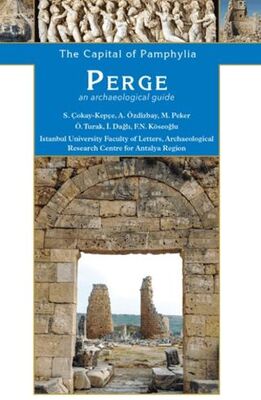
Homer Kitabevi
Homer Antik Kentler Serisi ile birçok uygarlığa beşiklik yapan ülkemizdeki antik yerleşim yerlerinin tanıtımı korunması ve gelecek kuşaklara aktarılması amaçlanmaktadır Seri bilimsel nitelik taşımakla birlikte konunun uzmanı olmayanların ve bu kentleri gezecek ziyaretçilerin de anlayabileceği tarzda yazılmış ve çok sayıda görsel malzeme ile desteklenerek okuyucunun kenti hissetmesi hedeflenmiştir Genelde Türkçe ve İngilizce dillerinde eş zamanlı basılmaktadır Perge Kentinin Türkçe basımı ise daha önce yapılmış olup İngilizce yayınımız okuru ile yeni buluşmaktadır Homer Antik Kentler Serisinden günümüze kadar 17 antik kentin kitabı basılmıştır Our archaeological guides are written by well known archaeologists in the hope that they might evoke the spirit of these sites for anyone interested in the remains of Anatolian civilizations Illustrated with beautiful photographs equipped with helpful plans and drawings they are essential resources for travelers in Turkey Perge is located in the modern Aksu district approximately 18 km northeast of the Antalya city centre The region covering Perge was called Pamphylia land of all tribes in antiquity which was bordered by Pisidia and theTaurus Mountains from the north and the Mediterranean Sea from the south It approximately covers the present day Antalya plain The earliest evidence of humans in the city were found in the Acropolis indicates Late Neolithic Chalcolithic Age In addition finds from the Late Chalcolithic Early Middle and Late Bronze Ages were also unearthed During the Hellenistic Period the settlement expanded towards the plain to the south of the Acropolis Most of the structures visible on the surface of the city belong to the Roman Imperial Period which was its heyday The excavations in Perge in 1946 initiated by Ord Prof Dr Arif Müfid Mansel on behalf of the Istanbul University were also the beginning of the first systematic Turkish excavation in the field of ClassicalArchaeologyinTurkey AfterMansel sdeath Prof Dr Jale İnan continued the excavations The book you are holding is prepared by the students of late Prof Dr Haluk Abbasoğlu who continued the Perge excavations on behalf of the Istanbul University as the third excavation director Perge excavations are currently carried out by Prof Dr Sedef Çokay Kepçe on behalf of Istanbul University We hope that this guide written by scholars who participated in the Perge excavations within their expertise to provide accurate information to the guests of the city would be helpful to its users We strongly recommend that you enrich your Perge trip by visiting the Antalya Archaeological Museum Visitors of the city will get to know Perge better after visiting the Antalya Archaeological Museum where a large number of artefacts found in the excavations are exhibited
Homer Kitabevi
Homer Antik Kentler Serisi ile birçok uygarlığa beşiklik yapan ülkemizdeki antik yerleşim yerlerinin tanıtımı korunması ve gelecek kuşaklara aktarılması amaçlanmaktadır Seri bilimsel nitelik taşımakla birlikte konunun uzmanı olmayanların ve bu kentleri gezecek ziyaretçilerin de anlayabileceği tarzda yazılmış ve çok sayıda görsel malzeme ile desteklenerek okuyucunun kenti hissetmesi hedeflenmiştir Genelde Türkçe ve İngilizce dillerinde eş zamanlı basılmaktadır Perge Kentinin Türkçe basımı ise daha önce yapılmış olup İngilizce yayınımız okuru ile yeni buluşmaktadır Homer Antik Kentler Serisinden günümüze kadar 17 antik kentin kitabı basılmıştırOur archaeological guides are written by well known archaeologists in the hope that they might evoke thespirit of these sites for anyone interested in the remains of Anatolian civilizations Illustrated with beautifulphotographs equipped with helpful plans and drawings they are essential resources for travelers in Turkey Perge is located in the modern Aksu district approximately 18 km northeast of the Antalya city centre Theregion covering Perge was called Pamphylia land of all tribes in antiquity which was bordered by Pisidia andtheTaurus Mountains from the north and the Mediterranean Sea from the south It approximately covers thepresent day Antalya plain The earliest evidence of humans in the city were found in the Acropolis indicatesLate Neolithic Chalcolithic Age In addition finds from the Late Chalcolithic Early Middle and Late BronzeAges were also unearthed During the Hellenistic Period the settlement expanded towards the plain to thesouth of the Acropolis Most of the structures visible on the surface of the city belong to the Roman ImperialPeriod which was its heyday The excavations in Perge in 1946 initiated by Ord Prof Dr Arif Müfid Mansel on behalf of the IstanbulUniversity were also the beginning of the first systematic Turkish excavation in the field ofClassicalArchaeologyinTurkey AfterMansel sdeath Prof Dr Jale İnan continued the excavations The book youare holding is prepared by the students of late Prof Dr Haluk Abbasoğlu who continued the Perge excavationson behalf of the Istanbul University as the third excavation director Perge excavations are currently carried outby Prof Dr Sedef Çokay Kepçe on behalf of Istanbul University We hope that this guide written by scholarswho participated in the Perge excavations within their expertise to provide accurate information to the guestsof the city would be helpful to its users We strongly recommend that you enrich your Perge trip by visiting theAntalya Archaeological Museum Visitors of the city will get to know Perge better after visiting the AntalyaArchaeological Museum where a large number of artefacts found in the excavations are exhibited
Homer Kitabevi
Müjde Peker tarafından kaleme alınan Perge The Great City of Pamphylia Homer Kitabevi eseri olarak okurlarla buluşuyor Perge The Great City of Pamphylia Müjde Peker Kitap Özeti Homer Antik Kentler Serisi ile birçok uygarlığa beşiklik yapan ülkemizdeki antik yerleşim yerlerinin tanıtımı korunması ve gelecek kuşaklara aktarılması amaçlanmaktadır Seri bilimsel nitelik taşımakla birlikte konunun uzmanı olmayanların ve bu kentleri gezecek ziyaretçilerin de anlayabileceği tarzda yazılmış ve çok sayıda görsel malzeme ile desteklenerek okuyucunun kenti hissetmesi hedeflenmiştir Genelde Türkçe ve İngilizce dillerinde eş zamanlı basılmaktadır Perge Kentinin Türkçe basımı ise daha önce yapılmış olup İngilizce yayınımız okuru ile yeni buluşmaktadır Homer Antik Kentler Serisinden günümüze kadar 17 antik kentin kitabı basılmıştır Our archaeological guides are written by well known archaeologists in the hope that they might evoke the spirit of these sites for anyone interested in the remains of Anatolian civilizations Illustrated with beautiful photographs equipped with helpful plans and drawings they are essential resources for travelers in Turkey Perge is located in the modern Aksu district approximately 18 km northeast of the Antalya city centre The region covering Perge was called Pamphylia land of all tribes in antiquity which was bordered by Pisidia and theTaurus Mountains from the north and the Mediterranean Sea from the south It approximately covers the present day Antalya plain The earliest evidence of humans in the city were found in the Acropolis indicates Late Neolithic Chalcolithic Age In addition finds from the Late Chalcolithic Early Middle and Late Bronze Ages were also unearthed During the Hellenistic Period the settlement expanded towards the plain to the south of the Acropolis Most of the structures visible on the surface of the city belong to the Roman Imperial Period which was its heyday The excavations in Perge in 1946 initiated by Ord Prof Dr Arif Müfid Mansel on behalf of the Istanbul University were also the beginning of the first systematic Turkish excavation in the field of ClassicalArchaeologyinTurkey AfterMansel sdeath Prof Dr Jale İnan continued the excavations The book you are holding is prepared by the students of late Prof Dr Haluk Abbasoğlu who continued the Perge excavations on behalf of the Istanbul University as the third excavation director Perge excavations are currently carried out by Prof Dr Sedef Çokay Kepçe on behalf of Istanbul University We hope that this guide written by scholars who participated in the Perge excavations within their expertise to provide accurate information to the guests of the city would be helpful to its users We strongly recommend that you enrich your Perge trip by visiting the Antalya Archaeological Museum Visitors of the city will get to know Perge better after visiting the Antalya Archaeological Museum where a large number of artefacts found in the excavations are exhibited Yayınevi Homer Kitabevi Yazar Müjde Peker Sayfa 124 Sayfa Kağıt 1 Hamur Boyut 12 00x21 00 cm Basım Yılı Haziran 2024 Barkod 9789944483995 Kategori Araştırma İnceleme Diğer Tarih Kitapları
Homer Kitabevi
Homer Antik Kentler Serisi ile birçok uygarlığa beşiklik yapan ülkemizdeki antik yerleşim yerlerinin tanıtımı korunması ve gelecek kuşaklara aktarılması amaçlanmaktadır Seri bilimsel nitelik taşımakla birlikte konunun uzmanı olmayanların ve bu kentleri gezecek ziyaretçilerin de anlayabileceği tarzda yazılmış ve çok sayıda görsel malzeme ile desteklenerek okuyucunun kenti hissetmesi hedeflenmiştir Genelde Türkçe ve İngilizce dillerinde eş zamanlı basılmaktadır Perge Kentinin Türkçe basımı ise daha önce yapılmış olup İngilizce yayınımız okuru ile yeni buluşmaktadır Homer Antik Kentler Serisinden günümüze kadar 17 antik kentin kitabı basılmıştır Our archaeological guides are written by well known archaeologists in the hope that they might evoke the spirit of these sites for anyone interested in the remains of Anatolian civilizations Illustrated with beautiful photographs equipped with helpful plans and drawings they are essential resources for travelers in Turkey Perge is located in the modern Aksu district approximately 18 km northeast of the Antalya city centre The region covering Perge was called Pamphylia land of all tribes in antiquity which was bordered by Pisidia and theTaurus Mountains from the north and the Mediterranean Sea from the south It approximately covers the present day Antalya plain The earliest evidence of humans in the city were found in the Acropolis indicates Late Neolithic Chalcolithic Age In addition finds from the Late Chalcolithic Early Middle and Late Bronze Ages were also unearthed During the Hellenistic Period the settlement expanded towards the plain to the south of the Acropolis Most of the structures visible on the surface of the city belong to the Roman Imperial Period which was its heyday The excavations in Perge in 1946 initiated by Ord Prof Dr Arif Müfid Mansel on behalf of the Istanbul University were also the beginning of the first systematic Turkish excavation in the field of ClassicalArchaeologyinTurkey AfterMansel sdeath Prof Dr Jale İnan continued the excavations The book you are holding is prepared by the students of late Prof Dr Haluk Abbasoğlu who continued the Perge excavations on behalf of the Istanbul University as the third excavation director Perge excavations are currently carried out by Prof Dr Sedef Çokay Kepçe on behalf of Istanbul University We hope that this guide written by scholars who participated in the Perge excavations within their expertise to provide accurate information to the guests of the city would be helpful to its users We strongly recommend that you enrich your Perge trip by visiting the Antalya Archaeological Museum Visitors of the city will get to know Perge better after visiting the Antalya Archaeological Museum where a large number of artefacts found in the excavations are exhibited
HOMER YAYINLARI
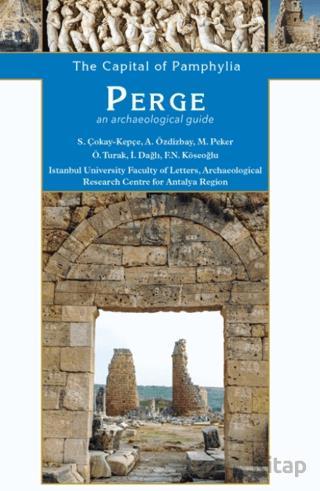
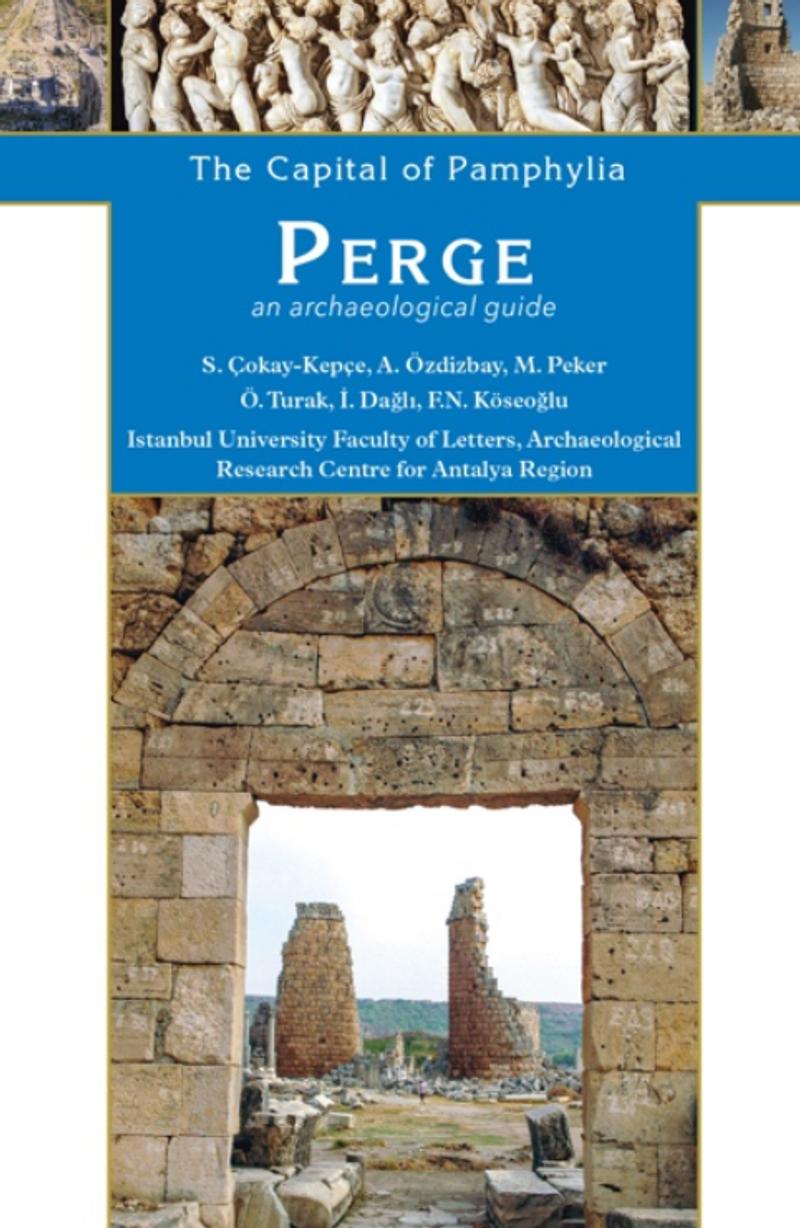
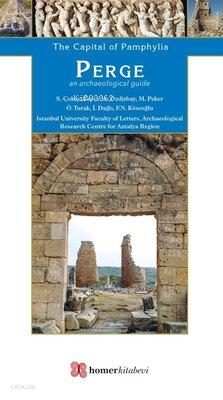
PERGE The Capital of Pamphylia Sedef Çokay Kepçe Aşkım Özdizbay Müjde Peker Özgür Turak İpek Dağlı Fatma Nihal Köseoğlu Istanbul University Faculty of Letters Archaeological Research Centre for Antalya Region Homer Antik Kentler Serisi ile birçok uygarlığa beşiklik yapan ülkemizdeki antik yerleşim yerlerinin tanıtımı korunması ve gelecek kuşaklara aktarılması amaçlanmaktadır Seri bilimsel nitelik taşımakla birlikte konunun uzmanı olmayanların ve bu kentleri gezecek ziyaretçilerin de anlayabileceği tarzda yazılmış ve çok sayıda görsel malzeme ile desteklenerek okuyucunun kenti hissetmesi hedeflenmiştir Genelde Türkçe ve İngilizce dillerinde eş zamanlı basılmaktadır Perge Kentinin Türkçe basımı ise daha önce yapılmış olup İngilizce yayınımız okuru ile yeni buluşmaktadır Homer Antik Kentler Serisinden günümüze kadar 17 antik kentin kitabı basılmıştır
Homer Kitabevi
Homer Antik Kentler Serisi ile birçok uygarlığa beşiklik yapan ülkemizdeki antik yerleşim yerlerinin tanıtımı korunması ve gelecek kuşaklara aktarılması amaçlanmaktadır Seri bilimsel nitelik taşımakla birlikte konunun uzmanı olmayanların ve bu kentleri gezecek ziyaretçilerin de anlayabileceği tarzda yazılmış ve çok sayıda görsel malzeme ile desteklenerek okuyucunun kenti hissetmesi hedeflenmiştir Genelde Türkçe ve İngilizce dillerinde eş zamanlı basılmaktadır Perge Kentinin Türkçe basımı ise daha önce yapılmış olup İngilizce yayınımız okuru ile yeni buluşmaktadır Homer Antik Kentler Serisinden günümüze kadar 17 antik kentin kitabı basılmıştırOur archaeological guides are written by well known archaeologists in the hope that they might evoke thespirit of these sites for anyone interested in the remains of Anatolian civilizations Illustrated with beautifulphotographs equipped with helpful plans and drawings they are essential resources for travelers in Turkey Perge is located in the modern Aksu district approximately 18 km northeast of the Antalya city centre Theregion covering Perge was called Pamphylia land of all tribes in antiquity which was bordered by Pisidia andtheTaurus Mountains from the north and the Mediterranean Sea from the south It approximately covers thepresent day Antalya plain The earliest evidence of humans in the city were found in the Acropolis indicatesLate Neolithic Chalcolithic Age In addition finds from the Late Chalcolithic Early Middle and Late BronzeAges were also unearthed During the Hellenistic Period the settlement expanded towards the plain to thesouth of the Acropolis Most of the structures visible on the surface of the city belong to the Roman ImperialPeriod which was its heyday The excavations in Perge in 1946 initiated by Ord Prof Dr Arif Müfid Mansel on behalf of the IstanbulUniversity were also the beginning of the first systematic Turkish excavation in the field ofClassicalArchaeologyinTurkey AfterManse
Homer Kitabevi
Our archaeological guides are written by well known archaeologists in the hope that they might evoke the spirit of these sites for anyone interested in the remains of Anatolian civilizations Illustrated with beautiful photographs equipped with helpful plans and drawings they are essential resources for travelers in Turkey Perge is located in the modern Aksu district approximately 18 km northeast of the Antalya city centre The region covering Perge was called Pamphylia land of all tribes in antiquity which was bordered by Pisidia and theTaurus Mountains from the north and the Mediterranean Sea from the south It approximately covers the present day Antalya plain The earliest evidence of humans in the city were found in the Acropolis indicates Late Neolithic Chalcolithic Age In addition finds from the Late Chalcolithic Early Middle and Late Bronze Ages were also unearthed During the Hellenistic Period the settlement expanded towards the plain to the south of the Acropolis Most of the structures visible on the surface of the city belong to the Roman Imperial Period which was its heyday The excavations in Perge in 1946 initiated by Ord Prof Dr Arif Mu fid Mansel on behalf of the Istanbul University were also the beginning of the first systematic Turkish excavation in the field of ClassicalArchaeologyinTurkey AfterMansel sdeath Prof Dr Jale I nan continued the excavations The book you are holding is prepared by the students of late Prof Dr Haluk Abbasog lu who continued the Perge excavations on behalf of the Istanbul University as the third excavation director Perge excavations are currently carried out by Prof Dr Sedef C okay Kepc e on behalf of Istanbul University We hope that this guide written by scholars who participated in the Perge excavations within their expertise to provide accurate information to the guests of the city would be helpful to its users We strongly recommend that you enrich your Perge trip by visiting the Antalya Archaeological Museum Visitors of the city will get to know Perge better after visiting the Antalya Archaeological Museum where a large number of artefacts found in the excavations are exhibited Tanıtım Bülteninden
Homer Kitabevi ve Yayıncılık
Our archaeological guides are written by well known archaeologists in the hope that they might evoke the spirit of these sites for anyone interested in the remains of Anatolian civilizations Illustrated with beautiful photographs equipped with helpful plans and drawings they are essential resources for travelers in Turkey Perge is located in the modern Aksu district approximately 18 km northeast of the Antalya city centre The region covering Perge was called Pamphylia land of all tribes in antiquity which was bordered by Pisidia and theTaurus Mountains from the north and the Mediterranean Sea from the south It approximately covers the present day Antalya plain The earliest evidence of humans in the city were found in the Acropolis indicates Late Neolithic Chalcolithic Age In addition finds from the Late Chalcolithic Early Middle and Late Bronze Ages were also unearthed During the Hellenistic Period the settlement expanded towards the plain to the south of the Acropolis Most of the structures visible on the surface of the city belong to the Roman Imperial Period which was its heyday The excavations in Perge in 1946 initiated by Ord Prof Dr Arif Mu fid Mansel on behalf of the Istanbul University were also the beginning of the first systematic Turkish excavation in the field of ClassicalArchaeologyinTurkey AfterMansel sdeath Prof Dr Jale I nan continued the excavations The book you are holding is prepared by the students of late Prof Dr Haluk Abbasog lu who continued the Perge excavations on behalf of the Istanbul University as the third excavation director Perge excavations are currently carried out by Prof Dr Sedef C okay Kepc e on behalf of Istanbul University We hope that this guide written by scholars who participated in the Perge excavations within their expertise to provide accurate information to the guests of the city would be helpful to its users We strongly recommend that you enrich your Perge trip by visiting the Antalya Archaeological Museum Visitors of the city will get to know Perge better after visiting the Antalya Archaeological Museum where a large number of artefacts found in the excavations are exhibited