Pessinous An Archaeological Guide — John Devreker
Pessinous An Archaeological Guide
John DevrekerHomer Kitabevi
Pessinous An Archaeological Guide
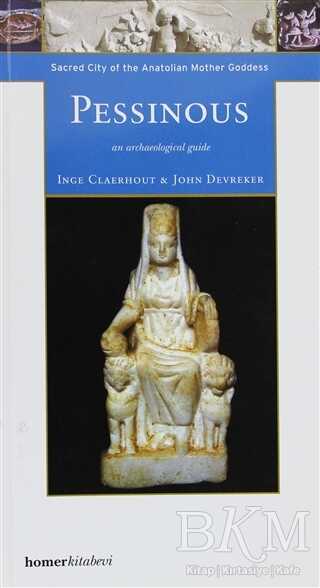
John DevrekerThe archaeological guides are written by well known archaeologists with the thought that they might evoke the spirit of these places for those are intersted in remains of Anatolian civilizations Illustrated with beauitiful photographs equipped with helpful plans and drawings they are essential to travellers to Turkey Pessinous the sacred city of the Anatolian Mother Goddess Kybele is situated cenrally on the Anatolian plateau about 150 km southwest of the capital Ankara A major part of the ancient city is situated under the modern village of Ballıhisar According to tradition the site dates back to the Phrygian era as a cult site and settlement The famous King Midas himself is supposed to have founded Pessinous and ercted the first sanctuary of Kybele in the 8 centruy BC The cult of the mother Goddess spread first across the Greek world and then from Pessinous throughout the Roman Empire and conquered the classical world The excavations that have been carried out at the site since 1967 by the Belgian Archaeological teams of Ghent Universty have heart of ancient Pessinous
Homer Kitabevi
The archaeological guides are written by well known archaeologists with the thought that they might evoke the spirit of these places for those are intersted in remains of Anatolian civilizations Illustrated with beauitiful photographs equipped with helpful plans and drawings they are essential to travellers to Turkey Pessinous the sacred city of the Anatolian Mother Goddess Kybele is situated cenrally on the Anatolian plateau about 150 km southwest of the capital Ankara A major part of the ancient city is situated under the modern village of Ballıhisar According to tradition the site dates back to the Phrygian era as a cult site and settlement The famous King Midas himself is supposed to have founded Pessinous and ercted the first sanctuary of Kybele in the 8 centruy BC The cult of the mother Goddess spread first across the Greek world and then from Pessinous throughout the Roman Empire and conquered the classical world The excavations that have been carried out at the site since 1967 by the Belgian Archaeological teams of Ghent Universty have heart of ancient Pessinous
Homer Kitabevi
The archaeological guides are written by well known archaeologists with the thought that they might evoke the spirit of these places for those are intersted in remains of Anatolian civilizations Illustrated with beauitiful photographs equipped with helpful plans and drawings they are essential to travellers to Turkey Pessinous the sacred city of the Anatolian Mother Goddess Kybele is situated cenrally on the Anatolian plateau about 150 km southwest of the capital Ankara A major part of the ancient city is situated under the modern village of Ballıhisar According to tradition the site dates back to the Phrygian era as a cult site and settlement The famous King Midas himself is supposed to have founded Pessinous and ercted the first sanctuary of Kybele in the 8 centruy BC The cult of the mother Goddess spread first across the Greek world and then from Pessinous throughout the Roman Empire and conquered the classical world The excavations that have been carried out at the site since 1967 by the Belgian Archaeological teams of Ghent Universty have heart of ancient Pessinous
Homer Kitabevi ve Yayıncılık
Pessinous the sacred city of the Anatoiian Mother Goddess Kybele is situated centrally on he Anatoiian plateau about 150 km southwest of the capital Ankara A majör part of the ancient city is situated under the modern village of Ballıhisar According to tradition the site dates back to the Phrygian era as a cult site and settlement The famous King Midas himseif is supposed to have founded Pessinous and erected the first sanctuary of Kybele in the 8 1 century BC The cult of the Mother Goddess spread first across the Greek world and then from Pessinous throughout the Roman Empire and conguered the classical world The excavations that have been carried out at the site since 1967 by the Belgian Archaeological teams of Ghent Clniversity have unearthed the heart of ancient Pessinous