Physics — Aristotle
Physics
AristotlePaper Books
Physics
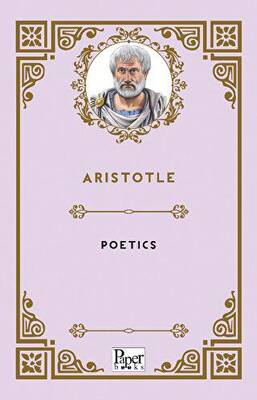
AristotleAristotle s Poetics is the earliest surviving work of Greek dramatic theory and first extant philosophical treatise to focus on literary theory In this text Aristotle offers an account of ποιητική which refers to poetry and more literally the poetic art deriving from the term for poet author maker ποιητής Aristotle divides the art of poetry into verse drama to include comedy tragedy and the satyr play lyric poetry and epic The genres all share the function of mimesis or imitation of life but differ in three ways that Aristotle describes Differences in music rhythm harmony meter and melody Difference of goodness in the characters Difference in how the narrative is presented telling a story or acting it out The surviving book of Poetics is primarily concerned with drama and the analysis of tragedy constitutes the core of the discussion
Paper Books
Aristotle s Poetics is the earliest surviving work of Greek dramatic theory and first extant philosophical treatise to focus on literary theory In this text Aristotle offers an account of ποιητική which refers to poetry and more literally the poetic art deriving from the term for poet author maker ποιητής Aristotle divides the art of poetry into verse drama to include comedy tragedy and the satyr play lyric poetry and epic The genres all share the function of mimesis or imitation of life but differ in three ways that Aristotle describes Differences in music rhythm harmony meter and melody Difference of goodness in the characters Difference in how the narrative is presented telling a story or acting it out The surviving book of Poetics is primarily concerned with drama and the analysis of tragedy constitutes the core of the discussion
Paper Books
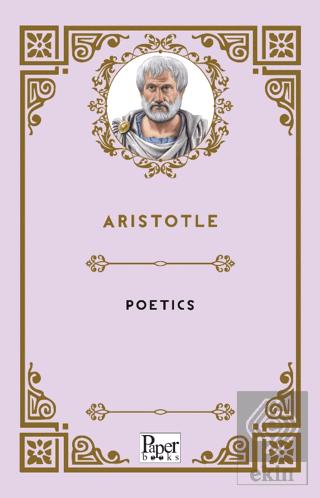
Aristotle s Poetics is the earliest surviving work of Greek dramatic theory and first extant philosophical treatise to focus on literary theory In this text Aristotle offers an account of ποιητικ which refers to poetry and more literally the poetic art deriving from the term for poet author maker ποιητ ς Aristotle divides the art of poetry into verse drama to include comedy tragedy and the satyr play lyric poetry and epic The genres all share the function of mimesis or imitation of life but differ in three ways that Aristotle describes Differences in music rhythm harmony meter and melody Difference of goodness in the characters Difference in how the narrative is presented telling a story or acting it out The surviving book of Poetics is primarily concerned with drama and the analysis of tragedy constitutes the core of the discussion
Paper Books
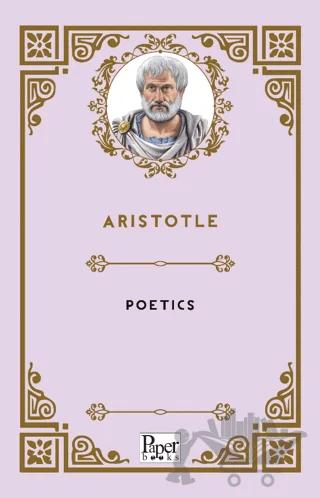
Aristotle s Poetics is the earliest surviving work of Greek dramatic theory and first extant philosophical treatise to focus on literary theory In this text Aristotle offers an account of ποιητική which refers to poetry and more literally the poetic art deriving from the term for poet author maker ποιητής Aristotle divides the art of poetry into verse drama to include comedy tragedy and the satyr play lyric poetry and epic The genres all share the function of mimesis or imitation of life but differ in three ways that Aristotle describes Differences in music rhythm harmony meter and melody Difference of goodness in the characters Difference in how the narrative is presented telling a story or acting it out The surviving book of Poetics is primarily concerned with drama and the analysis of tragedy constitutes the core of the discussion
Gece Kitaplığı
Our first presupposition must be that in nature nothing acts on or is acted on by any other thing at random nor may anything come from anything else unless we mean that it does so in virtue of a concomitant attribute For how could white come from musical unless musical happened to be an attribute of the not white or of the black No white comes from not white and not from any not white but from black or some intermediate colour Similarly musical comes to be from not musical but not from any thing other than musical but from unmusical or any intermediate state there may be
Gece Kitaplığı
Hence it is evident that the state is a creation of nature and that man is by nature a political animal Nature as we often say makes nothing in vain and man is the only animal whom she has endowed with the gift of speech And it is a characteristic of man that he alone has any sense of good and evil of just and unjust and the like and the association of living beings who have this sense makes a family and a state
Gece Kitaplığı
Our first presupposition must be that in nature nothing acts on or is acted on by any other thing at random nor may anything come from anything else unless we mean that it does so in virtue of a concomitant attribute For how could white come from musical unless musical happened to be an attribute of the not white or of the black No white comes from not white and not from any not white but from black or some intermediate colour Similarly musical comes to be from not musical but not from any thing other than musical but from unmusical or any intermediate state there may be
Gece Kitaplığı
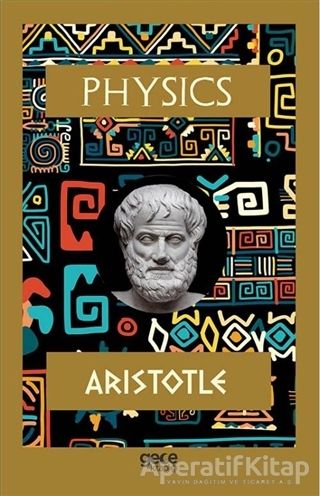
Our first presupposition must be that in nature nothing acts on or is acted onby any other thing at random nor may anything come from anything else unless we mean that it does so in virtue of a concomitant attribute For howcould white come from musical unless musical happened to be anattribute of the not white or of the black No white comes from not white and not from any not white but from black or some intermediate colour Similarly musical comes to be from not musical but not from any thingother than musical but from unmusical or any intermediate state there maybe Tanıtım Bülteninden
Gece Kitaplığı
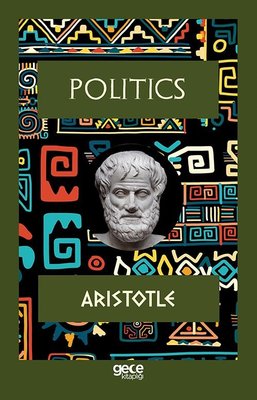
Hence it is evident that the state is a creation of nature and that man is by nature a political animal Nature as we often say makes nothing in vain and man is the only animal whom she has endowed with the gift of speech And it is a characteristic of man that he alone has any sense of good and evil of just and unjust and the like and the association of living beings who have this sense makes a family and a state Tanıtım Bülteninden
Gece Kitaplığı
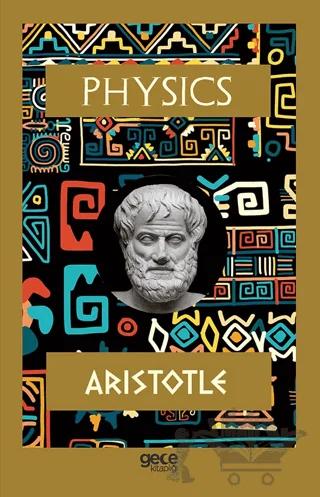
Aristotle tarafından kaleme alınan Physics Gece Kitaplığı eseri olarak okurlarla buluşuyor Physics Aristotle Kitap Özeti Our first presupposition must be that in nature nothing acts on or is acted on by any other thing at random nor may anything come from anything else unless we mean that it does so in virtue of a concomitant attribute For how could white come from musical unless musical happened to be an attribute of the not white or of the black No white comes from not white and not from any not white but from black or some intermediate colour Similarly musical comes to be from not musical but not from any thing other than musical but from unmusical or any intermediate state there may be Yayınevi Gece Kitaplığı Yazar Aristotle Sayfa 248 Sayfa Kağıt 2 Hamur Boyut 13 50x21 00 cm Basım Yılı Ekim 2021 Barkod 9786258002874 Kategori Yabancı Dilde Kitaplar Diğer Felsefe Kitapları
Gece Kitaplığı
Our first presupposition must be that in nature nothing acts on or is acted on by any other thing at random nor may anything come from anything else unless we mean that it does so in virtue of a concomitant attribute For how could white come from musical unless musical happened to be an attribute of the not white or of the black No white comes from not white and not from any not white but from black or some intermediate colour Similarly musical comes to be from not musical but not from any thing other than musical but from unmusical or any intermediate state there may be
Gece Kitaplığı
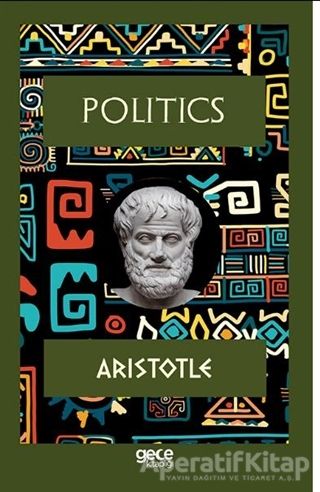
Aristotle tarafından kaleme alınan Politics Gece Kitaplığı eseri olarak okurlarla buluşuyor Politics Aristotle Kitap Özeti Hence it is evident that the state is a creation of nature and that man is by nature a political animal Nature as we often say makes nothing in vain and man is the only animal whom she has endowed with the gift of speech And it is a characteristic of man that he alone has any sense of good and evil of just and unjust and the like and the association of living beings who have this sense makes a family and a state Yayınevi Gece Kitaplığı Yazar Aristotle Sayfa 262 Sayfa Kağıt 2 Hamur Boyut 13 50x21 00 cm Basım Yılı Ekim 2021 Barkod 9786258032079 Kategori Yabancı Dilde Kitaplar Genel Felsefe
Gece Kitaplığı
Hence it is evident that the state is a creation of nature and that man is by nature a political animal Nature as we often say makes nothing in vain and man is the only animal whom she has endowed with the gift of speech And it is a characteristic of man that he alone has any sense of good and evil of just and unjust and the like and the association of living beings who have this sense makes a family and a state
Gece Kitaplığı Yayınları
Our first presupposition must be that in nature nothing acts on or is acted on by any other thing at random nor may anything come from anything else unless we mean that it does so in virtue of a concomitant attribute For how could white come from musical unless musical happened to be an attribute of the not white or of the black No white comes from not white and not from any not white but from black or some intermediate colour Similarly musical comes to be from not musical but not from any thing other than musical but from unmusical or any intermediate state there may be
Gece Kitaplığı
Our first presupposition must be that in nature nothing acts on or is acted on by any other thing at random nor may anything come from anything else unless we mean that it does so in virtue of a concomitant attribute For how could white come from musical unless musical happened to be an attribute of the not white or of the black No white comes from not white and not from any not white but from black or some intermediate colour Similarly musical comes to be from not musical but not from any thing other than musical but from unmusical or any intermediate state there may be img src https s3 eu west 1 amazonaws com dia kitadagitim ckeditor_assets pictures 53 content_1_original_original jpg alt height 15 width 15 font size 1 color white font img
Gece Kitaplığı Yayınları
Hence it is evident that the state is a creation of nature and that man is by nature a political animal Nature as we often say makes nothing in vain and man is the only animal whom she has endowed with the gift of speech And it is a characteristic of man that he alone has any sense of good and evil of just and unjust and the like and the association of living beings who have this sense makes a family and a state
Oxford University Press - Classics
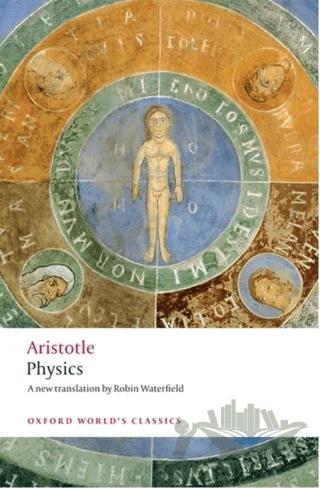
For many centuries Aristotle s Physics was the essential starting point for anyone who wished to study the natural sciencesThis book begins with an analysis of change which introduces us to Aristotle s central concepts of matter and form before moving on to an account of explanation in the sciences and a defence of teleological explanation Aristotle then turns to detailed important and often ingenious discussions of notions such as infinity place void time and conintuity He ends with an argument designed to show that the changes we experience in the world demand as their cause a single unchanging cause of all change namely God This is the first complete translation of Physics into English since 1930 It presents Aristotle s thought accurately while at the same time simplifying and expanding the often crabbed and elliptical style of the original so that it is very much easier to read A lucid introduction and extensive notes explain the general structure of each section of the book and shed light on particular problems
Oxford University Press - Classics
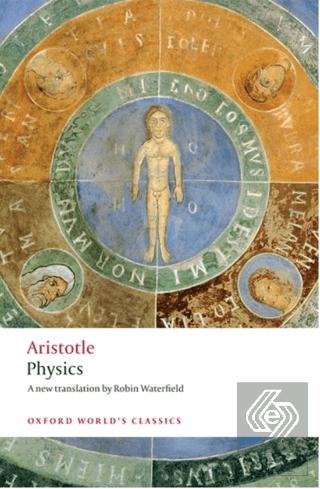
For many centuries Aristotles Physics was the essential starting point for anyone who wished to study the natural sciences This book begins with an analysis of change which introduces us to Aristotles central concepts of matter and form before moving on to an account of explanation in the sciences and a defence of teleological explanation Aristotle then turns to detailed important and often ingenious discussions of notions such as infinity place void time and conintuity He ends with an argument designed to show that the changes we experience in the world demand as their cause a single unchanging cause of all change namely God This is the first complete translation of Physics into English since 1930 It presents Aristotles thought accurately while at the same time simplifying and expanding the often crabbed and elliptical style of the original so that it is very much easier to read A lucid introduction and extensive notes explain the general structure of each section of the book and shed light on particular problems
Oxford University Press - Classics
For many centuries Aristotle s Physics was the essential starting point for anyone who wished to study the natural sciencesThis book begins with an analysis of change which introduces us to Aristotle s central concepts of matter and form before moving on to an account of explanation in the sciences and a defence of teleological explanation Aristotle then turns to detailed important and often ingenious discussions of notions such as infinity place void time and conintuity He ends with an argument designed to show that the changes we experience in the world demand as their cause a single unchanging cause of all change namely God This is the first complete translation of Physics into English since 1930 It presents Aristotle s thought accurately while at the same time simplifying and expanding the often crabbed and elliptical style of the original so that it is very much easier to read A lucid introduction and extensive notes explain the general structure of each section of the book and shed light on particular problems
Oxford University Press - Classics
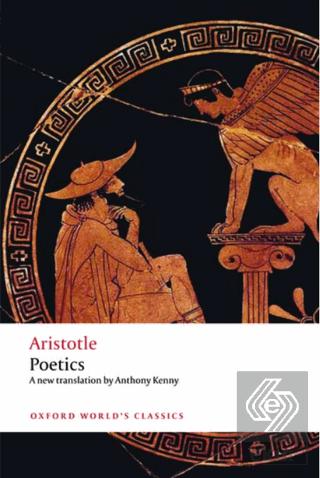
Aristotles Poetics is the most influential book on poetry ever written A founding text of European aesthetics and literary criticism from it stems much of our modern understanding of the creation and impact of imaginative writing including poetry drama and fiction For Aristotle the art of representation conveys universal truths which we can appreciate more easily than the lessons of history or philosophy In his short treatise Aristotle discusses the origins of poetry and its early development the nature of tragedy and plot and offers practical advice to playwrights This new translation by Anthony Kenny is accompanied by associated material from Plato and a range of responses from more modern literary practitioners Sir Philip Sidney P B Shelley and Dorothy L Sayers The book includes a wide ranging introduction and notes making this the most accessible and attractive modern edition
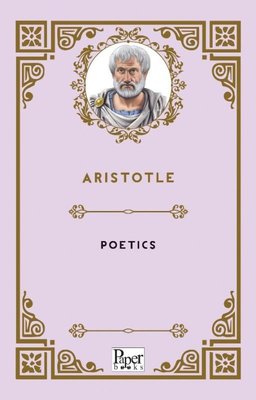
Paper Books
Aristotle s Poetics is the earliest surviving work of Greek dramatic theory and first extant philosophical treatise to focus on literary theory In this text Aristotle offers an account of ποιητική which refers to poetry and more literally the poetic art deriving from the term for poet author maker ποιητής Aristotle divides the art of poetry into verse drama to include comedy tragedy and the satyr play lyric poetry and epic The genres all share the function of mimesis or imitation of life but differ in three ways that Aristotle describes Differences in music rhythm harmony meter and melody Difference of goodness in the characters Difference in how the narrative is presented telling a story or acting it out The surviving book of Poetics is primarily concerned with drama and the analysis of tragedy constitutes the core of the discussion