Psychoanalytic Literary Criticism And Haruki Murakami Novels — Aytemis Depci

Psychoanalytic Literary Criticism And Haruki Murakami Novels
Aytemis DepciSerüven Yayınevi
Psychoanalytic Literary Criticism And Haruki Murakami Novels
Aytemis DepciFreud s focus on repressed desires and childhood trauma Jung s exploration of archetypes and the collective unconscious and Lacan s emphasis on the role of language and three registers in shaping identity all offer distinct yet complementary views of the unconscious This overview attempts to enrich our understanding towards psychoanalytic literary criticism and how literature reflects the complexities of the human condition The contemporary Japanese author Haruki Murakami s novels including Kafka on the Shore After Dark A Wild Sheep Chase and Hard Boiled Wonderland and the End of the World were selected for their rich symbolic content that lends itself to Lacanian and Jungian analysis By employing psychoanalytical frameworks I attempted to explore the psychological struggles of Murakami s protagonists particularly their feelings of alienation incompleteness and their quest for identity The application of Lacanian psychoanalysis to Murakami s novels centers on the notion of the Other a key concept in Lacan s theory which is essential for the protagonists process of self realization I also examined Jungian archetypes in relation to the protagonists inner conflicts and journeys of individuation revealing how Murakami s characters struggle to reconcile their inner selves with societal pressures globalization and modernity

Serüven Yayınevi
Freud s focus on repressed desires and childhood trauma Jung s exploration of archetypes and the collective unconscious and Lacan s emphasis on the role of language and three registers in shaping identity all offer distinct yet complementary views of the unconscious This overview attempts to enrich our understanding towards psychoanalytic literary criticism and how literature reflects the complexities of the human condition The contemporary Japanese author Haruki Murakami s novels including Kafka on the Shore After Dark A Wild Sheep Chase and Hard Boiled Wonderland and the End of the World were selected for their rich symbolic content that lends itself to Lacanian and Jungian analysis By employing psychoanalytical frameworks I attempted to explore the psychological struggles of Murakami s protagonists particularly their feelings of alienation incompleteness and their quest for identity The application of Lacanian psychoanalysis to Murakami s novels centers on the notion of the Other a key concept in Lacan s theory which is essential for the protagonists process of self realization I also examined Jungian archetypes in relation to the protagonists inner conflicts and journeys of individuation revealing how Murakami s characters struggle to reconcile their inner selves with societal pressures globalization and modernity

Serüven Yayınevi
Freud s focus on repressed desires and childhood trauma Jung s exploration of archetypes and the collective unconscious and Lacan s emphasis on the role of language and three registers in shaping identity all offer distinct yet complementary views of the unconscious This overview attempts to enrich our understanding towards psychoanalytic literary criticism and how literature reflects the complexities of the human condition The contemporary Japanese author Haruki Murakami s novels including Kafka on the Shore After Dark A Wild Sheep Chase and Hard Boiled Wonderland and the End of the World were selected for their rich symbolic content that lends itself to Lacanian and Jungian analysis By employing psychoanalytical frameworks I attempted to explore the psychological struggles of Murakami s protagonists particularly their feelings of alienation incompleteness and their quest for identity The application of Lacanian psychoanalysis to Murakami s novels centers on the notion of the Other a key concept in Lacan s theory which is essential for the protagonists process of self realization I also examined Jungian archetypes in relation to the protagonists inner conflicts and journeys of individuation revealing how Murakami s characters struggle to reconcile their inner selves with societal pressures globalization and modernity Tanıtım Bülteninden
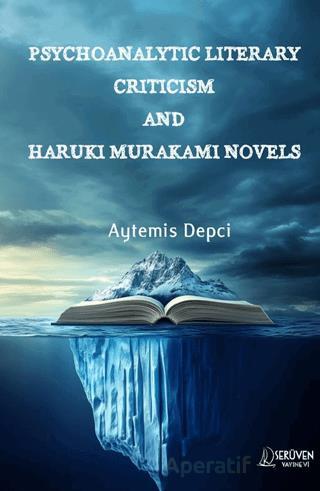
Serüven Kitap
Freud s focus on repressed desires and childhood trauma Jung s exploration of archetypes and the collective unconscious and Lacan s emphasis on the role of language and three registers in shaping identity all offer distinct yet complementary views of the unconscious This overview attempts to enrich our understanding towards psychoanalytic literary criticism and how literature reflects the complexities of the human condition The contemporary Japanese author Haruki Murakamis novels including Kafka on the Shore After Dark A Wild Sheep Chase and Hard Boiled Wonderland and the End of the World were selected for their rich symbolic content that lends itself to Lacanian and Jungian analysis By employing psychoanalytical frameworks I attempted to explore the psychological struggles of Murakami s protagonists particularly their feelings of alienation incompleteness and their quest for identity The application of Lacanian psychoanalysis to Murakami s novels centers on the notion of the Other a key concept in Lacan s theory which is essential for the protagonists process of self realization I also examined Jungian archetypes in relation to the protagonists inner conflicts and journeys of individuation revealing how Murakami s characters struggle to reconcile their inner selves with societal pressures globalization and modernity Yayınevi Serüven Kitap Yazar Aytemis Depci Sayfa 266 Sayfa Kağıt 2 Hamur Boyut 16 00x24 00 cm Basım Yılı Nisan 2025 Barkod 9786255552624 Kategori Araştırma İnceleme Referans Ekoller ve Yaklaşımlar

Serüven Yayınevi
Freud s focus on repressed desires and childhood trauma Jung s exploration of archetypes and the collective unconscious and Lacan s emphasis on the role of language and three registers in shaping identity all offer distinct yet complementary views of the unconscious This overview attempts to enrich our understanding towards psychoanalytic literary criticism and how literature reflects the complexities of the human condition The contemporary Japanese author Haruki Murakami s novels including Kafka on the Shore After Dark A Wild Sheep Chase and Hard Boiled Wonderland and the End of the World were selected for their rich symbolic content that lends itself to Lacanian and Jungian analysis By employing psychoanalytical frameworks I attempted to explore the psychological struggles of Murakami s protagonists particularly their feelings of alienation incompleteness and their quest for identity The application of Lacanian psychoanalysis to Murakami s novels centers on the notion of the Other a key concept in Lacan s theory which is essential for the protagonists process of self realization I also examined Jungian archetypes in relation to the protagonists inner conflicts and journeys of individuation revealing how Murakami s characters struggle to reconcile their inner selves with societal pressures globalization and modernity
Serüven Kitap
Freud s focus on repressed desires and childhood trauma Jung s exploration of archetypes and the collective unconscious and Lacan s emphasis on the role of language and three registers in shaping identity all offer distinct yet complementary views of the unconscious This overview attempts to enrich our understanding towards psychoanalytic literary criticism and how literature reflects the complexities of the human condition The contemporary Japanese author Haruki Murakami s novels including Kafka on the Shore After Dark A Wild Sheep Chase and Hard Boiled Wonderland and the End of the World were selected for their rich symbolic content that lends itself to Lacanian and Jungian analysis By employing psychoanalytical frameworks I attempted to explore the psychological struggles of Murakami s protagonists particularly their feelings of alienation incompleteness and their quest for identity The application of Lacanian psychoanalysis to Murakami s novels centers on the notion of the Other a key concept in Lacan s theory which is essential for the protagonists process of self realization I also examined Jungian archetypes in relation to the protagonists inner conflicts and journeys of individuation revealing how Murakami s characters struggle to reconcile their inner selves with societal pressures globalization and modernity