Qadi Registers in Bulgaria — Recep Çiğdem
Qadi Registers in Bulgaria
Recep ÇiğdemIRCICA
Qadi Registers in Bulgaria
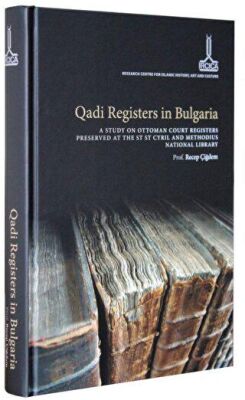
Recep ÇiğdemThisbookis theoutcomeofan extensiveresearch workbyProf Dr RecepÇiğdem from Harran Universityin Turkey It ispublished within IRCICA sSeriesof ShariaCourt Registers Itanalyzes therecordsof the Ottoman Sharialaw courtspreservedatSt St Cyriland Methodius NationalLibraryin Bulgaria In the first chapter of the book the author gives information on the cases dealt with by these courts the procedures for the appointment of the qadis judges and naibs deputy judges the terminology of judicial records documents issued by the courts and a number of other subjects of interest for the law historian The second chapter is devoted to Muslim minority courts with coverage of such themes as the structure of the Sharia courts the First Instance Court theCourtof Appeals the High ShariaCourt relationsbetween theShariacourtsandsecular courts administrativeauthorities officials lawyers the extent of the power of these courts among others The third chapter which is the main part of the study examines individual registers A total of 191 registerspreservedin the library were scrutinizedanddocuments relatedtoeach case were scanned The ForewordofProf Çiğdem explains in detail the salient featuresofeach chapterandspecifies that thethirdchapter focuses mainlyon theShariacourtsof theindependenceperiodin Bulgaria specifically between 1878 1945 The extensive bibliography and the index of personal names will be useful for researchers concerned
IRCICA
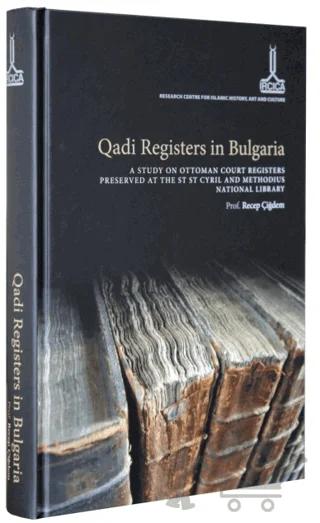
Thisbookis theoutcomeofan extensiveresearch workbyProf Dr RecepÇiğdem from Harran Universityin Turkey It ispublished within IRCICA sSeriesof ShariaCourt Registers Itanalyzes therecordsof the Ottoman Sharialaw courtspreservedatSt St Cyriland Methodius NationalLibraryin Bulgaria In the first chapter of the book the author gives information on the cases dealt with by these courts the procedures for the appointment of the qadis judges and naibs deputy judges the terminology of judicial records documents issued by the courts and a number of other subjects of interest for the law historian The second chapter is devoted to Muslim minority courts with coverage of such themes as the structure of the Sharia courts the First Instance Court theCourtof Appeals the High ShariaCourt relationsbetween theShariacourtsandsecular courts administrativeauthorities officials lawyers the extent of the power of these courts among others The third chapter which is the main part of the study examines individual registers A total of 191 registerspreservedin the library were scrutinizedanddocuments relatedtoeach case were scanned The ForewordofProf Çiğdem explains in detail the salient featuresofeach chapterandspecifies that thethirdchapter focuses mainlyon theShariacourtsof theindependenceperiodin Bulgaria specifically between 1878 1945 The extensive bibliography and the index of personal names will be useful for researchers concerned
IRCICA
This book is the outcome of an extensive research work by Prof Dr Recep Çiğdem from Harran Universityin Turkey It is published within IRCICA s Seriesof ShariaCourt Registers Itanalyzes the records of the Ottoman Sharialaw courts preserved at St St Cyriland Methodius National Libraryin Bulgaria In the first chapter of the book the author gives information on the cases dealt with by these courts the procedures for the appointment of the qadis judges and naibs deputy judges the terminology of judicial records documents issued by the courts and a number of other subjects of interest for the law historian The second chapter is devoted to Muslim minority courts with coverage of such themes as the structure of the Sharia courts the First Instance Court the Courtof Appeals the High Sharia Court relations between the Shariacourtsandsecular courts administrative authorities officials lawyers the extent of the power of these courts among others The third chapter which is the main part of the study examines individual registers A total of 191 registers preservedin the library were scrutinizedanddocuments relatedtoeach case were scanned The Fore word of Prof Çiğdem explains in detail the salient featuresofeach chapter and specifies that the third chapter focuses mainlyon the Sharia courts of the independence periodin Bulgaria specifically between 1878 1945 The extensive bibliography and the index of personal names will be useful for researchers concerned