Qatari Foreign Policy in a Precarious Decade — Ali Abo Rezeg
Qatari Foreign Policy in a Precarious Decade
Ali Abo RezegSeta Yayınları
Qatari Foreign Policy in a Precarious Decade
Ali Abo RezegBu kitap birkaç Arap başkentini vuran protestolarla başlayıp Körfez uzlaşmasıyla sona eren ve üç buçuk yıllık Arap savaşına son veren istikrarsız 2011 2021 on yılında Katar ın proaktif dış politikasını analiz etme girişimidir Körfez sırası Arap monarşilerinin aksine Katar 2010 un sonlarında patlak verdikleri andan itibaren Arap devrimlerine karşı destekleyici bir pozisyon benimsedi Aslında Katar ın El Cezire ağı Arap kitleleri için önemli bir medya seferber edici ve devrimci değişimin önemli bir destekçisi olmuştu Bölgedeki süreç Ayrıca Katar Libya ve Suriye ye insani müdahale için Arap ve uluslararası desteği teşvik etmek için çaba sarf etti ve oradaki devrimci güçleri hem mali hem de askeri olarak cömertçe destekledi Fakat Katar ın siyasi sisteminin muhafazakar monarşik tipte olduğu gerçeği göz önüne alındığında bu kitap Doha yı Arap Baharı sırasında bölgede değişim yanlısı bir politika benimsemeye iten dinamikleri rejim tiplerinin önemli olup olmadığını sorarak gözden geçirmeyi amaçlamaktadır jeopolitik erişimleri dahilinde meydana gelen devrimlere kendi tepkileri Körfez krizinin ardındaki sebepler ile KİK ülkeleri arasındaki uçuruma yol açan jeopolitik ve uluslararası dönüşümler ile krizi istenilen sona getiren ülkeler de tartışılmaktadır
Seta Yayınları
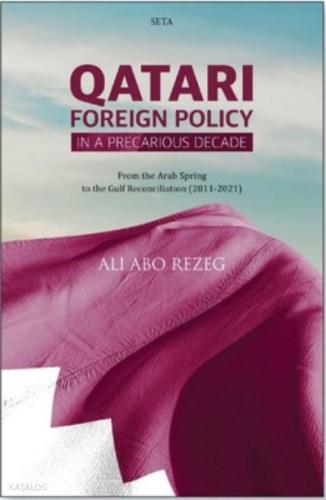
This book is a bid to analyze the Qatari proactive foreign policy in the precarious decade of 2011 2021 which commenced with the protests that hit several Arab capitals and ended with the Gulf reconciliation that put an end to the three and a half years of the Gulf row Unlike the Arab monarchies Qatar adopted a supportive position toward the Arab revolutions since the moment they broke out in late 2010 In fact Qatar s Al Jazeera network had been an essential media mobilizer for the Arab masses and a major promoter of the revolutionary change process in the region Furthermore Qatar made efforts to encourage Arab and international support for humanitarian intervention in Libya and Syria and generously backed revolutionary forces there both financially and militarily However Qatar s pro Arab Spring policies weakened its relations with its conservative neighbors namely Saudi Arabia the United Arab Emirates UAE and Bahrain which consequently prompted them to boycott Doha and withdraw their ambassadors in 2014 Following this in the summer of 2017 the same three states along with Egypt announced a total boycott and embargo on Doha before that rift was finally resolved in early 2021 Given the fact that Qatar s political system is of the conservative monarchic type this book aims to review the dynamics that drove Doha to embrace a pro change policy in the region during the Arab Spring by asking whether regime types matter in terms of their respective reactions to revolutions that occur within their geopolitical reach It also discusses the reasons behind the Gulf crisis with the geopolitical and international transformations that led to the rift between the GCC countries and those that brought the crisis to the desired end

Seta Yayınları
This book is a bid to analyze the Qatari proactive foreign policy in the precarious decade of 2011 2021 which commenced with the protests that hit several Arab capitals and ended with the Gulf reconciliation that put an end to the three and a half years of the Gulf row Unlike the Arab monarchies Qatar adopted a supportive position toward the Arab revolutions since the moment they broke out in late 2010 In fact Qatar s Al Jazeera network had been an essential media mobilizer for the Arab masses and a major promoter of the revolutionary change process in the region Furthermore Qatar made efforts to encourage Arab and international support for humanitarian intervention in Libya and Syria and generously backed revolutionary forces there both financially and militarily However Qatar s pro Arab Spring policies weakened its relations with its conservative neighbors namely Saudi Arabia the United Arab Emirates UAE and Bahrain which consequently prompted them to boycott Doha and withdraw their ambassadors in 2014 Following this in the summer of 2017 the same three states along with Egypt announced a total boycott and embargo on Doha before that rift was finally resolved in early 2021 Given the fact that Qatar s political system is of the conservative monarchic type this book aims to review the dynamics that drove Doha to embrace a pro change policy in the region during the Arab Spring by asking whether regime types matter in terms of their respective reactions to revolutions that occur within their geopolitical reach It also discusses the reasons behind the Gulf crisis with the geopolitical and international transformations that led to the rift between the GCC countries and those that brought the crisis to the desired end
Seta Yayınları
Ali Abo Rezeg tarafından kaleme alınan Qatari Foreign Policy in a Precarious Decade Seta Yayınları eseri olarak okurlarla buluşuyor Qatari Foreign Policy in a Precarious Decade Ali Abo Rezeg Kitap Özeti This book is a bid to analyze the Qatari proactive foreign policy in the precarious decade of 2011 2021 which commenced with the protests that hit several Arab capitals and ended with the Gulf reconciliation that put an end to the three and a half years of the Gulf row Unlike the Arab monarchies Qatar adopted a supportive position toward the Arab revolutions since the moment they broke out in late 2010 In fact Qatar s Al Jazeera network had been an essential media mobilizer for the Arab masses and a major promoter of the revolutionary change process in the region Furthermore Qatar made efforts to encourage Arab and international support for humanitarian intervention in Libya and Syria and generously backed revolutionary forces there both financially and militarily However Qatar s pro Arab Spring policies weakened its relations with its conservative neighbors namely Saudi Arabia the United Arab Emirates UAE and Bahrain which consequently prompted them to boycott Doha and withdraw their ambassadors in 2014 Following this in the summer of 2017 the same three states along with Egypt announced a total boycott and embargo on Doha before that rift was finally resolved in early 2021 Given the fact that Qatar s political system is of the conservative monarchic type this book aims to review the dynamics that drove Doha to embrace a pro change policy in the region during the Arab Spring by asking whether regime types matter in terms of their respective reactions to revolutions that occur within their geopolitical reach It also discusses the reasons behind the Gulf crisis with the geopolitical and international transformations that led to the rift between the GCC countries and those that brought the crisis to the desired end Yayınevi Seta Yayınları Yazar Ali Abo Rezeg Sayfa 240 Sayfa Kağıt 2 Hamur Boyut 15 00x23 00 cm Basım Yılı Mart 2023 Barkod 9786258322392 Kategori Araştırma İnceleme
Seta Yayınları
This book is a bid to analyze the Qatari proactive foreign policy in the precarious decade of 2011 2021 which commenced with the protests that hit several Arab capitals and ended with the Gulf reconciliation that put an end to the three and a half years of the Gulf row Unlike the Arab monarchies Qatar adopted a supportive position toward the Arab revolutions since the moment they broke out in late 2010 In fact Qatar s Al Jazeera network had been an essential media mobilizer for the Arab masses and a major promoter of the revolutionary change process in the region Furthermore Qatar made efforts to encourage Arab and international support for humanitarian intervention in Libya and Syria and generously backed revolutionary forces there both financially and militarily However Qatar s pro Arab Spring policies weakened its relations with its conservative neighbors namely Saudi Arabia the United Arab Emirates UAE and Bahrain which consequently prompted them to boycott Doha and withdraw their ambassadors in 2014 Following this in the summer of 2017 the same three states along with Egypt announced a total boycott and embargo on Doha before that rift was finally resolved in early 2021 Given the fact that Qatar s political system is of the conservative monarchic type this book aims to review the dynamics that drove Doha to embrace a pro change policy in the region during the Arab Spring by asking whether regime types matter in terms of their respective reactions to revolutions that occur within their geopolitical reach It also discusses the reasons behind the Gulf crisis with the geopolitical and international transformations that led to the rift between the GCC countries and those that brought the crisis to the desired end
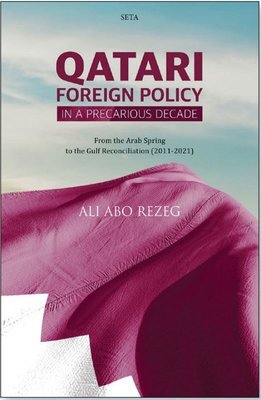
Seta Yayınları
This book is a bid to analyze the Qatari proactive foreign policy in the precarious decade of 2011 2021 which commenced with the protests that hit several Arab capitals and ended with the Gulf reconciliation that put an end to the three and a half years of the Gulf row Unlike the Arab monarchies Qatar adopted a supportive position toward the Arab revolutions since the moment they broke out in late 2010 In fact Qatar s Al Jazeera network had been an essential media mobilizer for the Arab masses and a major promoter of the revolutionary change process in the region Furthermore Qatar made efforts to encourage Arab and international support for humanitarian intervention in Libya and Syria and generously backed revolutionary forces there both financially and militarily However Qatar s pro Arab Spring policies weakened its relations with its conservative neighbors namely Saudi Arabia the United Arab Emirates UAE and Bahrain which consequently prompted them to boycott Doha and withdraw their ambassadors in 2014 Following this in the summer of 2017 the same three states along with Egypt announced a total boycott and embargo on Doha before that rift was finally resolved in early 2021 Given the fact that Qatar s political system is of the conservative monarchic type this book aims to review the dynamics that drove Doha to embrace a pro change policy in the region during the Arab Spring by asking whether regime types matter in terms of their respective reactions to revolutions that occur within their geopolitical reach It also discusses the reasons behind the Gulf crisis with the geopolitical and international transformations that led to the rift between the GCC countries and those that brought the crisis to the desired end