Secularism And State Religion In Modern Turkey — Emir Kaya
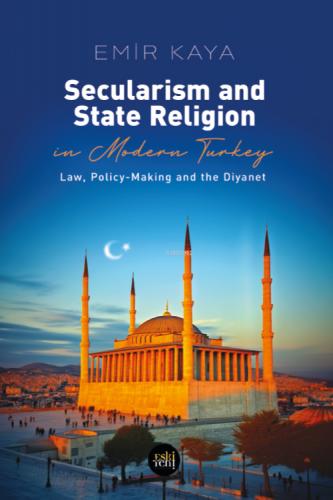
Secularism And State Religion In Modern Turkey
Emir KayaEski Yeni Yayınları
Secularism And State Religion In Modern Turkey
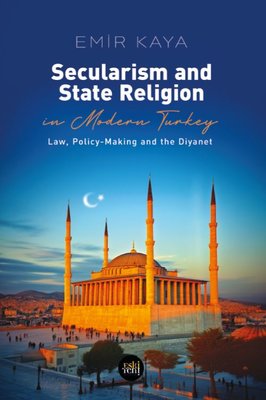
Emir KayaThe Diyanet the official face of Islam in Turkey is the Presidency of Religious Affairs a governmental department established in 1924 after the break up of the Ottoman Empire and the abolition of Caliphate In this book Emir Kaya offers an in depth multidisciplinary analysis of this vital institution Focusing on the role of the Diyanet in society Kaya explores the balance the institution has to strike between the Muslim traditions of the Turkish population and the secular creed of the Turkish state By examining the various laws that either bolstered or hindered the Diyanet s budgets and activities Kaya highlights the institutional mindsets of the Diyanet membership He also evaluates its successes and failures as a state department that must consistently operate within the context of the religiosity of Turkish society By situating all of this within the two competing but often complementary concepts of religion and secularism Kaya offers a book that is important for those researching the interplay of Islam and the state in Turkey and beyond This fascinating study of law in action demonstrates the skilful arrangements that Turkey as a modern secular Muslim polity has put in place and navigates successfully to survive and prosper as a nation Detailed examination of the Diyanet as a central institution to manage Turkey s Islamo secular identity clarifies that law and religion must learn to co exist and can indeed work together for the greater good
Eski Yeni Yayınları
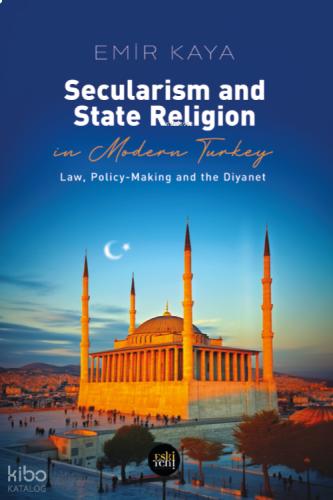
The Diyanet the official face of Islam in Turkey is the Presidency of Religious Affairs a governmental department established in 1924 after the break up of the Ottoman Empire and the abolition of Caliphate In this book Emir Kaya offers an in depth multidisciplinary analysis of this vital institution Focusing on the role of the Diyanet in society Kaya explores the balance the institution has to strike between the Muslim traditions of the Turkish population and the secular creed of the Turkish state By examining the various laws that either bolstered or hindered the Diyanet s budgets and activities Kaya highlights the institutional mindsets of the Diyanet membership He also evaluates its successes and failures as a state department that must consistently operate within the context of the religiosity of Turkish society By situating all of this within the two competing but often complementary concepts of religion and secularism Kaya offers a book that is important for those researching the interplay of Islam and the state in Turkey and beyond This fascinating study of law in action demonstrates the skilful arrangements that Turkey as a modern secular Muslim polity has put in place and navigates successfully to survive and prosper as a nation Detailed examination of the Diyanet as a central institution to manage Turkey s Islamo secular identity clarifies that law and religion must learn to co exist and can indeed work together for the greater good
Eski Yeni Yayınları
The Diyanet the official face of Islam in Turkey is the Presidency of Religious Affairs a governmental department established in 1924 after the break up of the Ottoman Empire and the abolition of Caliphate In this book Emir Kaya offers an in depth multidisciplinary analysis of this vital institution Focusing on the role of the Diyanet in society Kaya explores the balance the institution has to strike between the Muslim traditions of the Turkish population and the secular creed of the Turkish state By examining the various laws that either bolstered or hindered the Diyanet s budgets and activities Kaya highlights the institutional mindsets of the Diyanet membership He also evaluates its successes and failures as a state department that must consistently operate within the context of the religiosity of Turkish society By situating all of this within the two competing but often complementary concepts of religion and secularism Kaya offers a book that is important for those researching the interplay of Islam and the state in Turkey and beyond This fascinating study of law in action demonstrates the skilful arrangements that Turkey as a modern secular Muslim polity has put in place and navigates successfully to survive and prosper as a nation Detailed examination of the Diyanet as a central institution to manage Turkey s Islamo secular identity clarifies that law and religion must learn to co exist and can indeed work together for the greater good
Eskiyeni Yayınları
The Diyanet the official face of Islam in Turkey is the Presidency of Religious Affairs a governmental department established in 1924 after the break up of the Ottoman Empire and the abolition of Caliphate In this book Emir Kaya offers an in depth multidisciplinary analysis of this vitalinstitution Focusing on the role of the Diyanet in society Kaya explores the balance the institution has to strike between the Muslim traditions of the Turkish population and the secular creed of the Turkish state By examining the various laws that either bolstered or hindered the Diyanet s budgets and activities Kaya highlights the institutional mindsets of the Diyanet membership He also evaluates its successes and failures as a state department that must consistently operate within the context of the religiosity of Turkish society By situating all of this within the two competing but often complementary concepts of religion and secularism Kaya offers a book that is important for those researching the interplay of Islam and the state in Turkey and beyond This fascinating study of law in action demonstrates the skilful arrangements that Turkey as a modern secular Muslim polity has put in place and navigates successfully to survive and prosper as a nation Detailed examination of the Diyanet as a central institution to manage Turkey s Islamo secular identity clarifies that law and religion must learn to co exist and can indeed work together for the greater good Werner Menski Emeritus Professor of Law SOAS University of London This impressive book offers a probing analysis of the role and the evolution of Turkey s Directorate of Religious Affairs along with ongoing tension between secularism and Islam Kaya is thoughtful persuasive and objective in his analysis This will become one of the authoritative books on the Diyanet M Hakan Yavuz Professor of Political Science University of Utah Kaya makes an important contribution to a growing literature in Turkish studies that questions the usefulness of standard tropes characterizing Turkish politics and society along a secular vs religious divide Deploying descriptive methods of legal pluralist theory the book seeks to avoid the vicious circles of secularism talk that have convoluted the study of the relationship between state religion and society in Turkey for decades Kristin E Fabbe Associate Professor of Business Administration Harvard University
Eskiyeni Yayınları
The Diyanet the official face of Islam in Turkey is the Presidency of Religious Affairs a governmental department established in 1924 after the break up of the Ottoman Empire and the abolition of Caliphate In this book Emir Kaya offers an in depth multidisciplinary analysis of this vitalinstitution Focusing on the role of the Diyanet in society Kaya explores the balance the institution has to strike between the Muslim traditions of the Turkish population and the secular creed of the Turkish state By examining the various laws that either bolstered or hindered the Diyanet s budgets and activities Kaya highlights the institutional mindsets of the Diyanet membership He also evaluates its successes and failures as a state department that must consistently operate within the context of the religiosity of Turkish society By situating all of this within the two competing but often complementary concepts of religion and secularism Kaya offers a book that is important for those researching the interplay of Islam and the state in Turkey and beyond This fascinating study of law in action demonstrates the skilful arrangements that Turkey as a modern secular Muslim polity has put in place and navigates successfully to survive and prosper as a nation Detailed examination of the Diyanet as a central institution to manage Turkey s Islamo secular identity clarifies that law and religion must learn to co exist and can indeed work together for the greater good Werner Menski Emeritus Professor of Law SOAS University of London This impressive book offers a probing analysis of the role and the evolution of Turkey s Directorate of Religious Affairs along with ongoing tension between secularism and Islam Kaya is thoughtful persuasive and objective in his analysis This will become one of the authoritative books on the Diyanet M Hakan Yavuz Professor of Political Science University of Utah Kaya makes an important contribution to a growing literature in Turkish studies that questions the usefulness of standard tropes characterizing Turkish politics and society along a secular vs religious divide Deploying descriptive methods of legal pluralist theory the book seeks to avoid the vicious circles of secularism talk that have convoluted the study of the relationship between state religion and society in Turkey for decades Kristin E Fabbe Associate Professor of Business Administration Harvard University