Silas Marner The Weaver of Raveloe — George Eliot
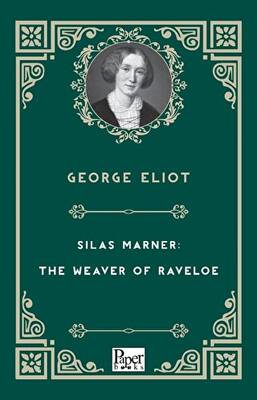
Silas Marner The Weaver of Raveloe
George EliotPaper Books
Silas Marner The Weaver of Raveloe
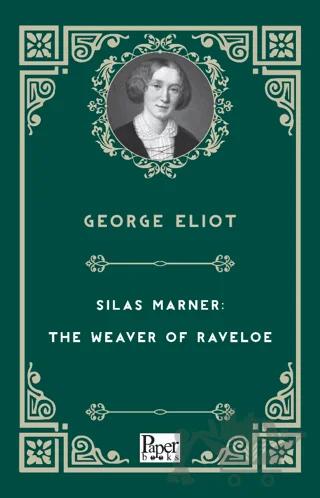
George EliotSilas Marner The Weaver of Raveloe is the third novel by Mary Ann Evans George Eliot It was published in 1861 An outwardly simple tale of a linen weaver the novel is notable for its strong realism and its sophisticated treatment of a variety of issues ranging from religion to industrialisation to community The novel is set in the early years of the 19th century Silas Marner a weaver is a member of a small Calvinist congregation in Lantern Yard a slum street in Northern England He is falsely accused of stealing the congregation s funds while watching over the very ill deacon Two pieces of evidence implicate Silas a pocket knife and the discovery in his own house of the bag formerly containing the money There is the strong suggestion that Silas best friend William Dane has framed him since Silas had lent his pocket knife to William shortly before the crime was committed Lots are drawn in the belief also shared by Silas that God will direct the process and establish the truth but they indicate that Silas is guilty The woman Silas was to marry breaks their engagement and marries William instead With his life shattered his trust in God lost and his heart broken Silas leaves Lantern Yard and the city for a rural area where he is unknown
Paper Books
Silas Marner The Weaver of Raveloe is the third novel by Mary Ann Evans George Eliot It was published in 1861 An outwardly simple tale of a linen weaver the novel is notable for its strong realism and its sophisticated treatment of a variety of issues ranging from religion to industrialisation to community The novel is set in the early years of the 19th century Silas Marner a weaver is a member of a small Calvinist congregation in Lantern Yard a slum street in Northern England He is falsely accused of stealing the congregation s funds while watching over the very ill deacon Two pieces of evidence implicate Silas a pocket knife and the discovery in his own house of the bag formerly containing the money There is the strong suggestion that Silas best friend William Dane has framed him since Silas had lent his pocket knife to William shortly before the crime was committed Lots are drawn in the belief also shared by Silas that God will direct the process and establish the truth but they indicate that Silas is guilty The woman Silas was to marry breaks their engagement and marries William instead With his life shattered his trust in God lost and his heart broken Silas leaves Lantern Yard and the city for a rural area where he is unknown
Paper Books
Silas Marner The Weaver of Raveloe is the third novel by Mary Ann Evans George Eliot It was published in 1861 An outwardly simple tale of a linen weaver the novel is notable for its strong realism and its sophisticated treatment of a variety of issues ranging from religion to industrialisation to community The novel is set in the early years of the 19th century Silas Marner a weaver is a member of a small Calvinist congregation in Lantern Yard a slum street in Northern England He is falsely accused of stealing the congregation s funds while watching over the very ill deacon Two pieces of evidence implicate Silas a pocket knife and the discovery in his own house of the bag formerly containing the money There is the strong suggestion that Silas best friend William Dane has framed him since Silas had lent his pocket knife to William shortly before the crime was committed Lots are drawn in the belief also shared by Silas that God will direct the process and establish the truth but they indicate that Silas is guilty The woman Silas was to marry breaks their engagement and marries William instead With his life shattered his trust in God lost and his heart broken Silas leaves Lantern Yard and the city for a rural area where he is unknown
Paper Books
Silas Marner The Weaver of Raveloe is the third novel by Mary Ann Evans George Eliot It was published in 1861 An outwardly simple tale of a linen weaver the novel is notable for its strong realism and its sophisticated treatment of a variety of issues ranging from religion to industrialisation to community The novel is set in the early years of the 19th century Silas Marner a weaver is a member of a small Calvinist congregation in Lantern Yard a slum street in Northern England He is falsely accused of stealing the congregation s funds while watching over the very ill deacon Two pieces of evidence implicate Silas a pocket knife and the discovery in his own house of the bag formerly containing the money There is the strong suggestion that Silas best friend William Dane has framed him since Silas had lent his pocket knife to William shortly before the crime was committed Lots are drawn in the belief also shared by Silas that God will direct the process and establish the truth but they indicate that Silas is guilty The woman Silas was to marry breaks their engagement and marries William instead With his life shattered his trust in God lost and his heart broken Silas leaves Lantern Yard and the city for a rural area where he is unknown
Paper Books
Silas Marner The Weaver of Raveloe is the third novel by Mary Ann Evans George Eliot It was published in 1861 An outwardly simple tale of a linen weaver the novel is notable for its strong realism and its sophisticated treatment of a variety of issues ranging from religion to industrialisation to community The novel is set in the early years of the 19th century Silas Marner a weaver is a member of a small Calvinist congregation in Lantern Yard a slum street in Northern England He is falsely accused of stealing the congregation s funds while watching over the very ill deacon Two pieces of evidence implicate Silas a pocket knife and the discovery in his own house of the bag formerly containing the money There is the strong suggestion that Silas best friend William Dane has framed him since Silas had lent his pocket knife to William shortly before the crime was committed Lots are drawn in the belief also shared by Silas that God will direct the process and establish the truth but they indicate that Silas is guilty The woman Silas was to marry breaks their engagement and marries William instead With his life shattered his trust in God lost and his heart broken Silas leaves Lantern Yard and the city for a rural area where he is unknown
Oxford University Press - Classics
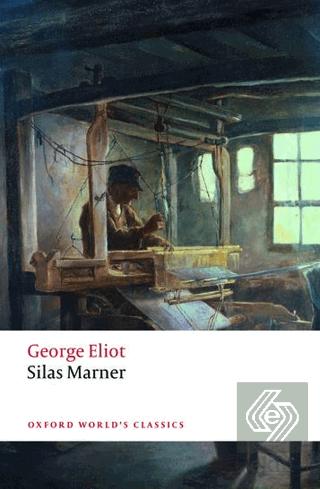
This edition which uses the 1878 Cabinet edition is based on the last edition for which Eliot provided corrections A fresh introduction that places the novel in its biographical intellectual and critical context while also paying close attention to the nuances and patterns of the work It considers in particular the themes of memory and parenthood the combination of realism and fable the novels preoccupation with mystery and interpretation its focus on habits and Eliots extraordinarily complex use of the imagery of threads and weaving The note on the text offers a clearer and more accurate account of the novels publication history than can be found in other editions There are extensive and clearly presented textual variants which are not found in other editions These have drawn on archival research in the British Library and the Harry Ransom Center in Austin Texas Up to date Bibliography and detailed explanatory notes New to this Edition Introduction by Juliette Atkinson informed by the latest critical and scholarly thinking on the novel New and expanded Notes