Sociology of the Commons and Rural Land Ownership in Burkina Faso — Antoine Dolcerocca
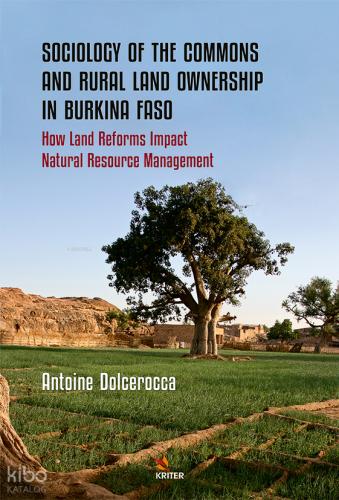
Sociology of the Commons and Rural Land Ownership in Burkina Faso
Antoine DolceroccaKriter Yayınları
Sociology of the Commons and Rural Land Ownership in Burkina Faso
Antoine DolceroccaThis book bridges sociological and political economy perspectives on land commons in sub Saharan Africa focusing on Burkina Faso It critically examines the impact of state recognized customary land rights challenging the notion that formalization alone enhances rural livelihoods and environmental management Instead it argues that neoliberal policies and market driven land reforms have led to land commodification destabilizing traditional property regimes and exacerbating rural impoverishment By exploring the Burkinabè state commons new forms of collaborations between the state and customary regimes the book proposes an alternative path to the relentless commodification of land observed across the Global South This case study reveals the potential for a unique synthesis of state and commons that could mitigate the ongoing depeasantization in Burkina Faso and offer lessons for rural land governance worldwide
Kriter Yayınları
Antoine Dolcerocca tarafından kaleme alınan Sociology of the Commons and Rural Land Ownership in Burkina Faso Kriter Yayınları eseri olarak okurlarla buluşuyor Sociology of the Commons and Rural Land Ownership in Burkina Faso Antoine Dolcerocca Kitap Özeti This book bridges sociological and political economy perspectives on land commons in sub Saharan Africa focusing on Burkina Faso It critically examines the impact of state recognized customary land rights challenging the notion that formalization alone enhances rural livelihoods and environmental management Instead it argues that neoliberal policies and market driven land reforms have led to land commodification destabilizing traditional property regimes and exacerbating rural impoverishment By exploring the Burkinabè state commons new forms of collaborations between the state and customary regimes the book proposes an alternative path to the relentless commodification of land observed across the Global South This case study reveals the potential for a unique synthesis of state and commons that could mitigate the ongoing depeasantization in Burkina Faso and offer lessons for rural land governance worldwide Yayınevi Kriter Yayınları Yazar Antoine Dolcerocca Sayfa 148 Sayfa Kağıt 2 Hamur Boyut 16 00x24 00 cm Basım Yılı Kasım 2024 Barkod 9786256103368 Kategori Genel Sosyoloji
Kriter Yayınları
This book bridges sociological and political economy perspectives on land commons in sub Saharan Africa focusing on Burkina Faso It critically examines the impact of state recognized customary land rights challenging the notion that formalization alone enhances rural livelihoods and environmental management Instead it argues that neoliberal policies and market driven land reforms have led to land commodification destabilizing traditional property regimes and exacerbating rural impoverishment By exploring the Burkinabè state commons new forms of collaborations between the state and customary regimes the book proposes an alternative path to the relentless commodification of land observed across the Global South This case study reveals the potential for a unique synthesis of state and commons that could mitigate the ongoing depeasantization in Burkina Faso and offer lessons for rural land governance worldwide
Kriter
This book bridges sociological and political economy perspectives on land commons in sub Saharan Africa focusing on Burkina Faso It critically examines the impact of state recognized customary land rights challenging the notion that formalization alone enhances rural livelihoods and environmental management Instead it argues that neoliberal policies and market driven land reforms have led to land commodification destabilizing traditional property regimes and exacerbating rural impoverishment By exploring the Burkinabè state commons new forms of collaborations between the state and customary regimes the book proposes an alternative path to the relentless commodification of land observed across the Global South This case study reveals the potential for a unique synthesis of state and commons that could mitigate the ongoing depeasantization in Burkina Faso and offer lessons for rural land governance worldwide Tanıtım Bülteninden
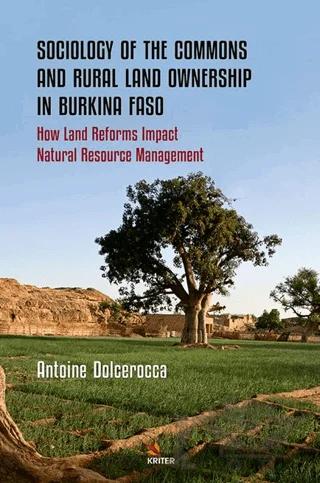
Kriter Yayınları
This book bridges sociological and political economy perspectives on land commons in sub Saharan Africa focusing on Burkina Faso It critically examines the impact of state recognized customary land rights challenging the notion that formalization alone enhances rural livelihoods and environmental management Instead it argues that neoliberal policies and market driven land reforms have led to land commodification destabilizing traditional property regimes and exacerbating rural impoverishment By exploring the Burkinabè state commons new forms of collaborations between the state and customary regimes the book proposes an alternative path to the relentless commodification of land observed across the Global South This case study reveals the potential for a unique synthesis of state and commons that could mitigate the ongoing depeasantization in Burkina Faso and offer lessons for rural land governance worldwide
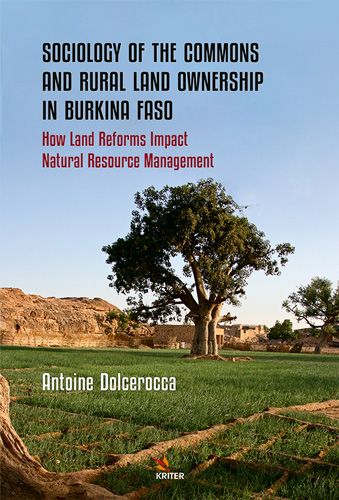
Kriter Yayınevi
This book bridges sociological and political economy perspectives on land commons in sub Saharan Africa focusing on Burkina Faso It critically examines the impact of state recognized customary land rights challenging the notion that formalization alone enhances rural livelihoods and environmental management Instead it argues that neoliberal policies and market driven land reforms have led to land commodification destabilizing traditional property regimes and exacerbating rural impoverishment By exploring the Burkinabè state commons new forms of collaborations between the state and customary regimes the book proposes an alternative path to the relentless commodification of land observed across the Global South This case study reveals the potential for a unique synthesis of state and commons that could mitigate the ongoing depeasantization in Burkina Faso and offer lessons for rural land governance worldwide