Sounds of Silence 3 Ankara s Armenians Speak — Kolektif
Sounds of Silence 3 Ankara s Armenians Speak
Kolektif
Hrant Dink Vakfı Yayınları
Sounds of Silence 3 Ankara s Armenians Speak
Kolektif
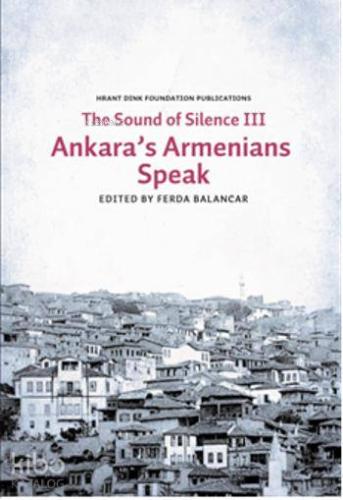
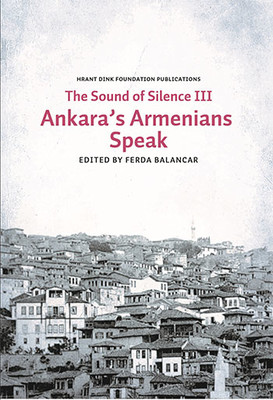
The oral history studies of Hrant Dink Foundation which are going on since 2011 focused on Ankara Armenians for 2013 The book which comprises 10 interviews with the Armenians of Ankara also includes a foreword by Raymond H Kévorkian and concluding remarks by Özgür Bal Just before the First World War half of the Armenian population of Ankara county 28 858 in sum was living in the administrative center Ankara The distinguishing aspect of the Ankara community was the ratio of Catholics according to the 1914 census 11 246 Armenians of the town were making up p of the population Another distinguishing feature was their preference for using Armenian script to write Turkish and their use of Turkish as vernacular The educational infrastructure of the city was also developed Six establishments of Catholics 1 200 students three schools and colleges of Apostolics 400 students two vocational schools two kindergartens and two establishments belonging to Protestants On the other hand a rather large portion of the population was still speaking Turkish the advancement of the Armenian language was slow Around the beginning of September 1915 the Armenians of Ankara women children elderly Apostolic or Catholic were taken out of their houses which were sealed earlier by the police The crowd thousands in number was brought together in the train station outside the city They stayed there at least for 25 days This time period was enough to seize their possessions and persuade the most attractive young women to convert to Islam and marry a Muslim Those who accepted the offer were allowed to go back to the city those who did not were eventually sent to Eskişehir and Konya later joining the deportation line going to Syria Throughout the first years of the Turkish Republic a number of emigrees from inner counties some of whom had to relocate because of unsafe conditions in some counties settled in Ankara Some of them became Muslims and some of them married Turkish inhabitants of the city with a special license granted by the administration There were some who managed to obtain the administrative document which would allow them to settle in Ankara this was however only possible on the condition that they would convert to Islam A large proportion of the narratives on the following pages belong most probably to the members of such familie PLANLANMIŞ REKLAM ÇALIŞMALARI Kitap eki ilanları
Hrant Dink Vakfı Yayınları
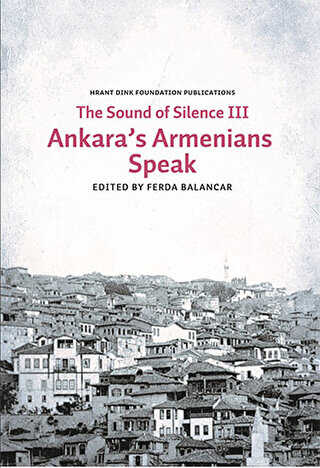
The oral history studies of Hrant Dink Foundation which are going on since 2011 focused on Ankara Armenians for 2013 The book which comprises 10 interviews with the Armenians of Ankara also includes a foreword by Raymond H Kevorkian and concluding remarks by Özgür Bal Just before the First World War half of the Armenian population of Ankara county 28 858 in sum was living in the administrative center Ankara The distinguishing aspect of the Ankara community was the ratio of Catholics according to the 1914 census 11 246 Armenians of the town were making up p of the population Another distinguishing feature was their preference for using Armenian script to write Turkish and their use of Turkish as vernacular The educational infrastructure of the city was also developed Six establishments of Catholics 1 200 students three schools and colleges of Apostolics 400 students two vocational schools two kindergartens and two establishments belonging to Protestants On the other hand a rather large portion of the population was still speaking Turkish the advancement of the Armenian language was slow Around the beginning of September 1915 the Armenians of Ankara women children elderly Apostolic or Catholic were taken out of their houses which were sealed earlier by the police The crowd thousands in number was brought together in the train station outside the city They stayed there at least for 25 days This time period was enough to seize their possessions and persuade the most attractive young women to convert to Islam and marry a Muslim Those who accepted the offer were allowed to go back to the city those who did not were eventually sent to Eskişehir and Konya later joining the deportation line going to Syria Throughout the first years of the Turkish Republic a number of emigrees from inner counties some of whom had to relocate because of unsafe conditions in some counties settled in Ankara Some of them became Muslims and some of them married Turkish inhabitants of the city with a special license granted by the administration There were some who managed to obtain the administrative document which would allow them to settle in Ankara this was however only possible on the condition that they would convert to Islam A large proportion of the narratives on the following pages belong most probably to the members of such familie
Hrant Dink Vakfı Yayınları
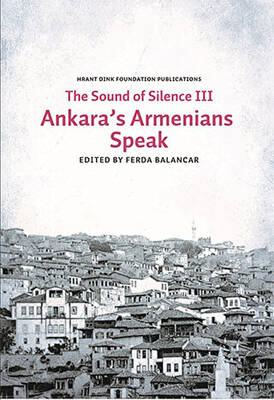
The oral history studies of Hrant Dink Foundation which are going on since 2011 focused on Ankara Armenians for 2013 The book which comprises 10 interviews with the Armenians of Ankara also includes a foreword by Raymond H Kevorkian and concluding remarks by Özgür Bal Just before the First World War half of the Armenian population of Ankara county 28 858 in sum was living in the administrative center Ankara The distinguishing aspect of the Ankara community was the ratio of Catholics according to the 1914 census 11 246 Armenians of the town were making up p of the population Another distinguishing feature was their preference for using Armenian script to write Turkish and their use of Turkish as vernacular The educational infrastructure of the city was also developed Six establishments of Catholics 1 200 students three schools and colleges of Apostolics 400 students two vocational schools two kindergartens and two establishments belonging to Protestants On the other hand a rather large portion of the population was still speaking Turkish the advancement of the Armenian language was slow Around the beginning of September 1915 the Armenians of Ankara women children elderly Apostolic or Catholic were taken out of their houses which were sealed earlier by the police The crowd thousands in number was brought together in the train station outside the city They stayed there at least for 25 days This time period was enough to seize their possessions and persuade the most attractive young women to convert to Islam and marry a Muslim Those who accepted the offer were allowed to go back to the city those who did not were eventually sent to Eskişehir and Konya later joining the deportation line going to Syria Throughout the first years of the Turkish Republic a number of emigrees from inner counties some of whom had to relocate because of unsafe conditions in some counties settled in Ankara Some of them became Muslims and some of them married Turkish inhabitants of the city with a special license granted by the administration There were some who managed to obtain the administrative document which would allow them to settle in Ankara this was however only possible on the condition that they would convert to Islam A large proportion of the narratives on the following pages belong most probably to the members of such familie
Hrant Dink Vakfı Yayınları
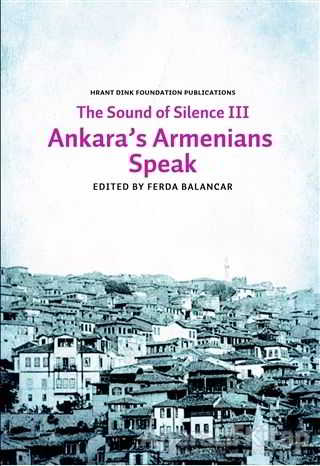
The oral history studies of Hrant Dink Foundation which are going on since 2011 focused on Ankara Armenians for 2013 The book which comprises 10 interviews with the Armenians of Ankara also includes a foreword by Raymond H Kevorkian and concluding remarks by Özgür Bal Just before the First World War half of the Armenian population of Ankara county 28 858 in sum was living in the administrative center Ankara The distinguishing aspect of the Ankara community was the ratio of Catholics according to the 1914 census 11 246 Armenians of the town were making up p of the population Another distinguishing feature was their preference for using Armenian script to write Turkish and their use of Turkish as vernacular The educational infrastructure of the city was also developed Six establishments of Catholics 1 200 students three schools and colleges of Apostolics 400 students two vocational schools two kindergartens and two establishments belonging to Protestants On the other hand a rather large portion of the population was still speaking Turkish the advancement of the Armenian language was slow Around the beginning of September 1915 the Armenians of Ankara women children elderly Apostolic or Catholic were taken out of their houses which were sealed earlier by the police The crowd thousands in number was brought together in the train station outside the city They stayed there at least for 25 days This time period was enough to seize their possessions and persuade the most attractive young women to convert to Islam and marry a Muslim Those who accepted the offer were allowed to go back to the city those who did not were eventually sent to Eskişehir and Konya later joining the deportation line going to Syria Throughout the first years of the Turkish Republic a number of emigrees from inner counties some of whom had to relocate because of unsafe conditions in some counties settled in Ankara Some of them became Muslims and some of them married Turkish inhabitants of the city with a special license granted by the administration There were some who managed to obtain the administrative document which would allow them to settle in Ankara this was however only possible on the condition that they would convert to Islam A large proportion of the narratives on the following pages belong most probably to the members of such familie Yayınevi Hrant Dink Vakfı Yayınları Yazar Kolektif Sayfa 165 Sayfa Kağıt Kuşe Boyut 15 00x20 00 cm Basım Yılı Şubat 2015 Barkod 9786056448867 Kategori Anı Mektup Günlük Araştırma İnceleme Azınlıklar Etnik Sorunlar Diğer Tarih Kitapları
Hrant Dink Vakfı Yayınları
The oral history studies of Hrant Dink Foundation which are going on since 2011 focused on Ankara Armenians for 2013 The book which comprises 10 interviews with the Armenians of Ankara also includes a foreword by Raymond H Kévorkian and concluding remarks by Özgür Bal Just before the First World War half of the Armenian population of Ankara county 28 858 in sum was living in the administrative center Ankara The distinguishing aspect of the Ankara community was the ratio of Catholics according to the 1914 census 11 246 Armenians of the town were making up p of the population Another distinguishing feature was their preference for using Armenian script to write Turkish and their use of Turkish as vernacular The educational infrastructure of the city was also developed Six establishments of Catholics 1 200 students three schools and colleges of Apostolics 400 students two vocational schools two kindergartens and two establishments belonging to Protestants On the other hand a rather large portion of the population was still speaking Turkish the advancement of the Armenian language was slow Around the beginning of September 1915 the Armenians of Ankara women children elderly Apostolic or Catholic were taken out of their houses which were sealed earlier by the police The crowd thousands in number was brought together in the train station outside the city They stayed there at least for 25 days This time period was enough to seize their possessions and persuade the most attractive young women to convert to Islam and marry a Muslim Those who accepted the offer were allowed to go back to the city those who did not were eventually sent to Eskişehir and Konya later joining the deportation line going to Syria Throughout the first years of the Turkish Republic a number of emigrees from inner counties some of whom had to relocate because of unsafe conditions in some counties settled in Ankara Some of them became Muslims and some of them married Turkish inhabitants of the city with a special license granted by the administration There were some who managed to obtain the administrative document which would allow them to settle in Ankara this was however only possible on the condition that they would convert to Islam A large proportion of the narratives on the following pages belong most probably to the members of such familie Tanıtım Bülteninden Sayfa Sayısı 165Baskı Yılı 2015Dili İngilizceYayınevi Hrant Dink Vakfı Yayınları
Hrant Dink Vakfı Yayınları
The oral history studies of Hrant Dink Foundation which are going on since 2011 focused on Ankara Armenians for 2013 The book which comprises 10 interviews with the Armenians of Ankara also includes a foreword by Raymond H Kevorkian and concluding remarks by Özgür Bal Just before the First World War half of the Armenian population of Ankara county 28 858 in sum was living in the administrative center Ankara The distinguishing aspect of the Ankara community was the ratio of Catholics according to the 1914 census 11 246 Armenians of the town were making up p of the population Another distinguishing feature was their preference for using Armenian script to write Turkish and their use of Turkish as vernacular The educational infrastructure of the city was also developed Six establishments of Catholics 1 200 students three schools and colleges of Apostolics 400 students two vocational schools two kindergartens and two establishments belonging to Protestants On the other hand a rather large portion of the population was still speaking Turkish the advancement of the Armenian language was slow Around the beginning of September 1915 the Armenians of Ankara women children elderly Apostolic or Catholic were taken out of their houses which were sealed earlier by the police The crowd thousands in number was brought together in the train station outside the city They stayed there at least for 25 days This time period was enough to seize their possessions and persuade the most attractive young women to convert to Islam and marry a Muslim Those who accepted the offer were allowed to go back to the city those who did not were eventually sent to Eskişehir and Konya later joining the deportation line going to Syria Throughout the first years of the Turkish Republic a number of emigrees from inner counties some of whom had to relocate because of unsafe conditions in some counties settled in Ankara Some of them became Muslims and som