Suhrawardi s Criticism of The Philosophy of Ibn Sina — Tahir Uluç
Suhrawardi s Criticism of The Philosophy of Ibn Sina
Tahir Uluçİbn Haldun Üniversitesi Yayınları
Suhrawardi s Criticism of The Philosophy of Ibn Sina
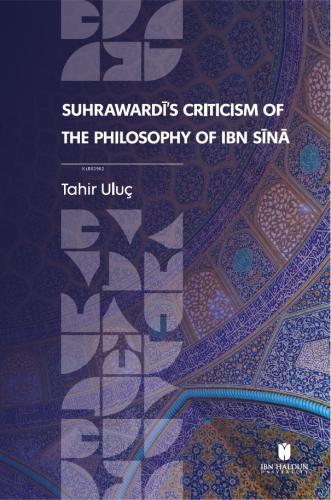
Tahir UluçIn Suhrawardī s Criticism of the Philosophy of Ibn Sīnā Tahir Uluç conducts an epistemological discussion on the relation between philosophy and mysticism In this context he aims to go beyond the common opinion which assumes that in Islamic thought philosophy depends mostly on rational means in its quest for truth theology rests primarily on revelation and Sufism on mystical experience and vision Throughout his study he investigates the following question Are the legitimate domains of operation of philosophy and mysticism as clearly distinguished from each other as this assumption suggests or do they share a common domain In answering this question he suggests that Suhrawardī s intention by this criticism is not to eradicate speculative philosophy in general and Peripateticism in particular unlike the case in Ghazālī but to transform it into a theoretical basis upon which to build his own Illuminative Ishrāqī system In fact Suhrawardī clarifies that one cannot understand the Ḥikmat al Ishrāq in which he provides a full exposition of his overall philosophical project unless one is well versed in the Peripatetic philosophy In this perspective Uluç demonstrates how the criticism of Peripateticism is an essential and integral part of Suhrawardī s endeavor to build a theoretical basis for his Illuminative philosophy which depends primarily on mystical experience and vision Accordingly this book has a twofold purpose First it examines from what epistemological point of view Suhrawardī finds the Peripatetic philosophy inadequate and on which principles he criticizes it Secondly it presents an in depth analysis of how Suhrawardī who regards himself as a philosopher and his endeavor as philosophical transforms the Peripatetic philosophy into an instrument and prelude that would serve the Illuminative philosophy
İBER Yayınları
In Suhrawardī s Criticism of the Philosophy of Ibn Sīnā Tahir Uluç conducts an epistemological discussion on the relation between philosophy and mysticism In this context he aims to go beyond the common opinion which assumes that in Islamic thought philosophy depends mostly on rational means in its quest for truth theology rests primarily on revelation and Sufism on mystical experience and vision Throughout his study he investigates the following question Are the legitimate domains of operation of philosophy and mysticism as clearly distinguished from each other as this assumption suggests or do they share a common domain In answering this question he suggests that Suhrawardī s intention by this criticism is not to eradicate speculative philosophy in general and Peripateticism in particular unlike the case in Ghazālī but to transform it into a theoretical basis upon which to build his own Illuminative Ishrāqī system In fact Suhrawardī clarifies that one cannot understand the Ḥi kmat al Ishrāq in which he provides a full exposition of his overall philosophical project unless one is well versed in the Peripatetic philosophy In this perspective Uluç demonstrates how the criticism of Peripateticism is an essential and integral part of Suhrawardī s endeavor to build a theoretical basis for his Illuminative philosophy which depends primarily on mystical experience and vision Accordingly this book has a twofold purpose First it examines from what epistemological point of view Suhrawardī finds the Peripatetic philosophy inadequate and on which principles he criticizes it Secondly it presents an in depth analysis of how Suhrawardī who regards himself as a philosopher and his endeavor as philosophical transforms the Peripatetic philosophy into an instrument and prelude that would serve the Illuminative philosophy
İbn Haldun Üniversitesi Yayınları
In Suhrawardī s Criticism of the Philosophy of Ibn Sīnā Tahir Uluç conducts an epistemological discussion on the relation between philosophy and mysticism In this context he aims to go beyond the common opinion which assumes that in Islamic thought philosophy depends mostly on rational means in its quest for truth theology rests primarily on revelation and Sufism on mystical experience and vision Throughout his study he investigates the following question Are the legitimate domains of operation of philosophy and mysticism as clearly distinguished from each other as this assumption suggests or do they share a common domain In answering this question he suggests that Suhrawardī s intention by this criticism is not to eradicate speculative philosophy in general and Peripateticism in particular unlike the case in Ghazālī but to transform it into a theoretical basis upon which to build his own Illuminative Ishrāqī system In fact Suhrawardī clarifies that one cannot understand the Ḥikmat al Ishrāq in which he provides a full exposition of his overall philosophical project unless one is well versed in the Peripatetic philosophy In this perspective Uluç demonstrates how the criticism of Peripateticism is an essential and integral part of Suhrawardī s endeavor to build a theoretical basis for his Illuminative philosophy which depends primarily on mystical experience and vision Accordingly this book has a twofold purpose First it examines from what epistemological point of view Suhrawardī finds the Peripatetic philosophy inadequate and on which principles he criticizes it Secondly it presents an in depth analysis of how Suhrawardī who regards himself as a philosopher and his endeavor as philosophical transforms the Peripatetic philosophy into an instrument and prelude that would serve the Illuminative philosophy
İbn Haldun Üniversitesi Yayınları
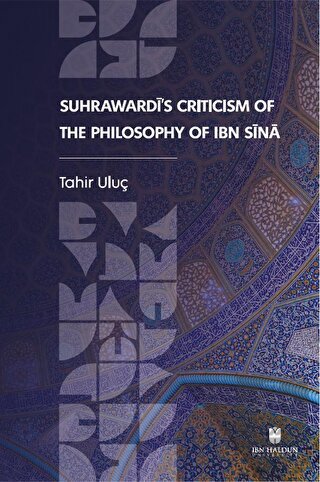
In Suhrawardi s Criticism of the Philosophy of Ibn Sina Tahir Uluç conducts an epistemological discussion on the relation between philosophy and mysticism In this context he aims to go beyond the common opinion which assumes that in Islamic thought philosophy depends mostly on rational means in its quest for truth theology rests primarily on revelation and Sufism on mystical experience and vision Throughout his study he investigates the following question Are the legitimate domains of operation of philosophy and mysticism as clearly distinguished from each other as this assumption suggests or do they share a common domain In answering this question he suggests that Suhrawardi s intention by this criticism is not to eradicate speculative philosophy in general and Peripateticism in particular unlike the case in Ghazali but to transform it into a theoretical basis upon which to build his own Illuminative Ishraqi system In fact Suhrawardi clarifies that one cannot understand the ikmat al Ishraq in which he provides a full exposition of his overall philosophical project unless one is well versed in the Peripatetic philosophy In this perspective Uluç demonstrates how the criticism of Peripateticism is an essential and integral part of Suhrawardi s endeavor to build a theoretical basis for his Illuminative philosophy which depends primarily on mystical experience and vision Accordingly this book has a twofold purpose First it examines from what epistemological point of view Suhrawardi finds the Peripatetic philosophy inadequate and on which principles he criticizes it Secondly it presents an in depth analysis of how Suhrawardi who regards himself as a philosopher and his endeavor as philosophical transforms the Peripatetic philosophy into an instrument and prelude that would serve the Illuminative philosophy
İBER
Ibn Suhrawardī s Criticism of the Philosophy of Ibn Sīnā Tahir Uluç conducts an epistemological discussion on the relation between philosophy and mysticism In this context he aims to go beyond the common opinion which assumes that in Islamic thought philosophy depends mostly on rational means in its quest for truth theology rests primarily on revelation and Sufism on mystical experience and vision Throughout his study he investigates the following question Are the legitimate domains of operation of philosophy and mysticism as clearly distinguished from each other as this assumption suggests or do they share a common domain In answering this question he suggests that Suhrawardī s intention by this criticism is not to eradicate speculative philosophy in general and Peripateticism in particular unlike the case in Ghazālī but to transform it into a theoretical basis upon which to build his own Illuminative Ishrāqī system In fact Suhrawardī clarifies that one cannot understand the Ḥikmat al Ishrāq in which he provides a full exposition of his overall philosophical project unless one is well versed in the Peripatetic philosophy In this perspective Uluç demonstrates how the criticism of Peripateticism is an essential and integral part of Suhrawardī s endeavor to build a theoretical basis for his Illuminative philosophy which depends primarily on mystical experience and vision Accordingly this book has a twofold purpose First it examines from what epistemological point of view Suhrawardī finds the Peripatetic philosophy inadequate and on which principles he criticizes it Secondly it presents an in depth analysis of how Suhrawardī who regards himself as a philosopher and his endeavor as philosophical transforms the Peripatetic philosophy into an instrument and prelude that would serve the Illuminative philosophy
İbn Haldun Üniversitesi Yayınları
In Suhrawardī s Criticism of the Philosophy of Ibn Sīnā Tahir Uluç conducts an epistemological discussion on the relation between philosophy and mysticism In this context he aims to go beyond the common opinion which assumes that in Islamic thought philosophy depends mostly on rational means in its quest for truth theology rests primarily on revelation and Sufism on mystical experience and vision Throughout his study he investigates the following question Are the legitimate domains of operation of philosophy and mysticism as clearly distinguished from each other as this assumption suggests or do they share a common domain In answering this question he suggests that Suhrawardī s intention by this criticism is not to eradicate speculative philosophy in general and Peripateticism in particular unlike the case in Ghazālī but to transform it into a theoretical basis upon which to build his own Illuminative Ishrāqī system In fact Suhrawardī clarifies that one cannot understand the Ḥikmat al Ishrāq in which he provides a full exposition of his overall philosophical project unless one is well versed in the Peripatetic philosophy In this perspective Uluç demonstrates how the criticism of Peripateticism is an essential and integral part of Suhrawardī s endeavor to build a theoretical basis for his Illuminative philosophy which depends primarily on mystical experience and vision Accordingly this book has a twofold purpose First it examines from what epistemological point of view Suhrawardī finds the Peripatetic philosophy inadequate and on which principles he criticizes it Secondly it presents an in depth analysis of how Suhrawardī who regards himself as a philosopher and his endeavor as philosophical transforms the Peripatetic philosophy into an instrument and prelude that would serve the Illuminative philosophy
İBER
Ibn Suhrawardi s Criticism of the Philosophy of Ibn Sina Tahir Uluç conducts an epistemological discussion on the relation between philosophy and mysticism In this context he aims to go beyond the common opinion which assumes that in Islamic thought philosophy depends mostly on rational means in its quest for truth theology rests primarily on revelation and Sufism on mystical experience and vision Throughout his study he investigates the following question Are the legitimate domains of operation of philosophy and mysticism as clearly distinguished from each other as this assumption suggests or do they share a common domain In answering this question he suggests that Suhrawardi s intention by this criticism is not to eradicate speculative philosophy in general and Peripateticism in particular unlike the case in Ghazali but to transform it into a theoretical basis upon which to build his own Illuminative Ishraqi system In fact Suhrawardi clarifies that one cannot understand the ikmat al Ishraq in which he provides a full exposition of his overall philosophical project unless one is well versed in the Peripatetic philosophy In this perspective Uluç demonstrates how the criticism of Peripateticism is an essential and integral part of Suhrawardi s endeavor to build a theoretical basis for his Illuminative philosophy which depends primarily on mystical experience and vision Accordingly this book has a twofold purpose First it examines from what epistemological point of view Suhrawardi finds the Peripatetic philosophy inadequate and on which principles he criticizes it Secondly it presents an in depth analysis of how Suhrawardi who regards himself as a philosopher and his endeavor as philosophical transforms the Peripatetic philosophy into an instrument and prelude that would serve the Illuminative philosophy
İBER
Ibn Suhrawardī s Criticism of the Philosophy of Ibn Sīnā Tahir Uluç conducts an epistemological discussion on the relation between philosophy and mysticism In this context he aims to go beyond the common opinion which assumes that in Islamic thought philosophy depends mostly on rational means in its quest for truth theology rests primarily on revelation and Sufism on mystical experience and vision Throughout his study he investigates the following question Are the legitimate domains of operation of philosophy and mysticism as clearly distinguished from each other as this assumption suggests or do they share a common domain In answering this question he suggests that Suhrawardī s intention by this criticism is not to eradicate speculative philosophy in general and Peripateticism in particular unlike the case in Ghazālī but to transform it into a theoretical basis upon which to build his own Illuminative Ishrāqī system In fact Suhrawardī clarifies that one cannot understand the Ḥikmat al Ishrāq in which he provides a full exposition of his overall philosophical project unless one is well versed in the Peripatetic philosophy In this perspective Uluç demonstrates how the criticism of Peripateticism is an essential and integral part of Suhrawardī s endeavor to build a theoretical basis for his Illuminative philosophy which depends primarily on mystical experience and vision Accordingly this book has a twofold purpose First it examines from what epistemological point of view Suhrawardī finds the Peripatetic philosophy inadequate and on which principles he criticizes it Secondly it presents an in depth analysis of how Suhrawardī who regards himself as a philosopher and his endeavor as philosophical transforms the Peripatetic philosophy into an instrument and prelude that would serve the Illuminative philosophy
İber Akademi
In Suhrawardī s Criticism of the Philosophy of Ibn Sīnā Tahir Uluç conducts an epistemological discussion on the relation between philosophy and mysticism In this context he aims to go beyond the common opinion which assumes that in Islamic thought philosophy depends mostly on rational means in its quest for truth theology rests primarily on revelation and Sufism on mystical experience and vision Throughout his study he investigates the following question Are the legitimate domains of operation of philosophy and mysticism as clearly distinguished from each other as this assumption suggests or do they share a common domain In answering this question he suggests that Suhrawardī s intention by this criticism is not to eradicate speculative philosophy in general and Peripateticism in particular unlike the case in Ghazālī but to transform it into a theoretical basis upon which to build his own Illuminative Ishrāqī system In fact Suhrawardī clarifies that one cannot understand the Ḥi kmat al Ishrāq in which he provides a full exposition of his overall philosophical project unless one is well versed in the Peripatetic philosophy In this perspective Uluç demonstrates how the criticism of Peripateticism is an essential and integral part of Suhrawardī s endeavor to build a theoretical basis for his Illuminative philosophy which depends primarily on mystical experience and vision Accordingly this book has a twofold purpose First it examines from what epistemological point of view Suhrawardī finds the Peripatetic philosophy inadequate and on which principles he criticizes it Secondly it presents an in depth analysis of how Suhrawardī who regards himself as a philosopher and his endeavor as philosophical transforms the Peripatetic philosophy into an instrument and prelude that would serve the Illuminative philosophy