Teaching Language and Literature A Course Book — Banu İnan Karagül Dilek İnan
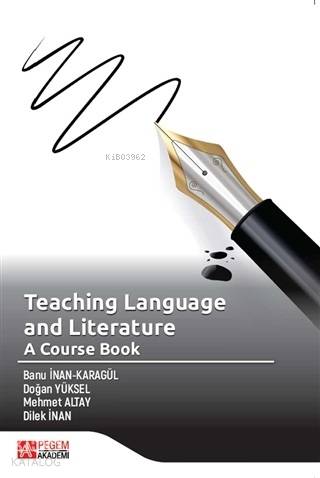
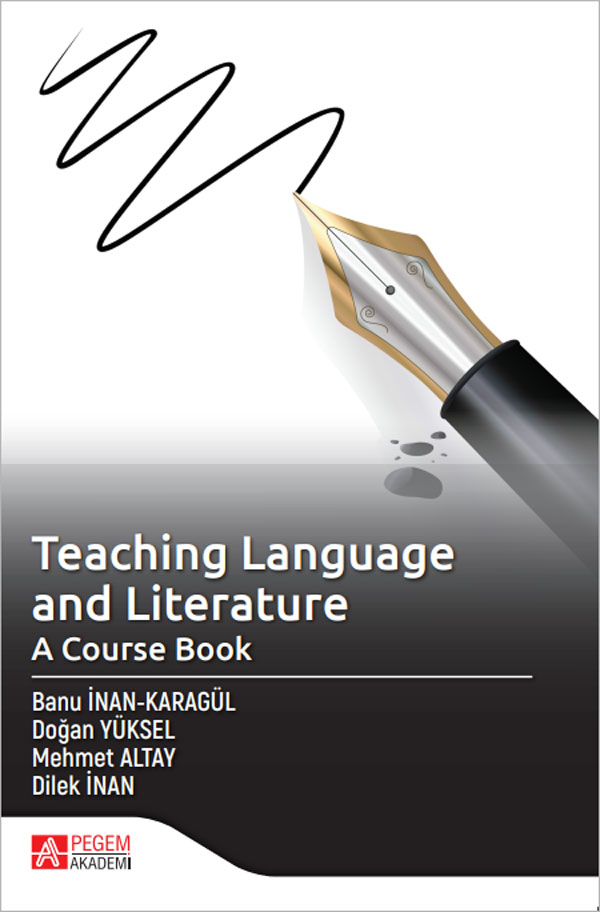
Teaching Language and Literature A Course Book
Banu İnan Karagül Dilek İnanPegem Akademi Yayıncılık
Teaching Language and Literature A Course Book
Banu İnan Karagül Dilek İnanThe use of literature for language teaching purposes has always been a controversial issue in different contexts all around the world It is still being discussed whether it is a good idea to include literary works in the course material list of language classrooms because even though literary works enable learners to see authentic samples of the target language give them a chance to understand the culture of the target community better and to practice the target language in different aspects the complexity of the language presented to readers and the length of books make it difficult for teachers to use them with learners of different levels With the new curriculum suggested by Turkish Higher Education Council YÖK in 2018 for Faculties of Education 2 courses Literature and Language Teaching I II were replaced by 2 other courses Teaching Language and Literature I II including some slight changes which were added to the course lists of English Language Teaching Departments in Faculties of Education in Turkey These courses aim to train prospective teachers of English with a good command of not only theoretical information about different literary genres such as short stories novels plays and poems but also ideas related to their practice in the language classroom After a series of discussions with colleagues from different universities in Turkey we agreed that we needed a course material that would facilitate the duty of teachers teaching this course and that would give students a chance to go further than a simple analysis of literary works For this reason the aim of this book is to provide students with theoretical information about the main literary forms and some practical ideas for using them in the language classroom This volume is composed of the following parts Chapter 1 tries to explain the concept of literature in general and its contribution to the field of language teaching It also lists some different approaches to the study of literature in the language classroom based on multiple activities Chapter 2 deals with short story as a literary form starting with its definition its historical development and main elements The second part of the chapter discusses the advantages and possible challenges of using short stories for language teaching purposes and suggests variousactivities based on a short story by a well known author Chapter 3 focuses on novels which is a very popular course material in language classrooms and it suggests a variety of tasks which are applicable in the classroom while using novels Introduction v Chapter 4 focuses on plays as course materials which might serve serve many different purposes in the language classroom After giving brief information about what it refers to and its historical development this chapter suggests some classroom activities that might be used to improve students language skills Chapter 5 explains what poetry is along with types and characteristics of poems It also deals with different types of literary devices and how to use poems in the language classroom
Pegem Akademi Yayıncılık
The use of literature for language teaching purposes has always been a controversial issue in different contexts all around the world It is still being discussed whether it is a good idea to include literary works in the course material list of language classrooms because even though literary works enable learners to see authentic samples of the target language give them a chance to understand the culture of the target community better and to practice the target language in different aspects the complexity of the language presented to readers and the length of books make it difficult for teachers to use them with learners of different levels With the new curriculum suggested by Turkish Higher Education Council YÖK in 2018 for Faculties of Education 2 courses Literature and Language Teaching I II were replaced by 2 other courses Teaching Language and Literature I II including some slight changes which were added to the course lists of English Language Teaching Departments in Faculties of Education in Turkey These courses aim to train prospective teachers of English with a good command of not only theoretical information about different literary genres such as short stories novels plays and poems but also ideas related to their practice in the language classroom After a series of discussions with colleagues from different universities in Turkey we agreed that we needed a course material that would facilitate the duty of teachers teaching this course and that would give students a chance to go further than a simple analysis of literary works For this reason the aim of this book is to provide students with theoretical information about the main literary forms and some practical ideas for using them in the language classroom This volume is composed of the following parts Chapter 1 tries to explain the concept of literature in general and its contribution to the field of language teaching It also lists some different approaches to the study of literature in the language classroom based on multiple activities Chapter 2 deals with short story as a literary form starting with its definition its historical development and main elements The second part of the chapter discusses the advantages and possible challenges of using short stories for language teaching purposes and suggests variousactivities based on a short story by a well known author Chapter 3 focuses on novels which is a very popular course material in language classrooms and it suggests a variety of tasks which are applicable in the classroom while using novels Introduction v Chapter 4 focuses on plays as course materials which might serve serve many different purposes in the language classroom After giving brief information about what it refers to and its historical development this chapter suggests some classroom activities that might be used to improve students language skills Chapter 5 explains what poetry is along with types and characteristics of poems It also deals with different types of literary devices and how to use poems in the language classroom
Pegem Akademi Yayıncılık
The use of literature for language teaching purposes has always been a controversial issue in different contexts all around the world It is still being discussed whether it is a good idea to include literary works in the course material list of language classrooms because even though literary works enable learners to see authentic samples of the target language give them a chance to understand the culture of the target community better and to practice the target language in different aspects the complexity of the language presented to readers and the length of books make it difficult for teachers to use them with learners of different levels With the new curriculum suggested by Turkish Higher Education Council YÖK in 2018 for Faculties of Education 2 courses Literature and Language Teaching I II were replaced by 2 other courses Teaching Language and Literature I II including some slight changes which were added to the course lists of English Language Teaching Departments
Pegem Akademi Yayıncılık
The use of literature for language teaching purposes has always been a controversial issue in different contexts all around the world It is still being discussed whether it is a good idea to include literary works in the course material list of language classrooms because even though literary works enable learners to see authentic samples of the target language give them a chance to understand the culture of the target community better and to practice the target language in different aspects the complexity of the language presented to readers and the length of books make it difficult for teachers to use them with learners of different levels With the new curriculum suggested by Turkish Higher Education Council YÖK in 2018 for Faculties of Education 2 courses Literature and Language Teaching I II were replaced by 2 other courses Teaching Language and Literature I II including some slight changes which were added to the course lists of English Language Teaching Departments in Faculties of Education in Turkey These courses aim to train prospective teachers of English with a good command of not only theoretical information about different literary genres such as short stories novels plays and poems but also ideas related to their practice in the language classroom After a series of discussions with colleagues from different universities in Turkey we agreed that we needed a course material that would facilitate the duty of teachers teaching this course and that would give students a chance to go further than a simple analysis of literary works For this reason the aim of this book is to provide students with theoretical information about the main literary forms and some practical ideas for using them in the language classroom This volume is composed of the following parts Chapter 1 tries to explain the concept of literature in general and its contribution to the field of language teaching It also lists some different approaches to the study of literature in the language classroom based on multiple activities Chapter 2 deals with short story as a literary form starting with its definition its historical development and main elements The second part of the chapter discusses the advantages and possible challenges of using short stories forlanguage teaching purposes and suggests variousactivities based on a short story by a well known author Chapter 3 focuses on novels which is a very popular course material in language classrooms and it suggests a variety of tasks which are applicable in the classroom while using novels Introduction v Chapter 4 focuses on plays as course materials which might serve serve many different purposes in the language classroom After giving brief information about what it refers to and its historical development this chapter suggests some classroom activities that might be used to improve students language skills Chapter 5 explains what poetry is along with types and characteristics of poems It also deals with different types of literary devices and how to use poems in the language classroom Tanıtım Bülteninden
Pegem Akademi Yayıncılık
The use of literature for language teaching purposes has always been a controversial issue in different contexts all around the world It is still being discussed whether it is a good idea to include literary works in the course material list of language classrooms because even though literary works enable learners to see authentic samples of the target language give them a chance to understand the culture of the target community better and to practice the target language in different aspects the complexity of the language presented to readers and the length of books make it difficult for teachers to use them with learners of different levels With the new curriculum suggested by Turkish Higher Education Council YÖK in 2018 for Faculties of Education 2 courses Literature and Language Teaching I II were replaced by 2 other courses Teaching Language and Literature I II including some slight changes which were added to the course lists of English Language Teaching Departments in Faculties of Education in Turkey These courses aim to train prospective teachers of English with a good command of not only theoretical information about different literary genres such as short stories novels plays and poems but also ideas related to their practice in the language classroom After a series of discussions with colleagues from different universities in Turkey we agreed that we needed a course material that would facilitate the duty of teachers teaching this course and that would give students a chance to go further than a simple analysis of literary works For this reason the aim of this book is to provide students with theoretical information about the main literary forms and some practical ideas for using them in the language classroom This volume is composed of the following parts Chapter 1 tries to explain the concept of literature in general and its contribution to the field of language teaching It also lists some different approaches to the study of literature in the language classroom based on multiple activities Chapter 2 deals with short story as a literary form starting with its definition its historical development and main elements The second part of the chapter discusses the advantages and possible challenges of using short stories for language teaching purposes and suggests variousactivities based on a short story by a well known author Chapter 3 focuses on novels which is a very popular course material in language classrooms and it suggests a variety of tasks which are applicable in the classroom while using novels Introduction v Chapter 4 focuses on plays as course materials which might serve serve many different purposes in the language classroom After giving brief information about what it refers to and its historical development this chapter suggests some classroom activities that might be used to improve students language skills Chapter 5 explains what poetry is along with types and characteristics of poems It also deals with different types of literary devices and how to use poems in the language classroom Tanıtım Bülteninden
Pegem Akademi Yayıncılık
The use of literature for language teaching purposes has always been a controversial issue in different contexts all around the world It is still being discussed whether it is a good idea to include literary works in the course material list of language classrooms because even though literary works enable learners to see authentic samples of the target language give them a chance to understand the culture of the target community better and to practice the target language in different aspects the complexity of the language presented to readers and the length of books make it difficult for teachers to use them with learners of different levels With the new curriculum suggested by Turkish Higher Education Council YÖK in 2018 for Faculties of Education 2 courses Literature and Language Teaching I II were replaced by 2 other courses Teaching Language and Literature I II including some slight changes which were added to the course lists of English Language Teaching Departments in Faculties of Education in Turkey These courses aim to train prospective teachers of English with a good command of not only theoretical information about different literary genres such as short stories novels plays and poems but also ideas related to their practice in the language classroom After a series of discussions with colleagues from different universities in Turkey we agreed that we needed a course material that would facilitate the duty of teachers teaching this course and that would give students a chance to go further than a simple analysis of literary works For this reason the aim of this book is to provide students with theoretical information about the main literary forms and some practical ideas for using them in the language classroom This volume is composed of the following parts Chapter 1 tries to explain the concept of literature in general and its contribution to the field of language teaching It also lists some different approaches to the study of literature in the language classroom based on multiple activities Chapter 2 deals with short story as a literary form starting with its definition its historical development and main elements The second part of the chapter discusses the advantages and possible challenges of using short stories for language teaching purposes and suggests variousactivities based on a short story by a well known author Chapter 3 focuses on novels which is a very popular course material in language classrooms and it suggests a variety of tasks which are applicable in the classroom while using novels Introduction v Chapter 4 focuses on plays as course materials which might serve serve many different purposes in the language classroom After giving brief information about what it refers to and its historical development this chapter suggests some classroom activities that might be used to improve students language skills Chapter 5 explains what poetry is along with types and characteristics of poems It also deals with different types of literary devices and how to use poems in the language classroom