The Art of Rhetoric — Aristotle
The Art of Rhetoric
AristotleGece Kitaplığı
The Art of Rhetoric
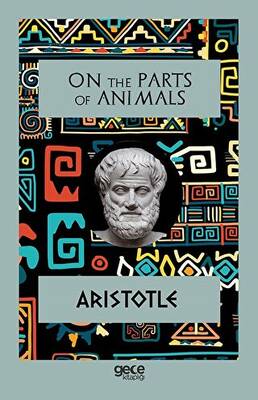
AristotleAs every instrument and every bodily member subserves some partial end that is to say some special action so the whole body must be destined to minister to some Plenary sphere of action Thus the saw is made for sawing for sawing is a function and not sawing for the saw Similarly the body too must somehow or other be made for the soul and each part of it for some subordinate function to which it is adapted We have then first to describe the common functions common that is to the whole animal kingdom or to certain large groups or to the members of a species
Gece Kitaplığı
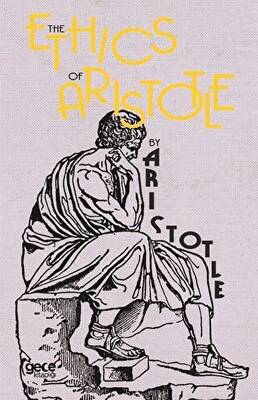
The Ethics of Aristotle is one half of a single treatise of which his Politics is the other half Both deal with one and the same subject This subject is what Aristotle calls in one place the philosophy of human affairs but more frequently Political or Social Science In the two works taken together we have their author s whole theory of human conduct or practical activity that is of all human activity which is not directed merely to knowledge or truth The two parts of this treatise are mutually complementary but in a literary sense each is independent and self contained The proem to the Ethics is an introduction to the whole subject not merely to the first part the last chapter of the Ethics points forward to the Politics and sketches for that part of the treatise the order of enquiry to be pursued an order which in the actual treatise is not adhered to
Gece Kitaplığı
As every instrument and every bodily member subserves some partial end that is to say some special action so the whole body must be destined to minister to some Plenary sphere of action Thus the saw is made for sawing for sawing is a function and not sawing for the saw Similarly the body too must somehow or other be made for the soul and each part of it for some subordinate function to which it is adapted We have then first to describe the common functions common that is to the whole animal kingdom or to certain large groups or to the members of a species Tanıtım Bülteninden
Gece Kitaplığı
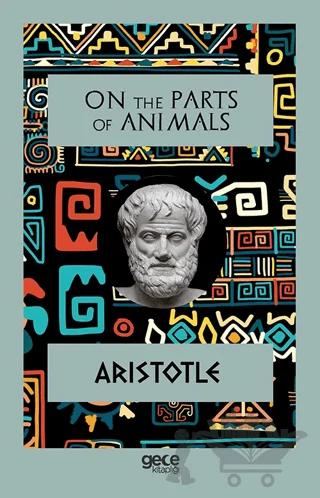
Aristotle tarafından kaleme alınan On The Parts Of Animals Gece Kitaplığı eseri olarak okurlarla buluşuyor On The Parts Of Animals Aristotle Kitap Özeti As every instrument and every bodily member subserves some partial end that is to say some special action so the whole body must be destined to minister to some Plenary sphere of action Thus the saw is made for sawing for sawing is a function and not sawing for the saw Similarly the body too must somehow or other be made for the soul and each part of it for some subordinate function to which it is adapted We have then first to describe the common functions common that is to the whole animal kingdom or to certain large groups or to the members of a species Yayınevi Gece Kitaplığı Yazar Aristotle Sayfa 175 Sayfa Kağıt 2 Hamur Boyut 13 50x21 00 cm Basım Yılı Kasım 2021 Barkod 9786258032185 Kategori Yabancı Dilde Kitaplar Genel Felsefe
Gece Kitaplığı
The Ethics of Aristotle is one half of a single treatise of which his Politics is the other half Both deal with one and the same subject This subject is what Aristotle calls in one place the philosophy of human affairs but more frequently Political or Social Science In the two works taken together we have their author s whole theory of human conduct or practical activity that is of all human activity which is not directed merely to knowledge or truth The two parts of this treatise are mutually complementary but in a literary sense each is independent and self contained The proem to the Ethics is an introduction to the whole subject not merely to the first part the last chapter of the Ethics points forward to the Politics and sketches for that part of the treatise the order of enquiry to be pursued an order which in the actual treatise is not adhered to
Gece Kitaplığı
As every instrument and every bodily member subserves some partial end that is to say some special action so the whole body must be destined to minister to some Plenary sphere of action Thus the saw is made for sawing for sawing is a function and not sawing for the saw Similarly the body too must somehow or other be made for the soul and each part of it for some subordinate function to which it is adapted We have then first to describe the common functions common that is to the whole animal kingdom or to certain large groups or to the members of a species
Gece Kitaplığı
The Ethics of Aristotle is one half of a single treatise of which his Politics is the other half Both deal with one and the same subject This subject is what Aristotle calls in one place the philosophy of human affairs but more frequently Political or Social Science In the two works taken together we have their author s whole theory of human conduct or practical activity that is of all human activity which is not directed merely to knowledge or truth The two parts of this treatise are mutually complementary but in a literary sense each is independent and self contained The proem to the Ethics is an introduction to the whole subject not merely to the first part the last chapter of the Ethics points forward to the Politics and sketches for that part of the treatise the order of enquiry to be pursued an order which in the actual treatise is not adhered to
Gece Kitaplığı
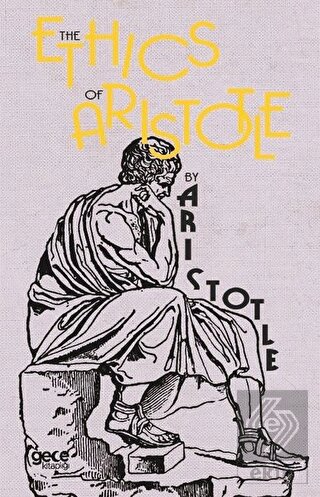
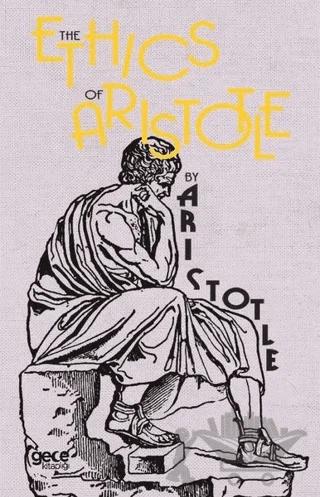
Aristotle tarafından kaleme alınan The Ethics By Aristotle Gece Kitaplığı eseri olarak okurlarla buluşuyor The Ethics By Aristotle Aristotle Kitap Özeti The Ethics of Aristotle is one half of a single treatise of which his Politics is the other half Both deal with one and the same subject This subject is what Aristotle calls in one place the philosophy of human affairs but more frequently Political or Social Science In the two works taken together we have their author s whole theory of human conduct or practical activity that is of all human activity which is not directed merely to knowledge or truth The two parts of this treatise are mutually complementary but in a literary sense each is independent and self contained The proem to the Ethics is an introduction to the whole subject not merely to the first part the last chapter of the Ethics points forward to the Politics and sketches for that part of the treatise the order of enquiry to be pursued an order which in the actual treatise is not adhered to Yayınevi Gece Kitaplığı Yazar Aristotle Sayfa 322 Sayfa Kağıt 2 Hamur Boyut 13 50x21 00 cm Basım Yılı Nisan 2020 Barkod 9786257912624 Kategori Etik
Gece Kitaplığı
The Ethics of Aristotle is one half of a single treatise of which his Politics is the other half Both deal with one and the same subject This subject is what Aristotle calls in one place the philosophy of human affairs but more frequently Political or Social Science In the two works taken together we have their author s whole theory of human conduct or practical activity that is of all human activity which is not directed merely to knowledge or truth The two parts of this treatise are mutually complementary but in a literary sense each is independent and self contained The proem to the Ethics is an introduction to the whole subject not merely to the first part the last chapter of the Ethics points forward to the Politics and sketches for that part of the treatise the order of enquiry to be pursued an order which in the actual treatise is not adhered to
Gece Kitaplığı Yayınları
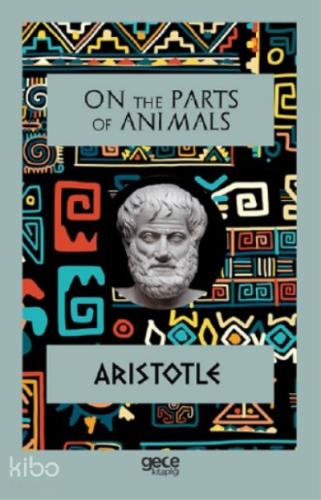
As every instrument and every bodily member subserves some partial end that is to say some special action so the whole body must be destined to minister to some Plenary sphere of action Thus the saw is made for sawing for sawing is a function and not sawing for the saw Similarly the body too must somehow or other be made for the soul and each part of it for some subordinate function to which it is adapted We have then first to describe the common functions common that is to the whole animal kingdom or to certain large groups or to the members of a species
Gece Kitaplığı Yayınları
The Ethics of Aristotle is one half of a single treatise of which his Politics is the other half Both deal with one and the same subject This subject is what Aristotle calls in one place the philosophy of human affairs but more frequently Political or Social Science In the two works taken together we have their author s whole theory of human conduct or practical activity that is of all human activity which is not directed merely to knowledge or truth The two parts of this treatise are mutually complementary but in a literary sense each is independent and self contained The proem to the Ethics is an introduction to the whole subject not merely to the first part the last chapter of the Ethics points forward to the Politics and sketches for that part of the treatise the order of enquiry to be pursued an order which in the actual treatise is not adhered to
Oxford University Press - Classics
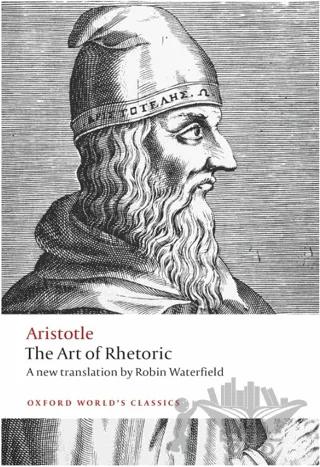
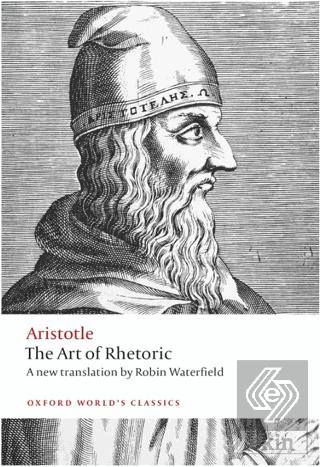
Aristotle s Art of Rhetoric is the earliest systematic treatment of the subject and it remains among the most incisive works on rhetoric that we possess In it we are asked What is a good speech What do popular audiences find persuasive How does one compose a persuasive speech Aristotle considers these questions in the context of the ancient Greek democratic city state in which large audiences of ordinary citizens listened to speeches pro and con before casting the votes that made the laws decided the policies and settled the cases in court Persuasion by means of the spoken word was the vehicle for conducting politics and administering the law After stating the basic principles of persuasive speech Aristotle places rhetoric in relation to allied fields such as politics ethics psychology and logic and he demonstrates how to construct a persuasive case for any kind of plea on any subject of communal concern Aristotle views persuasion flexibly examining how speakers should devise arguments evoke emotions and demonstrate their own credibility The treatise provides ample evidence of Aristotle s unique and brilliant manner of thinking and has had a profound influence on later attempts to understand what makes speech persuasive The new translation of the text is accompanied by an introduction discussing the political philosophical and rhetorical background to Aristotle s treatise as well as the composition and transmission of the original text and an account of Aristotle s life
Oxford University Press - Classics
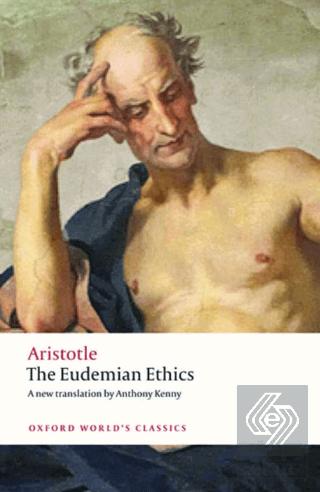
The Eudemian Ethics is a major treatise on moral philosophy whose central concern is what makes life worth living Aristotle considers the role of happiness and what happiness consists of and he analyses various factors that contribute to it human agency the relation between action and virtue and the concept of virtue itself Moral and intellectual virtues are classified and considered and finally the roles of friendship and pleasure It deals with the same issues as the better known Nicomachean Ethics with which it holds three books in common and its special qualities as well as the similarities and differences between the two works are of fundamental concern to anyone interested in Aristotles philosophy This is the first time the Eudemian Ethics has been published in its entirety in any modern language Anthony Kennys fine translation is accompanied by a lucid introduction and explanatory notes which assist the reader in understanding this important work
Oxford University Press - Classics
Aristotles Art of Rhetoric is the earliest systematic treatment of the subject and it remains among the most incisive works on rhetoric that we possess In it we are asked What is a good speech What do popular audiences find persuasive How does one compose a persuasive speech Aristotle considers these questions in the context of the ancient Greek democratic city state in which large audiences of ordinary citizens listened to speeches pro and con before casting the votes that made the laws decided the policies and settled the cases in court Persuasion by means of the spoken word was the vehicle for conducting politics and administering the law After stating the basic principles of persuasive speech Aristotle places rhetoric in relation to allied fields such as politics ethics psychology and logic and he demonstrates how to construct a persuasive case for any kind of plea on any subject of communal concern Aristotle views persuasion flexibly examining how speakers should devise arguments evoke emotions and demonstrate their own credibility The treatise provides ample evidence of Aristotles unique and brilliant manner of thinking and has had a profound influence on later attempts to understand what makes speech persuasive The new translation of the text is accompanied by an introduction discussing the political philosophical and rhetorical background to Aristotles treatise as well as the composition and transmission of the original text and an account of Aristotles life
Oxford University Press - Classics
Aristotle s Art of Rhetoric is the earliest systematic treatment of the subject and it remains among the most incisive works on rhetoric that we possess In it we are asked What is a good speech What do popular audiences find persuasive How does one compose a persuasive speech Aristotle considers these questions in the context of the ancient Greek democratic city state in which large audiences of ordinary citizens listened to speeches pro and con before casting the votes that made the laws decided the policies and settled the cases in court Persuasion by means of the spoken word was the vehicle for conducting politics and administering the law After stating the basic principles of persuasive speech Aristotle places rhetoric in relation to allied fields such as politics ethics psychology and logic and he demonstrates how to construct a persuasive case for any kind of plea on any subject of communal concern Aristotle views persuasion flexibly examining how speakers should devise arguments evoke emotions and demonstrate their own credibility The treatise provides ample evidence of Aristotle s unique and brilliant manner of thinking and has had a profound influence on later attempts to understand what makes speech persuasive The new translation of the text is accompanied by an introduction discussing the political philosophical and rhetorical background to Aristotle s treatise as well as the composition and transmission of the original text and an account of Aristotle s life