The Buried Temple — Maurice Maeterlinck
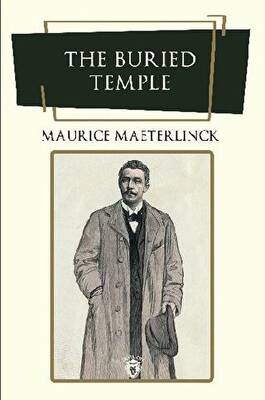
The Buried Temple
Maurice MaeterlinckDorlion Yayınları
The Buried Temple
Maurice MaeterlinckMaurice Polydore Marie Bernard Maeterlinck 29 August 1862 6 May 1949 also known as Count or Comte Maeterlinck from 1932 was a Belgian playwright poet and essayist who was Flemish but wrote in French He was awarded the Nobel Prize in Literature in 1911 in appreciation of his many sided literary activities and especially of his dramatic works which are distinguished by a wealth of imagination and by a poetic fancy which reveals sometimes in the guise of a fairy tale a deep inspiration while in a mysterious way they appeal to the readers own feelings and stimulate their imaginations The main themes in his work are death and the meaning of life He was a leading member of La Jeune Belgique group and his plays form an important part of the Symbolist movement
Dorlion Yayınevi
Maurice Polydore Marie Bernard Maeterlinck 29 August 1862 6 May 1949 also known as Count or Comte Maeterlinck from 1932 was a Belgian playwright poet and essayist who was Flemish but wrote in French He was awarded the Nobel Prize in Literature in 1911 in appreciation of his many sided literary activities and especially of his dramatic works which are distinguished by a wealth of imagination and by a poetic fancy which reveals sometimes in the guise of a fairy tale a deep inspiration while in a mysterious way they appeal to the readers own feelings and stimulate their imaginations The main themes in his work are death and the meaning of life He was a leading member of La Jeune Belgique group and his plays form an important part of the Symbolist movement
Dorlion Yayınevi
Maurice Polydore Marie Bernard Maeterlinck 29 August 1862 6 May 1949 also known as Count or Comte Maeterlinck from 1932 was a Belgian playwright poet and essayist who was Flemish but wrote in French He was awarded the Nobel Prize in Literature in 1911 in appreciation of his many sided literary activities and especially of his dramatic works which are distinguished by a wealth of imagination and by a poetic fancy which reveals sometimes in the guise of a fairy tale a deep inspiration while in a mysterious way they appeal to the readers own feelings and stimulate their imaginations The main themes in his work are death and the meaning of life He was a leading member of La Jeune Belgique group and his plays form an important part of the Symbolist movement
Dorlion Yayınları
Maurice Polydore Marie Bernard Maeterlinck 29 August 1862 6 May 1949 also known as Count or Comte Maeterlinck from 1932 was a Belgian playwright poet and essayist who was Flemish but wrote in French He was awarded the Nobel Prize in Literature in 1911 in appreciation of his many sided literary activities and especially of his dramatic works which are distinguished by a wealth of imagination and by a poetic fancy which reveals sometimes in the guise of a fairy tale a deep inspiration while in a mysterious way they appeal to the readers own feelings and stimulate their imaginations The main themes in his work are death and the meaning of life He was a leading member of La Jeune Belgique group and his plays form an important part of the Symbolist movement