The Earliest Electromagnetic Instruments — Robert A Chipman
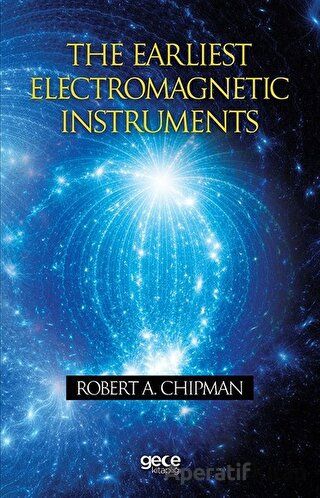
The Earliest Electromagnetic Instruments
Robert A ChipmanGece Kitaplığı
The Earliest Electromagnetic Instruments
Robert A ChipmanRobert A Chipman tarafından kaleme alınan The Earliest Electromagnetic Instruments Gece Kitaplığı eseri olarak okurlarla buluşuyor The Earliest Electromagnetic Instruments Robert A Chipman Kitap Özeti In 1786 Galvani first observed the twitching of the legs of a dissected frog produced by discharges of a nearby electrostatic machine thereby revealing still another effect of electricity He then discovered that certain arrangements of metals in contact with the frog nerves produced the same twitching implying something electrical in the frog metal situation as a whole Although Galvani and his nephew Aldini drew from these experiments erroneous conclusions involving animal electricity which were disputed by Volta in his metal contact theory it is significant from the instrumentation point of view that the frog s legs were unquestionably by far the most sensitive detector of metal contact electrical effects available at the time Without their intervention the development of this entire subject area including the creation of chemical cells might have been delayed many years Volta himself realized that the crucial test between his theory and that of Galvani required confirming the existence of metal contact electricity by some electrical but nonphysiological detector He performed this test successfully with an electroscope using the condensing technique he had invented more than a decade earlier Yayınevi Gece Kitaplığı Yazar Robert A Chipman Sayfa 59 Sayfa Kağıt 2 Hamur Boyut 13 50x21 00 cm Basım Yılı 2018 Barkod 9786052884256 Kategori Yabancı Dilde Kitaplar
Gece Kitaplığı
In 1786 Galvani first observed the twitching of the legs of a dissected frog produced by discharges of a nearby electrostatic machine thereby revealing still another effect of electricity He then discovered that certain arrangements of metals in contact with the frog nerves produced the same twitching implying something electrical in the frog metal situation as a whole Although Galvani and his nephew Aldini drew from these experiments erroneous conclusions involving animal electricity which were disputed by Volta in his metal contact theory it is significant from the instrumentation point of view that the frog s legs were unquestionably by far the most sensitive detector of metal contact electrical effects available at the time Without their intervention the development of this entire subject area including the creation of chemical cells might have been delayed many years Volta himself realized that the crucial test between his theory and that of Galvani required confirming the existence of metal contact electricity by some electrical but nonphysiological detector He performed this test successfully with an electroscope using the condensing technique he had invented more than a decade earlier img src https s3 eu west 1 amazonaws com dia kitadagitim ckeditor_assets pictures 53 content_1_original_original jpg alt height 15 width 15 font size 1 color white font img
Gece Kitaplığı Yayınları
In 1786 Galvani first observed the twitching of the legs of a dissected frog produced by discharges of a nearby electrostatic machine thereby revealing still another effect of electricity He then discovered that certain arrangements of metals in contact with the frog nerves produced the same twitching implying something electrical in the frog metal situation as a whole Although Galvani and his nephew Aldini drew from these experiments erroneous conclusions involving animal electricity which were disputed by Volta in his metal contact theory it is significant from the instrumentation point of view that the frog s legs were unquestionably by far the most sensitive detector of metal contact electrical effects available at the time Without their intervention the development of this entire subject area including the creation of chemical cells might have been delayed many years Volta himself realized that the crucial test between his theory and that of Galvani required confirming the existence of metal contact electricity by some electrical but nonphysiological detector He performed this test successfully with an electroscope using the condensing technique he had invented more than a decade earlier