The Ethics — Benedictus de Spinoza
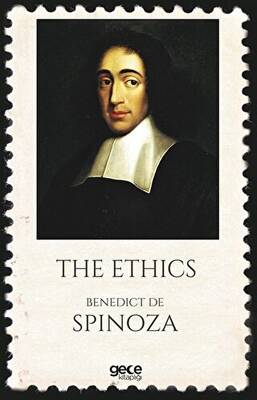
The Ethics
Benedictus de SpinozaGece Kitaplığı
The Ethics
Benedictus de SpinozaIf anyone asks me the further question Why are we naturally so prone to divide quantity I answer that quantity is conceived by us in two ways in the abstract and superficially as we imagine it or as substance as we conceive it solely by the intellect If then we regard quantity as it is represented in our imagination which we often and more easily do we shall find that it is finite divisible and compounded of parts but if we regard it as it is represented in our intellect and conceive it as substance which it is very difficult to do we shall then as I have sufficiently proved find that it is infinite one and indivisible This will be plain enough to all who make a distinction between the intellect and the imagination especially if it be remembered that matter is everywhere the same that its parts are not distinguishable except in so far as we conceive matter as diversely modified whence its parts are distinguished not really but modally
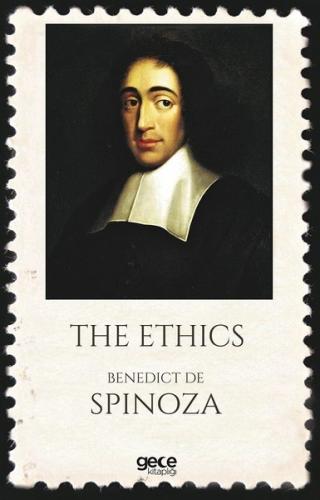
Gece Kitaplığı
If anyone asks me the further question Why are we naturally so prone to divide quantity I answer that quantity is conceived by us in two ways in the abstract and superficially as we imagine it or as substance as we conceive it solely by the intellect If then we regard quantity as it is represented in our imagination which we often and more easily do we shall find that it is finite divisible and compounded of parts but if we regard it as it is represented in our intellect and conceive it as substance which it is very difficult to do we shall then as I have sufficiently proved find that it is infinite one and indivisible This will be plain enough to all who make a distinction between the intellect and the imagination especially if it be remembered that matter is everywhere the same that its parts are not distinguishable except in so far as we conceive matter as diversely modified whence its parts are distinguished not really but modally

The Ethics
Benedictus de Spinoza
Gece Kitaplığı
If anyone asks me the further question Why are we naturally so prone to divide quantity I answer that quantity is conceived by us in two ways in the abstract and superficially as we imagine it or as substance as we conceive it solely by the intellect If then we regard quantity as it is represented in our imagination which we often and more easily do we shall find that it is finite divisible and compounded of parts but if we regard it as it is represented in our intellect and conceive it as substance which it is very difficult to do we shall then as I have sufficiently proved find that it is infinite one and indivisible This will be plain enough to all who make a distinction between the intellect and the imagination especially if it be remembered that matter is everywhere the same that its parts are not distinguishable except in so far as we conceive matter as diversely modified whence its parts are distinguished not really but modally
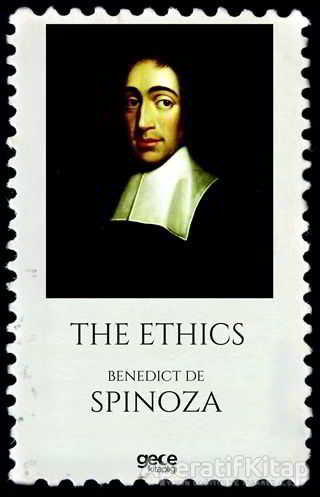
Gece Kitaplığı
Benedictus de Spinoza tarafından kaleme alınan The Ethics Gece Kitaplığı eseri olarak okurlarla buluşuyor The Ethics Benedictus de Spinoza Kitap Özeti If anyone asks me the further question Why are we naturally so prone to divide quantity I answer that quantity is conceived by us in two ways in the abstract and superficially as we imagine it or as substance as we conceive it solely by the intellect If then we regard quantity as it is represented in our imagination which we often and more easily do we shall find that it is finite divisible and compounded of parts but if we regard it as it is represented in our intellect and conceive it as substance which it is very difficult to do we shall then as I have sufficiently proved find that it is infinite one and indivisible This will be plain enough to all who make a distinction between the intellect and the imagination especially if it be remembered that matter is everywhere the same that its parts are not distinguishable except in so far as we conceive matter as diversely modified whence its parts are distinguished not really but modally Yayınevi Gece Kitaplığı Yazar Benedictus de Spinoza Sayfa 266 Sayfa Kağıt 2 Hamur Boyut 13 50x21 00 cm Basım Yılı Ağustos 2017 Barkod 9786051809120 Kategori Diğer Felsefe Kitapları Düşünce
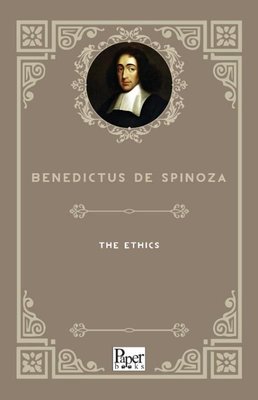
Paper Books
In Ethics Benedictus de Spinoza presents one of the most ambitious and original systems in the history of philosophy Written in a rigorous geometric style this masterpiece seeks nothing less than to explain the nature of reality the human mind and the path to true freedom Spinoza challenges conventional iideas about God arguing that God and Nature are one and the same and that everything follows from this unity with necessity Through this radical vision he redefines human emotions revealing how understanding them can liberate us from passive suffering and lead us toward rational joy Both iintellectually demandiing and profoundly rewardiing Ethics offers a powerful guide to living a life grounded in reason clarity and inner peace Tanıtım Bülteninden
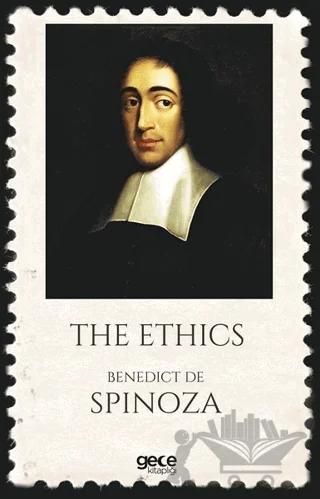
Gece Kitaplığı
If anyone asks me the further question Why are we naturally so prone to divide quantity I answer that quantity is conceived by us in two ways in the abstract and superficially as we imagine it or as substance as we conceive it solely by the intellect If then we regard quantity as it is represented in our imagination which we often and more easily do we shall find that it is finite divisible and compounded of parts but if we regard it as it is represented in our intellect and conceive it as substance which it is very difficult to do we shall then as I have sufficiently proved find that it is infinite one and indivisible This will be plain enough to all who make a distinction between the intellect and the imagination especially if it be remembered that matter is everywhere the same that its parts are not distinguishable except in so far as we conceive matter as diversely modified whence its parts are distinguished not really but modally
Paper Books
In Ethics Benedictus de Spinoza presents one of the most ambitious and original systems in the history of philosophy Written in a rigorous geometric style this masterpiece seeks nothing less than to explain the nature of reality the human mind and the path to true freedom Spinoza challenges conventional iideas about God arguing that God and Nature are one and the same and that everything follows from this unity with necessity Through this radical vision he redefines human emotions revealing how understanding them can liberate us from passive suffering and lead us toward rational joy Both iintellectually demandiing and profoundly rewardiing Ethics offers a powerful guide to living a life grounded in reason clarity and inner peace
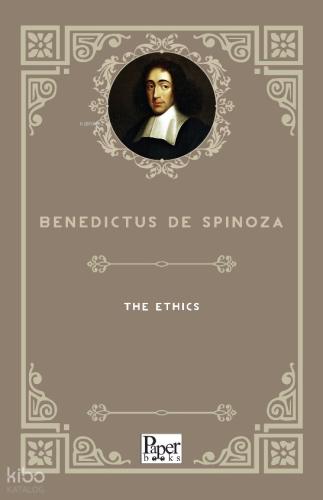
Paper Books
In Ethics Benedictus de Spinoza presents one of the most ambitious and original systems in the history of philosophy Written in a rigorous geometric style this masterpiece seeks nothing less than to explain the nature of reality the human mind and the path to true freedom Spinoza challenges conventional iideas about God arguing that God and Nature are one and the same and that everything follows from this unity with necessity Through this radical vision he redefines human emotions revealing how understanding them can liberate us from passive suffering and lead us toward rational joy Both iintellectually demandiing and profoundly rewardiing Ethics offers a powerful guide to living a life grounded in reason clarity and inner peace

Paper Books
In Ethics Benedictus de Spinoza presents one of the most ambitious and original systems in the history of philosophy Written in a rigorous geometric style this masterpiece seeks nothing less than to explain the nature of reality the human mind and the path to true freedom Spinoza challenges conventional iideas about God arguing that God and Nature are one and the same and that everything follows from this unity with necessity Through this radical vision he redefines human emotions revealing how understanding them can liberate us from passive suffering and lead us toward rational joy Both iintellectually demandiing and profoundly rewardiing Ethics offers a powerful guide to living a life grounded in reason clarity and inner peace
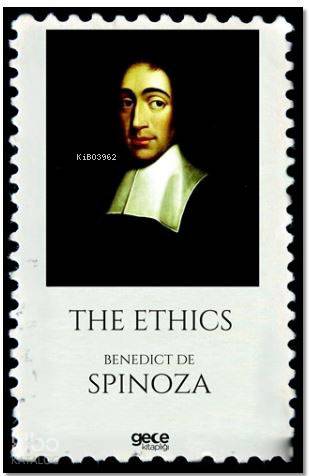
Gece Kitaplığı Yayınları
If anyone asks me the further question Why are we naturally so prone to divide quantity I answer that quantity is conceived by us in two ways in the abstract and superficially as we imagine it or as substance as we conceive it solely by the intellect If then we regard quantity as it is represented in our imagination which we often and more easily do we shall find that it is finite divisible and compounded of parts but if we regard it as it is represented in our intellect and conceive it as substance which it is very difficult to do we shall then as I have sufficiently proved find that it is infinite one and indivisible This will be plain enough to all who make a distinction between the intellect and the imagination especially if it be remembered that matter is everywhere the same that its parts are not distinguishable except in so far as we conceive matter as diversely modified whence its parts are distinguished not really but modally
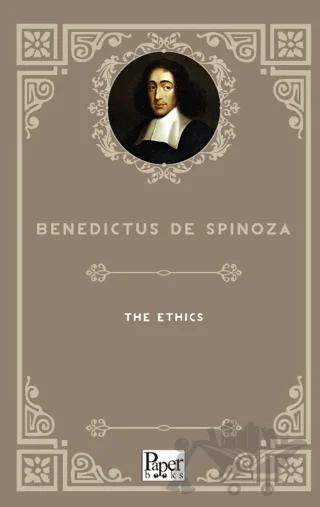
Paper Books
In Ethics Benedictus de Spinoza presents one of the most ambitious and original systems in the history of philosophy Written in a rigorous geometric style this masterpiece seeks nothing less than to explain the nature of reality the human mind and the path to true freedom Spinoza challenges conventional iideas about God arguing that God and Nature are one and the same and that everything follows from this unity with necessity Through this radical vision he redefines human emotions revealing how understanding them can liberate us from passive suffering and lead us toward rational joy Both iintellectually demandiing and profoundly rewardiing Ethics offers a powerful guide to living a life grounded in reason clarity and inner peace