The Golden Bough A Study of Magic and Religion — James George Frazer
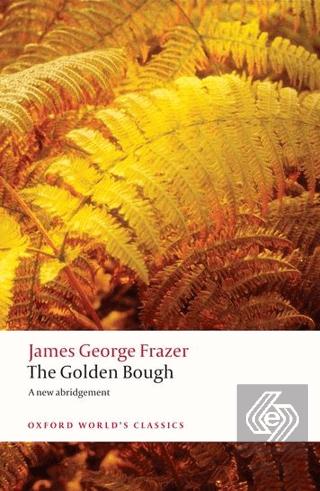
The Golden Bough A Study of Magic and Religion
James George FrazerOxford University Press - Classics
The Golden Bough A Study of Magic and Religion
James George FrazerA classic study of the beliefs and institutions of mankind and the progress through magic and religion to scientific thought The Golden
Gece Kitaplığı
IF we analyse the principles of thought on which magic is based they will probably be found to resolve themselves into two first that like produces like or that an effect resembles its cause and second that things which have once been in contact with each other continue to act on each other at a distance after the physical contact has been severed The former principle may be called the Law of Similarity the latter the Law of Contact or Contagion From the first of these principles namely the Law of Similarity the magician infers that he can produce any effect he desires merely by imitating it from the second he infers that whatever he does to a material object will affect equally the person with whom the object was once in contact whether it formed part of his body or not Charms based on the Law of Similarity may be called Homoeopathic or Imitative Magic Charms based on the Law of Contact or Contagion may be called Contagious Magic To denote the first of these branches of magic the term Homoeopathic is perhaps preferable for the alternative term Imitative or Mimetic suggests if it does not imply a conscious agent who imitates thereby limiting the scope of magic too narrowly For the same principles which the magician applies in the practice of his art are implicitly believed by him to regulate the operations of inanimate nature in other words he tacitly assumes that the Laws of Similarity and Contact are of universal application and are not limited to human actions
Gece Kitaplığı
The Golden Bough A Study of Magic and Religion
Gece Kitaplığı Yayınları
IF we analyse the principles of thought on which magic is based they will probably be found to resolve themselves into two first that like produces like or that an effect resembles its cause and second that things which have once been in contact with each other continue to act on each other at a distance after the physical contact has been severed The former principle may be called the Law of Similarity the latter the Law of Contact or Contagion From the first of these principles namely the Law of Similarity the magician infers that he can produce any effect he desires merely by imitating it from the second he infers that whatever he does to a material object will affect equally the person with whom the object was once in contact whether it formed part of his body or not Charms based on the Law of Similarity may be called Homoeopathic or Imitative Magic Charms based on the Law of Contact or Contagion may be called Contagious Magic To denote the first of these branches of magic the term Homoeopathic is perhaps preferable for the alternative term Imitative or Mimetic suggests if it does not imply a conscious agent who imitates thereby limiting the scope of magic too narrowly For the same principles which the magician applies in the practice of his art are implicitly believed by him to regulate the operations of inanimate nature in other words he tacitly assumes that the Laws of Similarity and Contact are of universal application and are not limited to human actions