The Paleographical Analysis Of The Manichean Script For Middle Iranian And Old Uyghur Texts — Betül Özbay
The Paleographical Analysis Of The Manichean Script For Middle Iranian And Old Uyghur Texts
Betül ÖzbayKriter Yayınları
The Paleographical Analysis Of The Manichean Script For Middle Iranian And Old Uyghur Texts
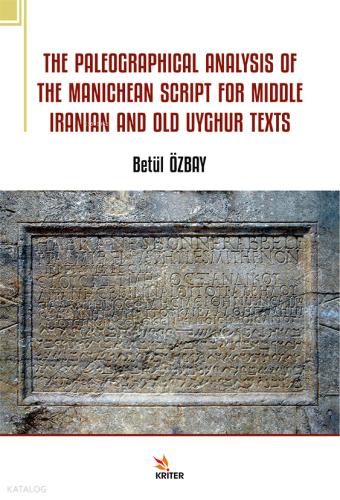
Betül ÖzbayAt the beginning of the 20th century a significant mystery for researchers in fields such as archaeology history linguistics and theology began to unravel with the discovery of Manichean written records in Central Asia and Upper Egypt While Manichean texts were composed in various languages the largest body of religious writings was primarily in Middle Iranian languages Following Bögü Kagan s conversion many of these texts in Central Asia were translated into Old Uyghur predominantly from Middle Iranian sources This study explores the origins of the Manichean script and provides a comparative analysis of its development and paleographic characteristics across Parthian Middle Persian Sogdian and Old Uyghur Additionally evaluations of certain paleographic features in the Manichean script have been incorporated into the study
Kriter Yayınları
Betül Özbay tarafından kaleme alınan The Paleographical Analysis Of The Manichean Script For Middle Iranian And Old Uyghur Texts Kriter Yayınları eseri olarak okurlarla buluşuyor The Paleographical Analysis Of The Manichean Script For Middle Iranian And Old Uyghur Texts Betül Özbay Kitap Özeti At the beginning of the 20th century a significant mystery for researchers in fields such as archaeology history linguistics and theology began to unravel with the discovery of Manichean written records in Central Asia and Upper Egypt While Manichean texts were composed in various languages the largest body of religious writings was primarily in Middle Iranian languages Following Bögü Kagan s conversion many of these texts in Central Asia were translated into Old Uyghur predominantly from Middle Iranian sources This study explores the origins of the Manichean script and provides a comparative analysis of its development and paleographic characteristics across Parthian Middle Persian Sogdian and Old Uyghur Additionally evaluations of certain paleographic features in the Manichean script have been incorporated into the study Yayınevi Kriter Yayınları Yazar Betül Özbay Sayfa 240 Sayfa Kağıt 2 Hamur Boyut 13 50x21 00 cm Basım Yılı Kasım 2024 Barkod 9786256103269 Kategori Dil Bilim
Kriter Yayınları
At the beginning of the 20th century a significant mystery for researchers in fields such as archaeology history linguistics and theology began to unravel with the discovery of Manichean written records in Central Asia and Upper Egypt While Manichean texts were composed in various languages the largest body of religious writings was primarily in Middle Iranian languages Following Bögü Kagan s conversion many of these texts in Central Asia were translated into Old Uyghur predominantly from Middle Iranian sources This study explores the origins of the Manichean script and provides a comparative analysis of its development and paleographic characteristics across Parthian Middle Persian Sogdian and Old Uyghur Additionally evaluations of certain paleographic features in the Manichean script have been incorporated into the study
Kriter Yayınları
At the beginning of the 20th century a significant mystery for researchers in fields such as archaeology history linguistics and theology began to unravel with the discovery of Manichean written records in Central Asia and Upper Egypt While Manichean texts were composed in various languages the largest body of religious writings was primarily in Middle Iranian languages Following Bögü Kagan s conversion many of these texts in Central Asia were translated into Old Uyghur predominantly from Middle Iranian sources This study explores the origins of the Manichean script and provides a comparative analysis of its development and paleographic characteristics across Parthian Middle Persian Sogdian and Old Uyghur Additionally evaluations of certain paleographic features in the Manichean script have been incorporated into the study