The Praise of Folly — Desiderius Erasmus
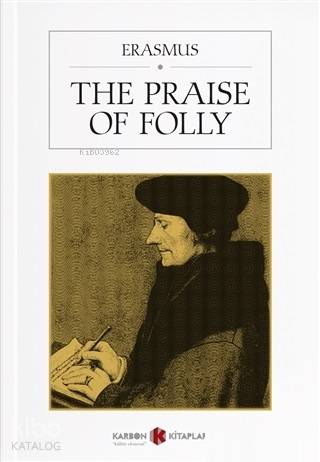
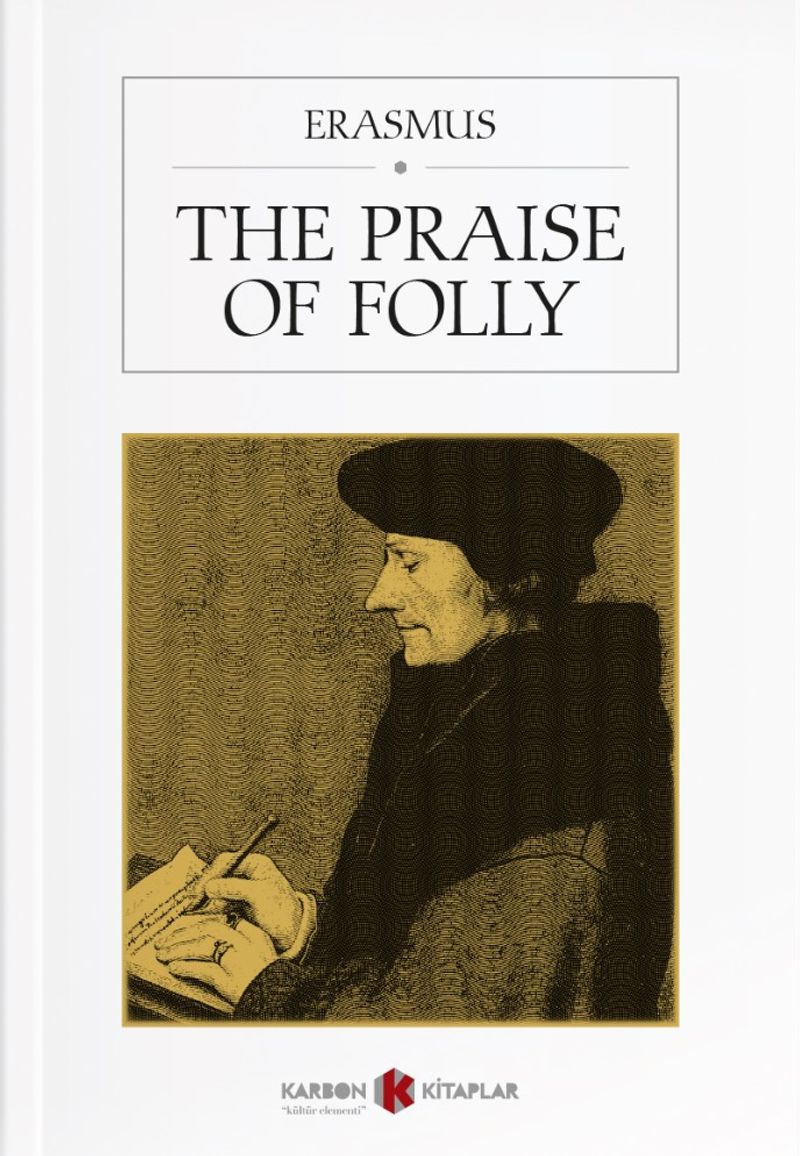
The Praise of Folly
Desiderius ErasmusKarbon Kitaplar
The Praise of Folly
Desiderius ErasmusThe modern world begins in a sense with this book Or at least the modern sense of humorous sceptical inquiry a world in which the claims of dogma are countered by those of wit and good sense You could say that we have regressed somewhat at least in religious terms There isn t a great deal of wit any more in Christianity and as for Islam well I have a feeling that no one s ever called it the laughing religion Praise of Folly should be on every civilised bookshelf The Guardian Nicholas Lezard
Pergamino
In Praise of Folly Greek title Morias Enkomion Latin Stultitiae Laus sometimes translated as In Praise of More Dutch title Lof der Zotheid is an essay written in 1509 by Desiderius Erasmus of Rotterdam and first printed in 1511 The essay was inspired by De Triumpho Stultitiae written by Italian humanist Faustino Perisauli born at Tredozio near Forlì Erasmus revised and extended the work which he originally wrote in the space of a week while sojourning with Sir Thomas More at More s estate in Bucklersbury In Praise of Folly is considered one of the most notable works of the Renaissance and one of the catalysts of the Protestant Reformation It starts off with a satirical learned encomium after the manner of the Greek satirist Lucian whose work Erasmus and Sir Thomas More had recently translated into Latin a piece of virtuoso foolery it then takes a darker tone in a series of orations as Folly praises self deception and madness and moves to a satirical examination of pious but superstitious abuses of Catholic doctrine and corrupt practices in parts of the Roman Catholic Churchto which Erasmus was ever faithfuland the folly of pedants including Erasmus himself Erasmus had recently returned disappointed from Rome where he had turned down offers of advancement in the curia and Folly increasingly takes on Erasmus own chastising voice The essay ends with a straightforward statement of Christian ideals
KARBON KİTAPLAR
The modern world begins in a sense with this book Or at least the modern sense of humorous sceptical inquiry a world in which the claims of dogma are countered by those of wit and good sense You could say that we have regressed somewhat at least in religious terms There isn t a great deal of wit any more in Christianity and as for Islam well I have a feeling that no one s ever called it the laughing religion Praise of Folly should be on every civilised bookshelf The Guardian Nicholas Lezard
Pergamino
In Praise of Folly Greek title Morias Enkomion Latin Stultitiae Laus sometimes translated as In Praise of More Dutch title Lof der Zotheid is an essay written in 1509 by Desiderius Erasmus of Rotterdam and first printed in 1511 The essay was inspired by De Triumpho Stultitiae written by Italian humanist Faustino Perisauli born at Tredozio near Forlì Erasmus revised and extended the work which he originally wrote in the space of a week while sojourning with Sir Thomas More at More s estate in Bucklersbury In Praise of Folly is considered one of the most notable works of the Renaissance and one of the catalysts of the Protestant Reformation It starts off with a satirical learned encomium after the manner of the Greek satirist Lucian whose work Erasmus and Sir Thomas More had recently translated into Latin a piece of virtuoso foolery it then takes a darker tone in a series of orations as Folly praises self deception and madness and moves to a satirical examination of pious but superstitious abuses of Catholic doctrine and corrupt practices in parts of the Roman Catholic Church to which Erasmus was ever faithful and the folly of pedants including Erasmus himself Erasmus had recently returned disappointed from Rome where he had turned down offers of advancement in the curia and Folly increasingly takes on Erasmus own chastising voice The essay ends with a straightforward statement of Christian ideals