The Republic — Platon Eflatun
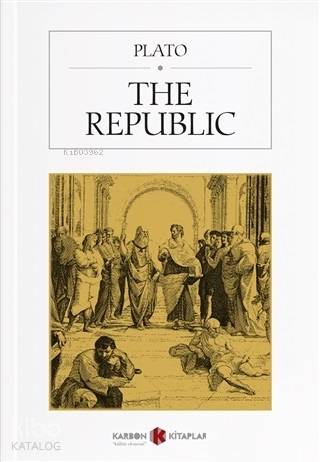
The Republic
Platon EflatunKarbon Kitaplar
The Republic
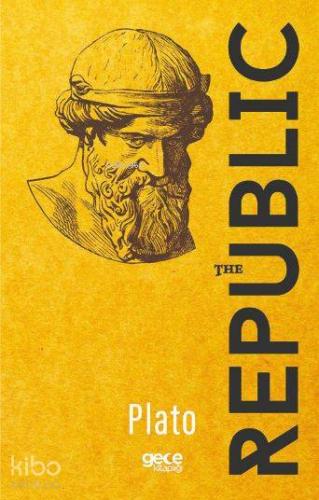
Platon EflatunIs it always better to be just than unjust That is the central question of Plato s Republic discussed here by Melvyn Bragg and guests Writing in c380BC Plato applied this question both to the individual and the city state considering earlier and current forms of government in Athens and potential forms in which the ideal city might be ruled by philosophers The Republic is arguably Plato s best known and greatest work a dialogue between Socrates and his companions featuring the allegory of the cave and ideas about immortality of the soul the value of poetry to society and democracy s vulnerability to a clever demagogue seeking tyranny BBC
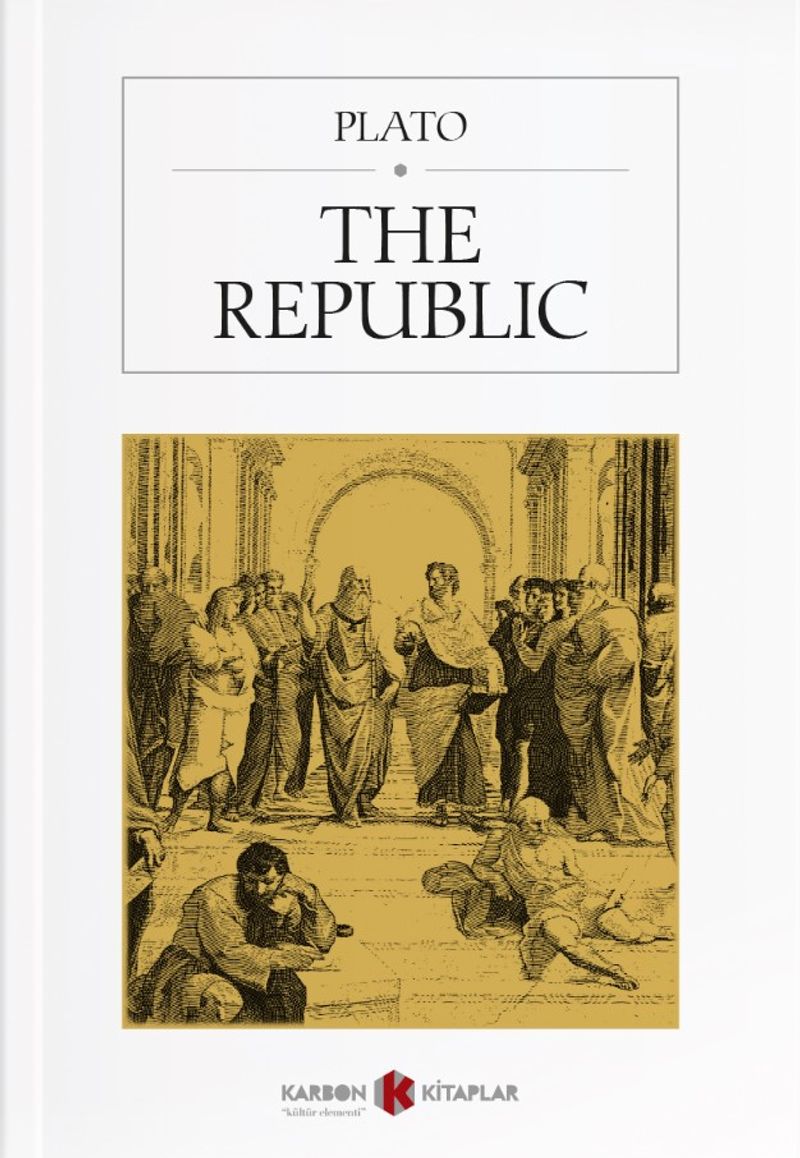
KARBON KİTAPLAR
Is it always better to be just than unjust That is the central question of Plato s Republic discussed here by Melvyn Bragg and guests Writing in c380BC Plato applied this question both to the individual and the city state considering earlier and current forms of government in Athens and potential forms in which the ideal city might be ruled by philosophers The Republic is arguably Plato s best known and greatest work a dialogue between Socrates and his companions featuring the allegory of the cave and ideas about immortality of the soul the value of poetry to society and democracy s vulnerability to a clever demagogue seeking tyranny BBC
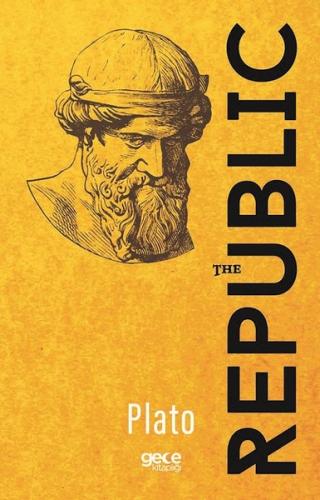
Gece Kitaplığı
Arka Kapak Yazısı Tanıtım Bülteninden Is not the Republic the vehicle of three or four great truths which to Plato s own mind are most naturally represented in the form of the State Just as in the Jewish prophets the reign of Messiah or the day of the Lord or the suffering Servant or people of God or the Sun of righteousness with healing in his wings only convey to us at least their great spiritual ideals so through the Greek State Plato reveals to us his own thoughts about divine perfection which is the idea of good like the sun in the visible world about human perfection which is justice about education beginning in youth and continuing in later years about poets and sophists and tyrants who are the false teachers and evil rulers of mankind about the world which is the embodiment of them about a kingdom which exists nowhere upon earth but is laid up in heaven to be the pattern and rule of human life No such inspired creation is at unity with itself any more than the clouds of heaven when the sun pierces through them Every shade of light and dark of truth and of fiction which is the veil of truth is allowable in a work of philosophical imagination It is not all on the same plane it easily passes from ideas to myths and fancies from facts to figures of speech It is not prose but poetry at least a great part of it and ought not to be judged by the rules of logic or the probabilities of history The writer is not fashioning his ideas into an artistic whole they take possession of him and are too much for him We have no need therefore to discuss whether a State such as Plato has conceived is practicable or not or whether the outward form or the inward life came first into the mind of the writer For the practicability of his ideas has nothing to do with their truth and the highest thoughts to which he attains may be truly said to bear the greatest marks of design justice more than the external frame work of the State the idea of good more than justice The great science of dialectic or the organisation of ideas has no real content but is only a type of the method or spirit in which the higher knowledge is to be pursued by the spectator of all time and all existence It is in the fifth sixth and seventh books that Plato reaches the summit of speculation and these although they fail to satisfy the requirements of a modern thinker may therefore be regarded as the most important as they are also the most original portions of the work It is not necessary to discuss at length a minor question which has been raised by Boeckh respecting the imaginary date at which the conversation was held the year 411 B C which is proposed by him will do as well as any other for a writer of fiction and especially a writer who like Plato is notoriously careless of chronology cp Rep Symp 193 A etc only aims at general probability Whether all the persons mentioned in the Republic could ever have met at any one time is not a difficulty which would have occurred to an Athenian reading the work forty years later or to Plato himself at the time of writing any more than to Shakespeare respecting one of his own dramas and need not greatly trouble us now Yet this may be a question having no answer which is still worth asking because the investigation shows that we cannot argue historically from the dates in Plato it would be useless therefore to waste time in inventing far fetched reconcilements of them in order to avoid chronological difficulties such for example as the conjecture of C F Hermann that Glaucon and Adeimantus are not the brothers but the uncles of Plato cp Apol 34 A or the fancy of Stallbaum that Plato intentionally left anachronisms indicating the dates at which some of his Dialogues were written
Gece Kitaplığı
Arka Kapak Yazısı Tanıtım Bülteninden Is not the Republic the vehicle of three or four great truths which to Plato s own mind are most naturally represented in the form of the State Just as in the Jewish prophets the reign of Messiah or the day of the Lord or the suffering Servant or people of God or the Sun of righteousness with healing in his wings only convey to us at least their great spiritual ideals so through the Greek State Plato reveals to us his own thoughts about divine perfection which is the idea of good like the sun in the visible world about human perfection which is justice about education beginning in youth and continuing in later years about poets and sophists and tyrants who are the false teachers and evil rulers of mankind about the world which is the embodiment of them about a kingdom which exists nowhere upon earth but is laid up in heaven to be the pattern and rule of human life No such inspired creation is at unity with itself any more than the clouds of heaven when the sun pierces through them Every shade of light and dark of truth and of fiction which is the veil of truth is allowable in a work of philosophical imagination It is not all on the same plane it easily passes from ideas to myths and fancies from facts to figures of speech It is not prose but poetry at least a great part of it and ought not to be judged by the rules of logic or the probabilities of history The writer is not fashioning his ideas into an artistic whole they take possession of him and are too much for him We have no need therefore to discuss whether a State such as Plato has conceived is practicable or not or whether the outward form or the inward life came first into the mind of the writer For the practicability of his ideas has nothing to do with their truth and the highest thoughts to which he attains may be truly said to bear the greatest marks of design justice more than the external frame work of the State the idea of good more than justice The great science of dialectic or the organisation of ideas has no real content but is only a type of the method or spirit in which the higher knowledge is to be pursued by the spectator of all time and all existence It is in the fifth sixth and seventh books that Plato reaches the summit of speculation and these although they fail to satisfy the requirements of a modern thinker may therefore be regarded as the most important as they are also the most original portions of the work It is not necessary to discuss at length a minor question which has been raised by Boeckh respecting the imaginary date at which the conversation was held the year 411 B C which is proposed by him will do as well as any other for a writer of fiction and especially a writer who like Plato is notoriously careless of chronology cp Rep Symp 193 A etc only aims at general probability Whether all the persons mentioned in the Republic could ever have met at any one time is not a difficulty which would have occurred to an Athenian reading the work forty years later or to Plato himself at the time of writing any more than to Shakespeare respecting one of his own dramas and need not greatly trouble us now Yet this may be a question having no answer which is still worth asking because the investigation shows that we cannot argue historically from the dates in Plato it would be useless therefore to waste time in inventing far fetched reconcilements of them in order to avoid chronological difficulties such for example as the conjecture of C F Hermann that Glaucon and Adeimantus are not the brothers but the uncles of Plato cp Apol 34 A or the fancy of Stallbaum that Plato intentionally left anachronisms indicating the dates at which some of his Dialogues were written
Gece Kitaplığı Yayınları
Is not the Republic the vehicle of three or four great truths which to Plato s own mind are most naturally represented in the form of the State Just as in the Jewish prophets the reign of Messiah or the day of the Lord or the suffering Servant or people of God or the Sun of righteousness with healing in his wings only convey to us at least their great spiritual ideals so through the Greek State Plato reveals to us his own thoughts about divine perfection which is the idea of good like the sun in the visible world about human perfection which is justice about education beginning in youth and continuing in later years about poets and sophists and tyrants who are the false teachers and evil rulers of mankind about the world which is the embodiment of them about a kingdom which exists nowhere upon earth but is laid up in heaven to be the pattern and rule of human life No such inspired creation is at unity with itself any more than the clouds of heaven when the sun pierces through them Every shade of light and dark of truth and of fiction which is the veil of truth is allowable in a work of philosophical imagination It is not all on the same plane it easily passes from ideas to myths and fancies from facts to figures of speech It is not prose but poetry at least a great part of it and ought not to be judged by the rules of logic or the probabilities of history The writer is not fashioning his ideas into an artistic whole they take possession of him and are too much for him We have no need therefore to discuss whether a State such as Plato has conceived is practicable or not or whether the outward form or the inward life came first into the mind of the writer For the practicability of his ideas has nothing to do with their truth and the highest thoughts to which he attains may be truly said to bear the greatest marks of design justice more than the external frame work of the State the idea of good more than justice The great science of dialectic or the organisation of ideas has no real content but is only a type of the method or spirit in which the higher knowledge is to be pursued by the spectator of all time and all existence It is in the fifth sixth and seventh books that Plato reaches the summit of speculation and these although they fail to satisfy the requirements of a modern thinker may therefore be regarded as the most important as they are also the most original portions of the work It is not necessary to discuss at length a minor question which has been raised by Boeckh respecting the imaginary date at which the conversation was held the year 411 B C which is proposed by him will do as well as any other for a writer of fiction and especially a writer who like Plato is notoriously careless of chronology cp Rep Symp 193 A etc only aims at general probability Whether all the persons mentioned in the Republic could ever have met at any one time is not a difficulty which would have occurred to an Athenian reading the work forty years later or to Plato himself at the time of writing any more than to Shakespeare respecting one of his own dramas and need not greatly trouble us now Yet this may be a question having no answer which is still worth asking because the investigation shows that we cannot argue historically from the dates in Plato it would be useless therefore to waste time in inventing far fetched reconcilements of them in order to avoid chronological difficulties such for example as the conjecture of C F Hermann that Glaucon and Adeimantus are not the brothers but the uncles of Plato cp Apol 34 A or the fancy of Stallbaum that Plato intentionally left anachronisms indicating the dates at which some of his Dialogues were written