The Roman Theater at Nicaea — Ali Kazım Öz Aygün Ekin Meriç
The Roman Theater at Nicaea
Ali Kazım Öz Aygün Ekin MeriçHomer Kitabevi
The Roman Theater at Nicaea
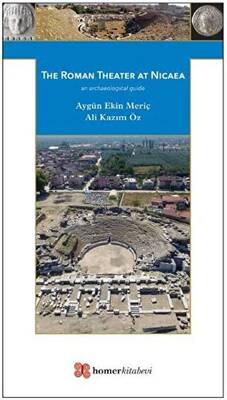
Ali Kazım Öz Aygün Ekin MeriçThe city of Nicaea was located near a large lake and fertile plain which was the main reason of city s importance through the ages Notable for its climate and geographical features it was a socio political and economic centre of the Bithynia It has always been one of the most important cities in the region during the Hellenistic Roman Byzantine Seljuks and Ottoman periods Although the Roman Theatre is the most striking structure of the city other architectural remains such as tombs bridges aqueducts city walls and gates are still standing The Roman theatre at Nicaea is located in the southwestern part of the city close to the citywalls and Lake Iznik Ascania Limme One of the most impressive archeological buildings in Anatolia the theatre has been a frequent destination for western travellers for many years The first scientific studies on the theatre were conducted in 1938 by A M Schneider in order to have a better idea of the substructures The excavations revealed that the theatre was built on a Hellenistic stratum Although it ceased to function as a theatre in the Late Roman Period 4th cent AD it was used for different purposes in the Byzantine and Ottoman periods
Homer Kitabevi
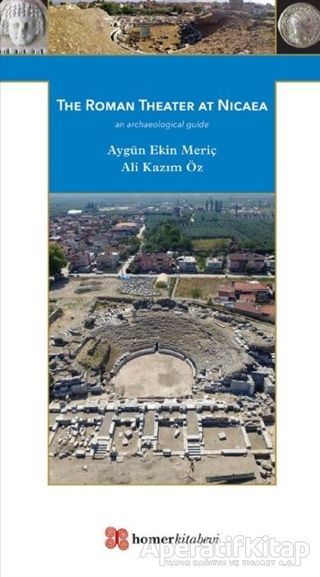
The city of Nicaea was located near a large lake and fertile plain which was the main reason of city s importance through the ages Notable for its climate and geographical features it was a socio political and economic centre of the Bithynia It has always been one of the most important cities in the region during the Hellenistic Roman Byzantine Seljuks and Ottoman periods Although the Roman Theatre is the most striking structure of the city other architectural remains such as tombs bridges aqueducts city walls and gates are still standing The Roman theatre at Nicaea is located in the southwestern part of the city close to the city walls and Lake Iznik Ascania Limme One of the most impressive archeological buildings in Anatolia the theatre has been a frequent destination for western travellers for many years The first scientific studies on the theatre were conducted in 1938 by A M Schneider in order to have a better idea of the substructures The excavations revealed that the theatre was built on a Hellenistic stratum Although it ceased to function as a theatre in the Late Roman Period 4th cent AD it was used for different purposes in the Byzantine and Ottoman periods Yayınevi Homer Kitabevi Yazar Ali Kazım Öz Sayfa 132 Sayfa Kağıt 2 Hamur Boyut 12 00x21 50 cm Basım Yılı Haziran 2021 Barkod 9789944483889 Kategori Yabancı Dilde Kitaplar Referans Kitaplar
Homer Kitabevi
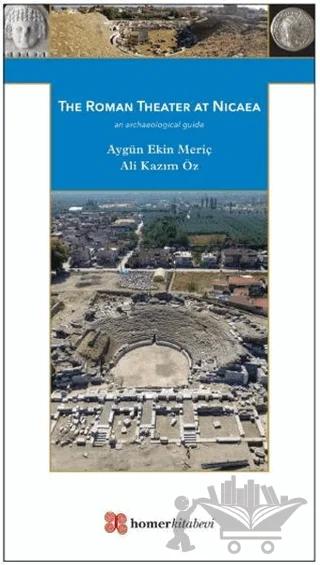
The city of Nicaea was located near a large lake and fertile plain which was the main reason of city s importance through the ages Notable for its climate and geographical features it was a socio political and economic centre of the Bithynia It has always been one of the most important cities in the region during the Hellenistic Roman Byzantine Seljuks and Ottoman periods Although the Roman Theatre is the most striking structure of the city other architectural remains such as tombs bridges aqueducts city walls and gates are still standing The Roman theatre at Nicaea is located in the southwestern part of the city close to the citywalls and Lake Iznik Ascania Limme One of the most impressive archeological buildings in Anatolia the theatre has been a frequent destination for western travellers for many years The first scientific studies on the theatre were conducted in 1938 by A M Schneider in order to have a better idea of the substructures The excavations revealed that the theatre was built on a Hellenistic stratum Although it ceased to function as a theatre in the Late Roman Period 4th cent AD it was used for different purposes in the Byzantine and Ottoman periods
Homer Kitabevi ve Yayıncılık
The Roman Theater at Nicaea Kısa Özet The city of Nicaea was located near a large lake and fertile plain which was the main reason of city s importance through the ages Notable for its climate and geographical features it was a socio political and economic centre of the Bithynia It has always been one of the most important cities in the region during the Hellenistic Roman Byzantine Seljuks and Ottoman periods Although the Roman Theatre is the most striking structure of the city other architectural remains such as tombs bridges aqueducts city walls and gates are still standing The Roman theatre at Nicaea is located in the southwestern part of the city close to the city walls and Lake Iznik Ascania Limme One of the most impressive archeological buildings in Anatolia the theatre has been a frequent destination for western travellers for many years The first scientific studies on the theatre were conducted in 1938 by A M Schneider in order to have a better idea of the substructures The excavations revealed that the theatre was built on a Hellenistic stratum Although it ceased to function as a theatre in the Late Roman Period 4th cent AD it was used for different purposes in the Byzantine and Ottoman periods