The Turkish Hayat House — Doğan Kuban
The Turkish Hayat House
Doğan KubanEren Yayıncılık
The Turkish Hayat House
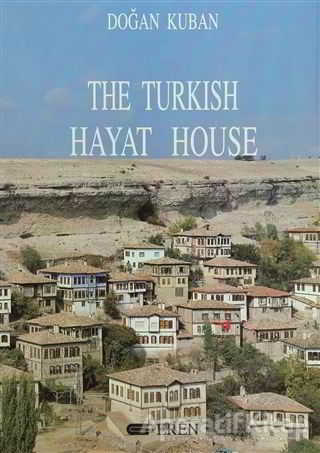
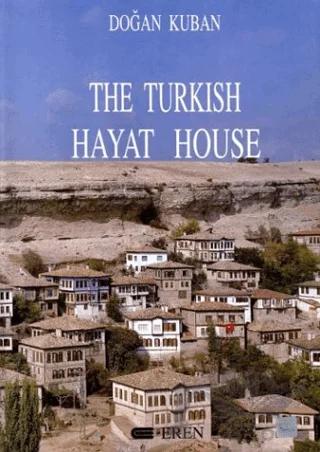
Doğan KubanDoğan Kuban tarafından kaleme alınan The Turkish Hayat House Eren Yayıncılık eseri olarak okurlarla buluşuyor The Turkish Hayat House Doğan Kuban Kitap Özeti The Turkish House is both a picturesque image and a historical fact Since the sixteenth century descriptions of travelers and the engravings and paintings of western artists depicting Ottoman lands introduced to the world images of a different urban tradition and the existence of a different dwelling concept Europeans regarded the physiognomy of the Ottoman capital Istanbul and other great cities of the Empire such as Edirne Bursa Izmir Konya Amasya and lesser towns from the Balkans to Iran and Mesopotamia with a mixed feeling of wonder and disdain The Turkish urbanscape the khans and caravansaries covered bazaars Turkish baths the wooden houses with their lattice screenned windows and bold overhaning projections aligned along the narrow and tortuous streets well lit and lavishly decorated rooms in which dignified men in magnificent robes sat in characteristic postures on low divans women of the harem looking over the streets from behind wooden screens all these idiosyncratic images of a preindustrial society idealized romanticized and distorted by narrators and artists excited the imagination of the western public about the nonchalant life of the Turks and the so called Orient Yayınevi Eren Yayıncılık Yazar Doğan Kuban Sayfa 279 Sayfa Kağıt 1 Hamur Ciltli Boyut 23 50x33 50 cm Basım Yılı 1995 Barkod 9789757622147 Kategori Grafik Sanatlar Mimarlık Osmanlı Tarihi Türkiye ve Cumhuriyet Tarihi Yakın Tarih
Eren Yayıncılık ve Kitapçılık
The Turkish House is both a picturesque image and a historical fact Since the sixteenth century descriptions of travelers and the engravings and paintings of western artists depicting Ottoman lands introduced to the world images of a different urban tradition and the existence of a different dwelling concept Europeans regarded the physiognomy of the Ottoman capital Istanbul and other great cities of the Empire such as Edirne Bursa Izmir Konya Amasya and lesser towns from the Balkans to Iran and Mesopotamia with a mixed feeling of wonder and disdain The Turkish urbanscape the khans and caravansaries covered bazaars Turkish baths the wooden houses with their lattice screenned windows and bold overhaning projections aligned along the narrow and tortuous streets well lit and lavishly decorated rooms in which dignified men in magnificent robes sat in characteristic postures on low divans women of the harem looking over the streets from behind wooden screens all these idiosyncratic images of a preindustrial society idealized romanticized and distorted by narrators and artists excited the imagination of the western public about the nonchalant life of the Turks and the so called Orient Arka Kapak
Eren Yayıncılık
The Turkish House is both a picturesque image and a historical fact Since the sixteenth century descriptions of travelers and the engravings and paintings of western artists depicting Ottoman lands introduced to the world images of a different urban tradition and the existence of a different dwelling concept Europeans regarded the physiognomy of the Ottoman capital Istanbul and other great cities of the Empire such as Edirne Bursa Izmir Konya Amasya and lesser towns from the Balkans to Iran and Mesopotamia with a mixed feeling of wonder and disdain The Turkish urbanscape the khans and caravansaries covered bazaars Turkish baths the wooden houses with their lattice screenned windows and bold overhaning projections aligned along the narrow and tortuous streets well lit and lavishly decorated rooms in which dignified men in magnificent robes sat in characteristic postures on low divans women of the harem looking over the streets from behind wooden screens all these idiosyncratic images of a preindustrial society idealized romanticized and distorted by narrators and artists excited the imagination of the western public about the nonchalant life of the Turks and the so called Orient
Eren Yayıncılık
The Turkish House is both a picturesque image and a historical fact Since the sixteenth century descriptions of travelers and the engravings and paintings of western artists depicting Ottoman lands introduced to the world images of a different urban tradition and the existence of a different dwelling concept Europeans regarded the physiognomy of the Ottoman capital Istanbul and other great cities of the Empire such as Edirne Bursa Izmir Konya Amasya and lesser towns from the Balkans to Iran and Mesopotamia with a mixed feeling of wonder and disdain The Turkish urbanscape the khans and caravansaries covered bazaars Turkish baths the wooden houses with their lattice screenned windows and bold overhaning projections aligned along the narrow and tortuous streets well lit and lavishly decorated rooms in which dignified men in magnificent robes sat in characteristic postures on low divans women of the harem looking over the streets from behind wooden screens all these idiosyncratic images of a preindustrial society idealized romanticized and distorted by narrators and artists excited the imagination of the western public about the nonchalant life of the Turks and the so called Orient
Eren Yayıncılık
The Turkish House is both a picturesque image and a historical fact Since the sixteenth century descriptions of travelers and the engravings and paintings of western artists depicting Ottoman lands introduced to the world images of a different urban tradition and the existence of a different dwelling concept Europeans regarded the physiognomy of the Ottoman capital Istanbul and other great cities of the Empire such as Edirne Bursa Izmir Konya Amasya and lesser towns from the Balkans to Iran and Mesopotamia with a mixed feeling of wonder and disdain The Turkish urbanscape the khans and caravansaries covered bazaars Turkish baths the wooden houses with their lattice screenned windows and bold overhaning projections aligned along the narrow and tortuous streets well lit and lavishly decorated rooms in which dignified men in magnificent robes sat in characteristic postures on low divans women of the harem looking over the streets from behind wooden screens all these idiosyncratic images of a preindustrial society idealized romanticized and distorted by narrators and artists excited the imagination of the western public about the nonchalant life of the Turks and the so called Orient
Eren Yayıncılık
The Turkish House is both a picturesque image and a historical fact Since the sixteenth century descriptions of travelers and the engravings and paintings of western artists depicting Ottoman lands introduced to the world images of a different urban tradition and the existence of a different dwelling concept Europeans regarded the physiognomy of the Ottoman capital Istanbul and other great cities of the Empire such as Edirne Bursa Izmir Konya Amasya and lesser towns from the Balkans to Iran and Mesopotamia with a mixed feeling of wonder and disdain The Turkish urbanscape the khans and caravansaries covered bazaars Turkish baths the wooden houses with their lattice screenned windows and bold overhaning projections aligned along the narrow and tortuous streets well lit and lavishly decorated rooms in which dignified men in magnificent robes sat in characteristic postures on low divans women of the harem looking over the streets from behind wooden screens all these idiosyncratic images of a preindustrial society idealized romanticized and distorted by narrators and artists excited the imagination of the western public about the nonchalant life of the Turks and the so called Orient