The Well of Loneliness — Radclyffe Hall
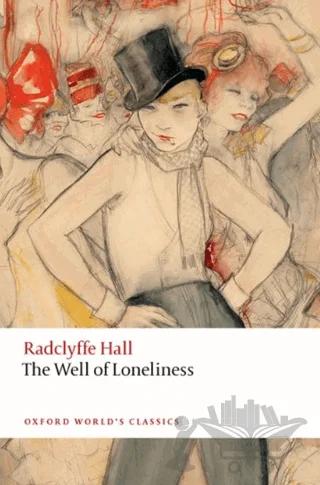
The Well of Loneliness
Radclyffe HallOxford University Press - Classics
The Well of Loneliness
Radclyffe HallThe Well of Loneliness is among the most famous banned books in history A pioneering work of literature Radclyffe Hall s novel charts the development of a female sexual invert Stephen Gordon who from childhood feels an innate sense of masculinity and desire for women After relocating from Malvern to London and then to Paris Stephen encounters fellow queer characters from all walks of life from the sapphic salon hostess Valérie Seymour to the miserable army of outcasts that frequents the merciless drug dealing death dealing bars of Montmartre Although Stephen and her acquaintances allies and antagonists are of their time Hall s novel has offered support and solidarity to generations of LGBTQ readers and it continues to shape debates about gender and sexuality today This edition highlights previously overlooked points of influence inspiration and connections with other texts as well as situating the novel in historical contexts In addition the editors provide vital insights into Hall s engagement with religion sexology literary history and popular culture
Oxford University Press - Classics
The Well of Loneliness is among the most famous banned books in history A pioneering work of literature Radclyffe Hall s novel charts the development of a female sexual invert Stephen Gordon who from childhood feels an innate sense of masculinity and desire for women After relocating from Malvern to London and then to Paris Stephen encounters fellow queer characters from all walks of life from the sapphic salon hostess Valérie Seymour to the miserable army of outcasts that frequents the merciless drug dealing death dealing bars of Montmartre Although Stephen and her acquaintances allies and antagonists are of their time Hall s novel has offered support and solidarity to generations of LGBTQ readers and it continues to shape debates about gender and sexuality today This edition highlights previously overlooked points of influence inspiration and connections with other texts as well as situating the novel in historical contexts In addition the editors provide vital insights into Hall s engagement with religion sexology literary history and popular culture