Treaty Interpretation by the IACtHR and the ECtHR — Berkant Akkuş
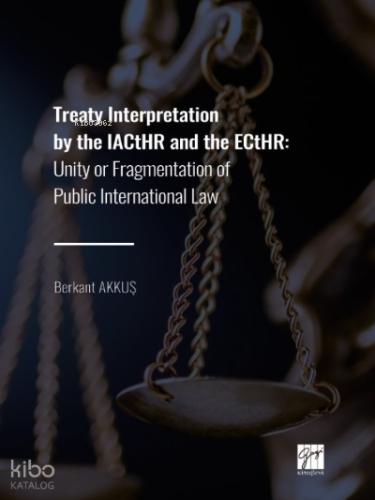
Treaty Interpretation by the IACtHR and the ECtHR
Berkant AkkuşGazi Kitabevi
Gazi Kitabevi
İçindekiler CHAPTER 1 1 1 Theoretical Aspects of Article 31 3 c 1 2 Article 31 3 c Intention Interpretation and Scope 1 3 The Temporal Element 1 4 The Parties CHAPTER 2 Section 1 References to Article 31 3 c in the Case Law of the European Court of Human Rights 2 1 1 Golder v The United Kingdom 2 1 2 Bankovic et al v Belgium and 16 other States 2 1 3 The State Immunity Cases 2 1 4 Mamatkulov and Askarov v Turkey 2 1 5 Bosphorus Hava Yolları Turizm ve Ticaret Anonim Şirketi v Ireland 2 1 6 Behrami and Behrami v France 2 1 7 Demir and Baykara v Turkey 2 1 8 Rantsev v Cyprus and Russia 2 1 9 Nada v Switzerland 2 1 9 A International System European Subsystem v Broader International System 2 1 9 B Systemic Integration in a Pluralistic Context Static v Dynamic Integration 2 1 9 C Review of the Acts of the UNSC and the Hierarchy of Rules 2 1 10 The Child Abduction Cases Section 2 The ECtHR and the Interpretive Method of External Referencing 2 2 1 Special Characteristics of Human Rights Treaties and the Vienna Rules of Interpretation 2 2 2 ECHR s Application of Article 31 3 c 2 2 3 Special or Pointless 2 2 4 Inconsistent Referencing 2 2 5 The Spectrum of Relevant Rules 2 2 6 Evolutive Interpretation 2 2 7 The Functions of Article 31 3 c 2 2 8 Conclusion Section 3 References to Article 31 3 c in the Case Law of the Inter American Court of Human Rights 2 3 1 The Street Children Villagrán Morales et al v Guatemala 2 3 1 A The UN Convention on the Rights of the Child the duty to prevent juvenile crimes and the duty to rehabilitate 2 3 2 The Gomez Paquiyauri Brothers vs Peru 2 3 3 Children s rights 2 3 4 Serrano Cruz Sisters v El Salvador 2 3 5 Ituango Massacres v Colombia 2 3 6 Indigenous Peoples Right to Ancestral Lands 2 3 6 A Indigenous Peoples Land Rights The Question Of Consultation v Consent 2 3 6 B Systemic Interpretation of Article 21 of the Convention Section 4 The IACtHR and the Interpretive Method of External Referencing 2 4 1 The IACtHR and the Interpretive Method of External Referencing 2 4 2 Interpreting The ACHR Specific Rules on Treaty Interpretation 2 4 3 Evolutive Interpretation 2 4 4 The Use of External Sources as Interpretive Tools 2 4 5 Soft Law 2 4 6 Non Ratified Treaties 2 4 7 Convergence with International Humanitarian Law 2 4 8 Legitimacy of Cross Referencing 2 4 9 Use of Non Binding External Instruments 2 4 10 Universalism v Consensus 2 4 11 Conclusion CHAPTER 3 3 1 The MFP Clause in Human Rights Treaties 3 2 The MFP Clause in Theory 3 3 The Function of the Clause 3 4 The MFP Clause in Practice 3 5 A New Way to Apply to Clause 3 6 Conclusion
Gazi Kitabevi
İçindekiler CHAPTER 11 1 Theoretical Aspects of Article 31 3 c 1 2 Article 31 3 c Intention Interpretation and Scope1 3 The Temporal Element1 4 The Parties CHAPTER 2Section 1 References to Article 31 3 c in the Case Law of the European Court of Human Rights2 1 1 Golder v The United Kingdom2 1 2 Banković et al v Belgium and 16 other States2 1 3 The State Immunity Cases2 1 4 Mamatkulov and Askarov v Turkey2 1 5 Bosphorus Hava Yolları Turizm ve Ticaret Anonim Şirketi v Ireland2 1 6 Behrami and Behrami v France2 1 7 Demir and Baykara v Turkey2 1 8 Rantsev v Cyprus and Russia2 1 9 Nada v Switzerland2 1 9 A International System European Subsystem v Broader International System2 1 9 B Systemic Integration in a Pluralistic Context Static v Dynamic Integration2 1 9 C Review of the Acts of the UNSC and the Hierarchy of Rules2 1 10 The Child Abduction CasesSection 2 The ECtHR and the Interpretive Method of External Referencing 2 2 1 Special Characteristics of Human Rights Treaties and the Vienna Rules of Interpretation 2 2 2 ECHR s Application of Article 31 3 c 2 2 3 Special or Pointless 2 2 4 Inconsistent Referencing 2 2 5 The Spectrum of Relevant Rules 2 2 6 Evolutive Interpretation 2 2 7 The Functions of Article 31 3 c 2 2 8 Conclusion Section 3 References to Article 31 3 c in the Case Law of the Inter American Court of Human Rights 2 3 1 The Street Children Villagrán Morales et al v Guatemala 2 3 1 A The UN Convention on the Rights of the Child the duty to prevent juvenile crimes and the duty to rehabilitate 2 3 2 The Gomez Paquiyauri Brothers vs Peru 2 3 3 Children s rights 2 3 4 Serrano Cruz Sisters v El Salvador 2 3 5 Ituango Massacres v Colombia 2 3 6 Indigenous Peoples Right to Ancestral Lands 2 3 6 A Indigenous Peoples Land Rights The Question Of Consultation v Consent 2 3 6 B Systemic Interpretation of Article 21 of the Convention Section 4 The IACtHR and the Interpretive Method of External Referencing 2 4 1 The IACtHR and the Interpretive Method of External Referencing 2 4 2 Interpreting The ACHR Specific Rules on Treaty Interpretation 2 4 3 Evolutive Interpretation 2 4 4 The Use of External Sources as Interpretive Tools 2 4 5 Soft Law 2 4 6 Non Ratified Treaties 2 4 7 Convergence with International Humanitarian Law 2 4 8 Legitimacy of Cross Referencing 2 4 9 Use of Non Binding External Instruments 2 4 10 Universalism v Consensus 2 4 11 Conclusion CHAPTER 3 3 1 The MFP Clause in Human Rights Treaties 3 2 The MFP Clause in Theory 3 3 The Function of the Clause 3 4 The MFP Clause in Practice 3 5 A New Way to Apply to Clause 3 6 Conclusion
Gazi Kitabevi
İçindekiler CHAPTER 11 1 Theoretical Aspects of Article 31 3 c 1 2 Article 31 3 c Intention Interpretation and Scope1 3 The Temporal Element1 4 The Parties CHAPTER 2Section 1 References to Article 31 3 c in the Case Law of the European Court of Human Rights2 1 1 Golder v The United Kingdom2 1 2 Banković et al v Belgium and 16 other States2 1 3 The State Immunity Cases2 1 4 Mamatkulov and Askarov v Turkey2 1 5 Bosphorus Hava Yolları Turizm ve Ticaret Anonim Şirketi v Ireland2 1 6 Behrami and Behrami v France2 1 7 Demir and Baykara v Turkey2 1 8 Rantsev v Cyprus and Russia2 1 9 Nada v Switzerland2 1 9 A International System European Subsystem v Broader International System2 1 9 B Systemic Integration in a Pluralistic Context Static v Dynamic Integration2 1 9 C Review of the Acts of the UNSC and the Hierarchy of Rules2 1 10 The Child Abduction CasesSection 2 The ECtHR and the Interpretive Method of External Referencing 2 2 1 Special Characteristics of Human Rights Treaties and the Vienna Rules of Interpretation 2 2 2 ECHR s Application of Article 31 3 c 2 2 3 Special or Pointless 2 2 4 Inconsistent Referencing 2 2 5 The Spectrum of Relevant Rules 2 2 6 Evolutive Interpretation 2 2 7 The Functions of Article 31 3 c 2 2 8 Conclusion Section 3 References to Article 31 3 c in the Case Law of the Inter American Court of Human Rights 2 3 1 The Street Children Villagrán Morales et al v Guatemala 2 3 1 A The UN Convention on the Rights of the Child the duty to prevent juvenile crimes and the duty to rehabilitate 2 3 2 The Gomez Paquiyauri Brothers vs Peru 2 3 3 Children s rights 2 3 4 Serrano Cruz Sisters v El Salvador 2 3 5 Ituango Massacres v Colombia 2 3 6 Indigenous Peoples Right to Ancestral Lands 2 3 6 A Indigenous Peoples Land Rights The Question Of Consultation v Consent 2 3 6 B Systemic Interpretation of Article 21 of the Convention Section 4 The IACtHR and the Interpretive Method of External Ref