Twilight Of The Idols — Friedrich Nietzsche
Twilight Of The Idols
Friedrich NietzscheOxford University Press - Classics
Twilight Of The Idols
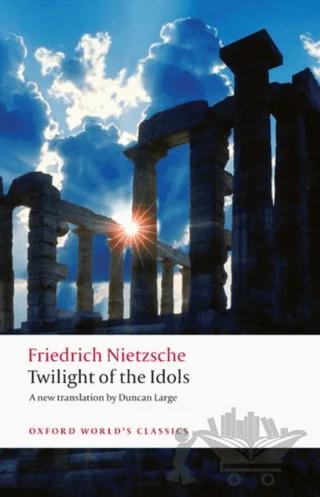
Friedrich NietzscheAnyone who wants to gain a quick idea of how before me everything was topsy turvy should make a start with this work That which is called idol on the title page is quite simply that which was called truth hitherto Twilight of the Idols in plain words the old truth is coming to an end Nietzsche intended Twilight of the Idols to serve as a short introduction to his philosophy and as a result it is the most synoptic of all his books Continuing in the spirit of its immediate predecessors On The Genealogy of Morals and The Wagner Case it is a masterpiece of polemic targeting not only eternal idols like Socratic rationality and Christian morality but also their contemporary counterparts as Nietzsche the untimely man goes roaming in the gloaming of nineteenth century European culture He allies philosophy with psychology and physiology relentlessly diagnozing the symptoms of decadence and his stylistic virtuosity is such that the sheer delight he takes in his demonic mischief making communicates itself on every page A brilliant new translation this edition provides detailed commentary on a highly condensed and allusive work
Oxford University Press - Classics
Anyone who wants to gain a quick idea of how before me everything was topsy turvy should make a start with this work That which is called idol on the title page is quite simply that which was called truth hitherto Twilight of the Idols in plain words the old truth is coming to an end Nietzsche intended Twilight of the Idols to serve as a short introduction to his philosophy and as a result it is the most synoptic of all his books Continuing in the spirit of its immediate predecessors On The Genealogy of Morals and The Wagner Case it is a masterpiece of polemic targeting not only eternal idols like Socratic rationality and Christian morality but also their contemporary counterparts as Nietzsche the untimely man goes roaming in the gloaming of nineteenth century European culture He allies philosophy with psychology and physiology relentlessly diagnozing the symptoms of decadence and his stylistic virtuosity is such that the sheer delight he takes in his demonic mischief making communicates itself on every page A brilliant new translation this edition provides detailed commentary on a highly condensed and allusive work
Oxford University Press - Classics
Anyone who wants to gain a quick idea of how before me everything was topsy turvy should make a start with this work That which is called idol on the title page is quite simply that which was called truth hitherto Twilight of the Idols in plain words the old truth is coming to an end Nietzsche intended Twilight of the Idols to serve as a short introduction to his philosophy and as a result it is the most synoptic of all his books Continuing in the spirit of its immediate predecessors On The Genealogy of Morals and The Wagner Case it is a masterpiece of polemic targeting not only eternal idols like Socratic rationality and Christian morality but also their contemporary counterparts as Nietzsche the untimely man goes roaming in the gloaming of nineteenth century European culture He allies philosophy with psychology and physiology relentlessly diagnozing the symptoms of decadence and his stylistic virtuosity is such that the sheer delight he takes in his demonic mischief making communicates itself on every page A brilliant new translation this edition provides detailed commentary on a highly condensed and allusive work
WORDSWORTH CLASSICS
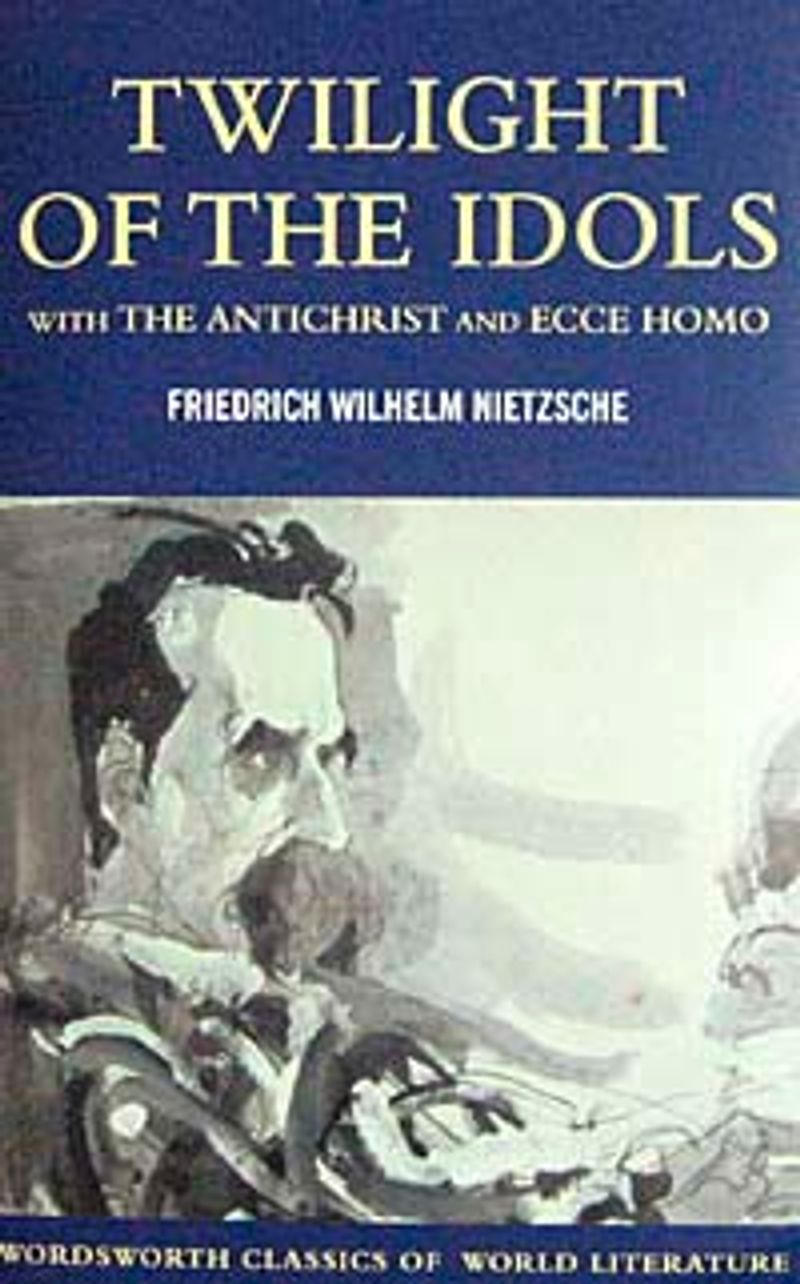
The three works in this collection all dating from Nietzsche s last lucid months show him at his most stimulating and controversial the portentous utterances of the prophet together with the ill defined figure of the Übermensch are forsaken as wit exuberance and dazzling insights predominate forcing the reader to face unpalatable insights and to rethink every commonly accepted truth Thinking with Nietzsche in Jaspers words means holding one s own against him and we are indeed refreshed and challenged by the vortex of his thoughts by concepts which test and probe In The Twilight of the Idols The Antichrist and Ecce Homo Nietzsche writes at breakneck speed of his provenance his adversaries and his hopes for mankind the books are largely epigrammatic and aphoristic allowing this poet philosopher to bewilder and fascinate us with their strangeness and their daring He who fights with monsters Nietzsche once told us should look to it that he himself does not become one and when you gaze long into an abyss the abyss also gazes into you Reader beware